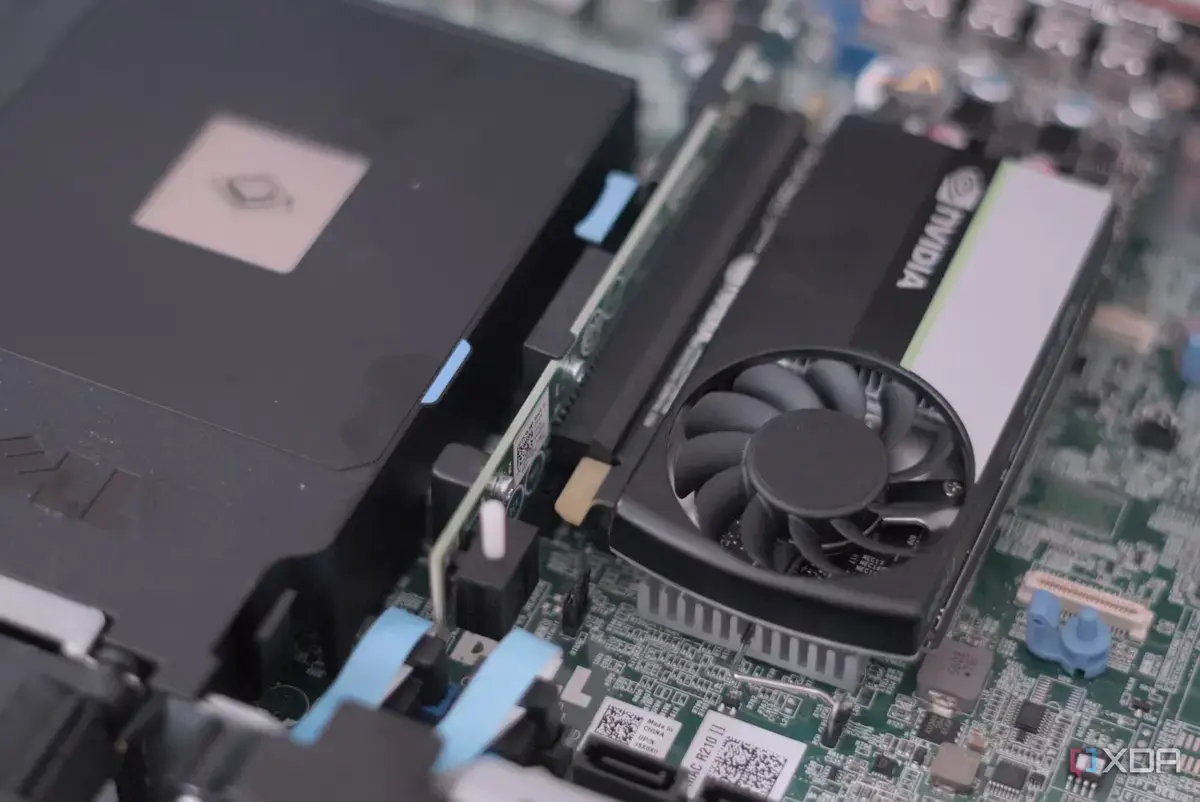
The Unexpected Power Drain of Server Components
A recent personal project revealed the surprisingly high operating costs of using enterprise-grade components for a home network-attached storage (NAS) system. The builder, a PC hardware expert, discovered that his custom-built server consumed about $1 worth of electricity daily. This unexpected expense highlights a key consideration for anyone planning a similar setup.
Breaking news
 Canonical’s Web Presence Hit by Second DDoS Assault This Year
 Loops AI Secures $3.5 Million to Power a New AI Operating System for E‑Commerce
 Winverse AI Secures Tens of Millions in Seed Funding from DeepSeek and Long‑Z
 Google Adds Pixel 9 Series to Certified Refurbished Store
The project involved assembling a NAS using powerful, albeit older, server-class parts. While these components offered robust performance and reliability, their design prioritized uptime and processing power over energy efficiency. This trade-off became evident in the daily utility bills.
Is Enterprise Hardware Worth It for Home Use?
The core issue stemmed from the components' power consumption. Enterprise hardware, even when repurposed, is engineered for demanding data center environments. These systems often feature multiple processors, ample RAM, and redundant power supplies, all contributing to a significant electrical load. For a home user, this translates directly into higher electricity costs, even when the system isn't under heavy load.
For most home users, the answer is likely no. While the allure of powerful, reliable server components is strong, the daily operating cost can quickly negate any initial savings or performance benefits. Consumer-grade NAS solutions or custom builds using more efficient desktop components offer a better balance of performance, cost, and energy efficiency. The project served as a practical lesson in the importance of considering long-term operational expenses alongside initial hardware costs.
What is a NAS? A NAS, or Network-Attached Storage, is a dedicated file storage device connected to a network. It allows multiple users and devices to access and share data from a central location.
Frequently Asked Questions
Why is enterprise hardware expensive to run? Enterprise hardware is designed for continuous operation and high performance, often featuring powerful processors and redundant systems. These components consume more electricity than typical consumer-grade parts, leading to higher utility bills.
What are the alternatives for a home NAS? Alternatives include buying pre-built consumer NAS devices from brands like Synology or QNAP, or building a custom NAS using energy-efficient desktop computer components. These options generally offer a better balance of cost and performance for home use.