Breaking US Chip Dominance
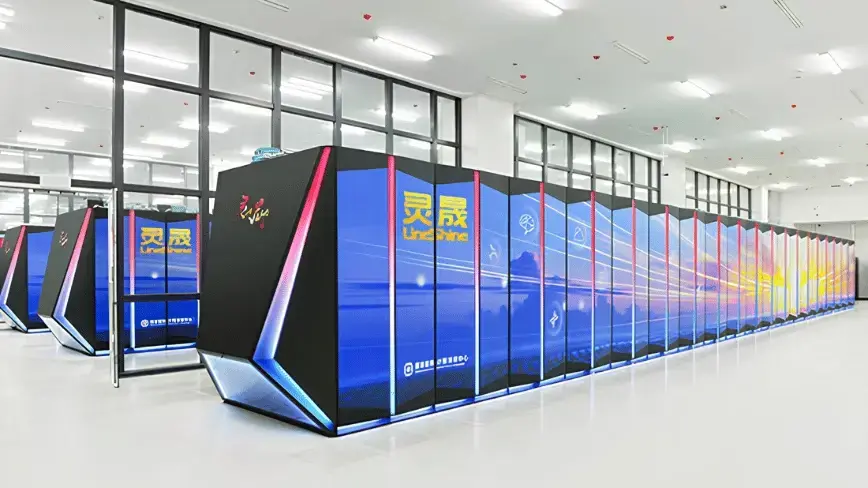
A supercomputer in Shenzhen has topped the world rankings for the first time since 2017. The machine, called OceanLight, achieved this feat on Tuesday. It is housed at the National Supercomputing Center in Shenzhen.
Breaking news
 Canonical’s Web Presence Hit by Second DDoS Assault This Year
 Loops AI Secures $3.5 Million to Power a New AI Operating System for E‑Commerce
 Winverse AI Secures Tens of Millions in Seed Funding from DeepSeek and Long‑Z
 Google Adds Pixel 9 Series to Certified Refurbished Store
The supercomputer's achievement is significant not just for its speed but also for its hardware. OceanLight runs without a single chip from Nvidia, AMD, or Intel.
OceanLight's success is a result of China's advancements in indigenous chip technology. The supercomputer uses China's domestically produced chips, marking a significant shift away from reliance on US technology. This development showcases China's growing capabilities in high-performance computing.
Can China Sustain its Lead?
The supercomputer's performance is impressive, with a peak processing power of 1.06 exaflops. This means it can perform over a billion billion calculations per second. Experts say this achievement demonstrates China's rapid progress in supercomputing.
The loss of the supercomputing crown had been a setback for China, and regaining it is a significant boost. China's progress in developing its own chip technology is likely to continue, potentially changing the global supercomputing landscape.
The implications of China's achievement are far-reaching. As the country continues to invest in its indigenous technology, it may challenge the dominance of US chipmakers in the supercomputing sector.
Frequently Asked Questions
What is OceanLight's peak processing power? OceanLight can perform 1.06 exaflops, or over a billion billion calculations per second. This makes it the world's fastest supercomputer.
How does OceanLight's hardware differ from other supercomputers? OceanLight uses China's domestically produced chips, unlike many other supercomputers that rely on US technology.
What are the implications of China's achievement? China's success may challenge the dominance of US chipmakers in the supercomputing sector and potentially alter the global technology landscape.