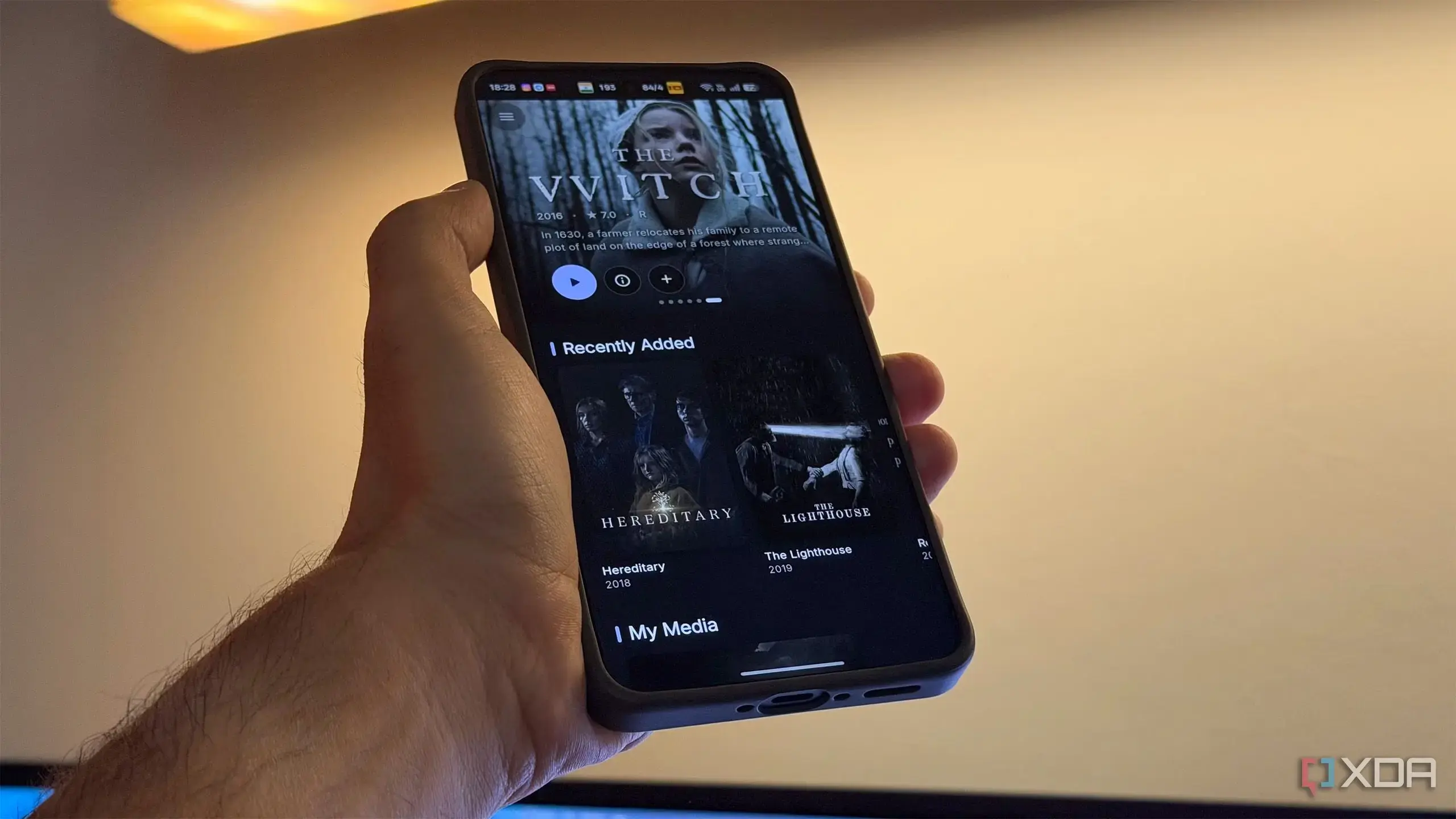
How Fathom Handles Media Requests and Library Sync
An open-source media player called Fathom has emerged as a unified solution for managing personal media libraries and online video content. Released recently, the platform integrates Jellyfin servers, YouTube access, and user media requests into a single interface. Developed by independent contributors, Fathom aims to simplify how users consume both local and streaming content without switching between applications.
Breaking news
 Canonical’s Web Presence Hit by Second DDoS Assault This Year
 Loops AI Secures $3.5 Million to Power a New AI Operating System for E‑Commerce
 Winverse AI Secures Tens of Millions in Seed Funding from DeepSeek and Long‑Z
 Google Adds Pixel 9 Series to Certified Refurbished Store
The player addresses a common pain point for media enthusiasts who maintain personal Jellyfin servers while also wanting seamless access to YouTube. By combining these sources, Fathom eliminates the need to juggle multiple apps or browser tabs. Its design focuses on providing a consistent viewing experience across different content types, with particular attention to navigation and playback controls. The project builds on existing open-source media player frameworks but adds specific integrations for Jellyfin API and YouTube's embedded player functionality.
What Makes This Approach Different From Existing Solutions
One distinctive feature allows users to submit media requests directly through the interface, which then get logged for administrator review in Jellyfin setups. This creates a feedback loop where viewers can suggest new content for personal libraries. The system maintains metadata consistency between local files and online sources, ensuring uniform display of titles, descriptions, and thumbnails. Early adopters report reduced friction when switching between personal collections and trending YouTube videos, particularly in household sharing scenarios where multiple users access the same server.
Unlike proprietary media centers that lock users into specific ecosystems, Fathom remains fully open-source and customizable. It avoids reliance on proprietary APIs by using standard integration points available in both Jellyfin and YouTube's public interfaces. The development team emphasizes privacy, noting that no user viewing data is transmitted to external servers unless explicitly configured. This contrasts with commercial alternatives that often require accounts and track viewing habits across platforms.
Frequently Asked Questions
Is Fathom compatible with all Jellyfin server versions? Fathom works with Jellyfin versions 10.8 and later, requiring API access enabled on the server side for full functionality including media requests and library browsing.
Does the player support YouTube premium features? While basic YouTube playback is supported, features requiring authentication like ad-free viewing or offline downloads depend on the user's YouTube account status within the embedded player interface.