How ray tracing changes mobile game visuals
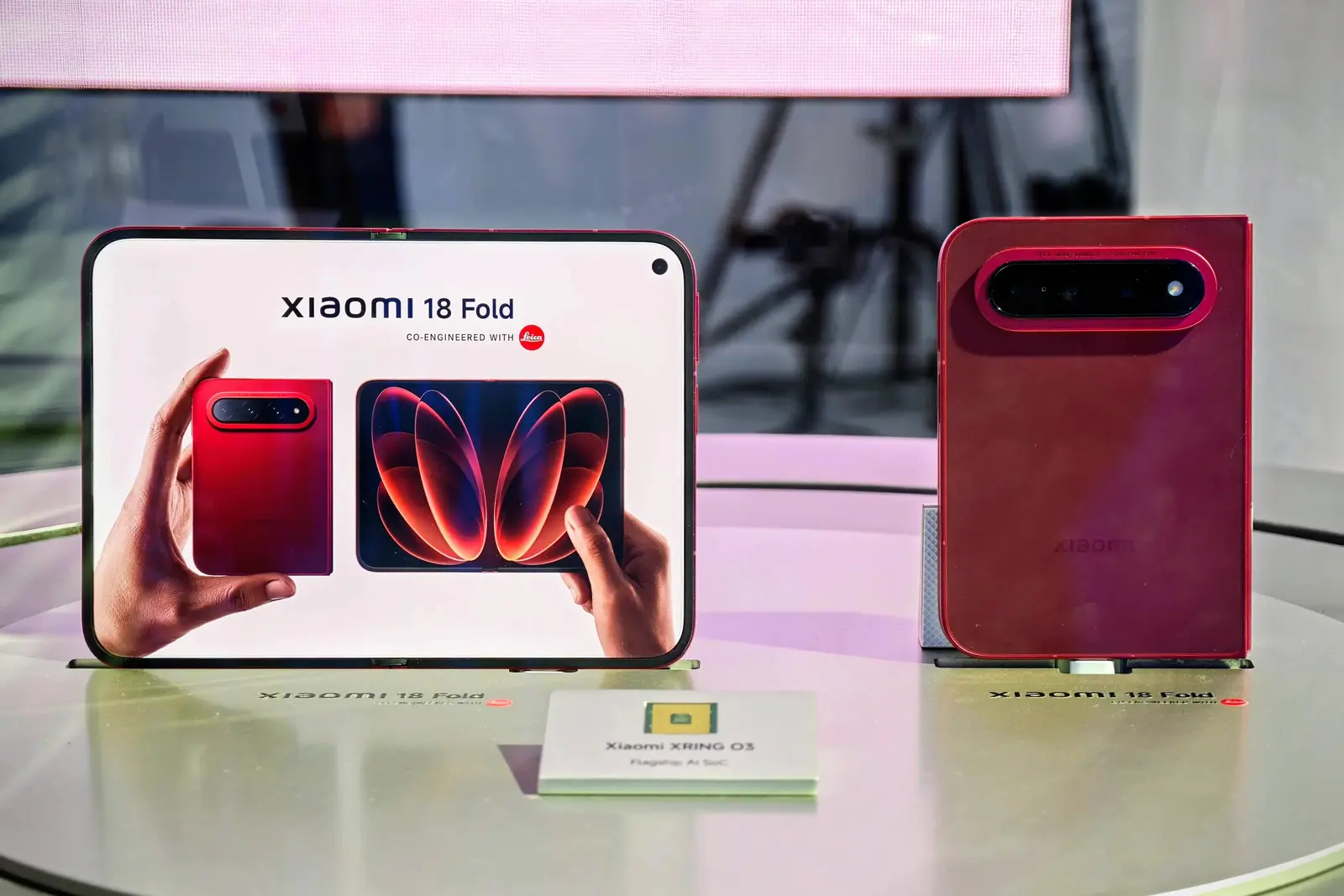
Arm is set to debut its latest graphics technology in smartphones made by Xiaomi, marking the first commercial use of a new mobile GPU design that could significantly improve visual performance in mobile games. The rollout begins in China before expanding globally, targeting devices that demand higher frame rates and richer detail without draining battery life too quickly. This move positions Arm at the forefront of a push to bring console-like graphics to handheld devices.
Breaking news
 Town AI Secures $108 Million Series B, Valued at $1 Billion After $55 M Pre‑Series
 Apple Prepares for Major Product Launch Event on October 28
 Apple Releases Release Candidates for watchOS, tvOS and visionOS 27.2
 Apple Limits iPhone Duo and iPhone 18 Pro Max to Reservation-Only Sales in Japan and South Korea
The new GPU architecture, part of Arm’s Immortalis series, introduces hardware-accelerated ray tracing and variable rate shading to mobile chips for the first time. These features, long standard in PC and console gaming, allow games to render realistic lighting, shadows, and reflections more efficiently. By optimizing how processing power is allocated across the screen, the technology aims to deliver sharper visuals while maintaining playable frame rates. Xiaomi’s upcoming flagship models will be the first to integrate this advancement, giving developers a new target for high-end mobile titles.
What does this mean for battery life and heat?
Ray tracing simulates the physical behavior of light, enabling accurate reflections on water, metal, and glass, as well as softer, more natural shadows. Previously too demanding for mobile GPUs, the technique now runs on Arm’s latest design through dedicated hardware blocks that reduce the computational load. Early demonstrations show games like racing simulators and first-person shooters gaining depth and realism without requiring massive increases in power consumption. Developers note that even partial implementation can elevate visual fidelity meaningfully.
A key concern with advanced graphics on phones has been thermal throttling and rapid battery drain. Arm claims its new design improves performance per watt by up to 30% compared to previous generations, thanks to smarter task scheduling and reduced data movement. Independent testing on reference devices suggests sustained gameplay sessions could see only a modest increase in temperature, though real-world results will vary by game optimization and device cooling. Manufacturers like Xiaomi are expected to pair the GPU with enhanced thermal systems to maintain peak performance.
Will this technology appear in non-Xiaomi phones soon? Yes, Arm licenses its designs to multiple chipmakers, including MediaTek and Samsung, so other brands are expected to adopt the GPU in their 2024–2025 flagship models after the initial Xiaomi launch.
Frequently Asked Questions
Do I need to buy a new phone to play games with ray tracing? Yes, ray tracing requires compatible hardware; older phones lack the necessary GPU components to support the feature, though games will still run at lower visual settings.
Can mobile games look as good as console titles now? While closing the gap, mobile games still face limits in screen size, input precision, and thermal headroom, but the new Arm GPU brings visual quality closer than ever before, especially in supported titles.