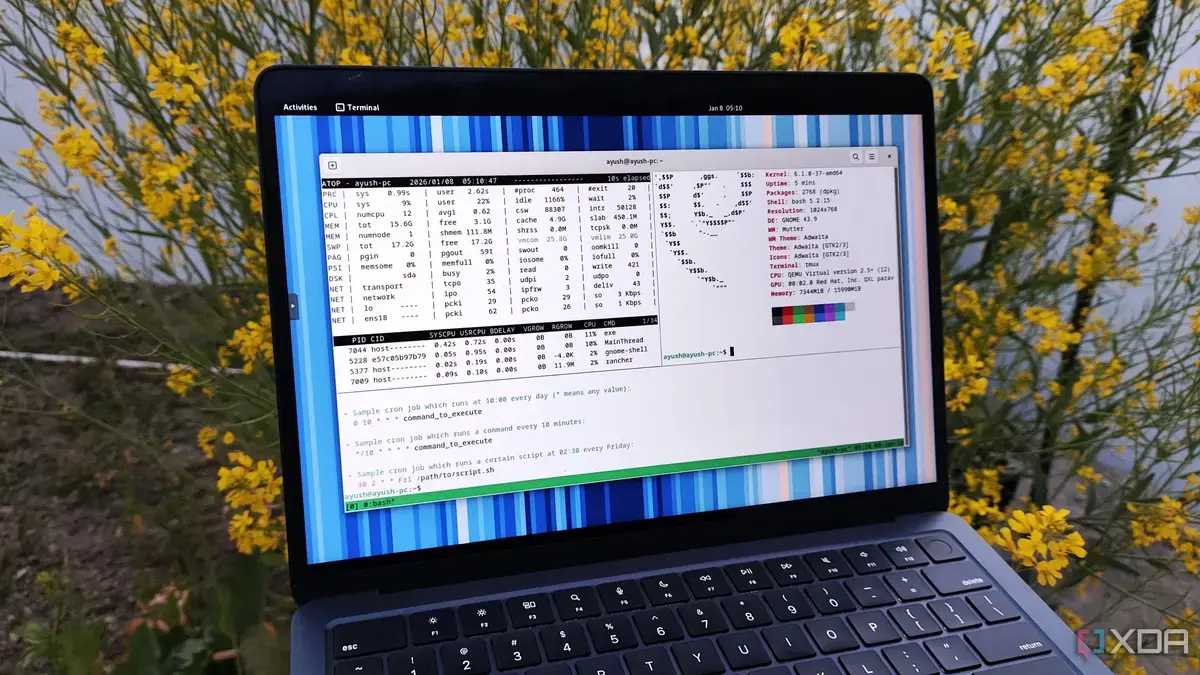
The Turning Point: Discovering Linux
In a surprising turn of events, I have embraced Linux as my primary operating system. This shift occurred after years of skepticism about its usability and reputation. My journey began in August 2026, as I transitioned from a long-time Windows user to a dedicated Linux advocate.
Breaking news
 Otter.ai Secures $320M to Scale Enterprise AI Meeting Tools
 Asymptote Labs Raises $5.5M to Monitor AI Agent Behavior
 Waymo Accelerates Robotaxi Expansion to Reach 20,000 Vehicles by 2027
 OpenAI Quietly Drops Push for China Chip Export Controls
Initially, I dismissed Linux due to its perceived complexity and a lack of user-friendly features. My background in technology, particularly as a Computer Science graduate and experience with Windows since version 3.1, made me hesitant to change. However, after working in an indie game studio and providing tech support for family and friends, I began to explore alternatives to Windows.
My curiosity about Linux grew as I heard more about its advantages. The operating system is known for its stability, security, and flexibility. I decided to give it a try, starting with a popular distribution that promised an easy installation process. To my surprise, I found the setup straightforward and the user interface intuitive.
What Makes Linux Stand Out?
As I delved deeper, I discovered a thriving community of users and developers eager to help newcomers. The wealth of resources available online made learning about Linux enjoyable. I quickly learned how to customize my desktop environment, install software, and troubleshoot issues. The experience was liberating compared to my previous frustrations with Windows updates and system slowdowns.
What sets Linux apart from other operating systems? One significant factor is its open-source nature. This allows users to modify and improve the software, fostering innovation and collaboration. Additionally, Linux distributions often come with a variety of free software, reducing the need for costly licenses.
Another appealing aspect is the strong emphasis on security. Linux is less susceptible to malware and viruses, making it a safer choice for daily use. Users can also benefit from regular updates and patches, ensuring their systems remain secure and efficient.
Will Linux Continue to Gain Popularity?
The more I used Linux, the more I appreciated its advantages. I found my productivity increased as I became more comfortable with the system. Tasks that once felt cumbersome on Windows became seamless in Linux.
As I reflect on my journey, I wonder if more users will make the switch to Linux. With its growing reputation and the increasing number of user-friendly distributions, it seems likely. Many people are seeking alternatives to traditional operating systems that can offer better performance and security.
The future looks promising for Linux. As more individuals discover its benefits, the community will continue to expand. This could lead to even more innovations and improvements, making Linux an attractive option for users of all backgrounds.
Frequently Asked Questions
Why did you initially ignore Linux? I was put off by its reputation for being complex and not user-friendly. My experience with Windows made me hesitant to switch.
What distribution did you start with? I began with a popular and user-friendly distribution that made the transition easy. It had a straightforward installation process and a familiar interface.
Is Linux suitable for everyday users? Absolutely! Linux has many distributions designed for everyday users, offering ease of use and a supportive community. Many users find it more efficient than traditional operating systems.