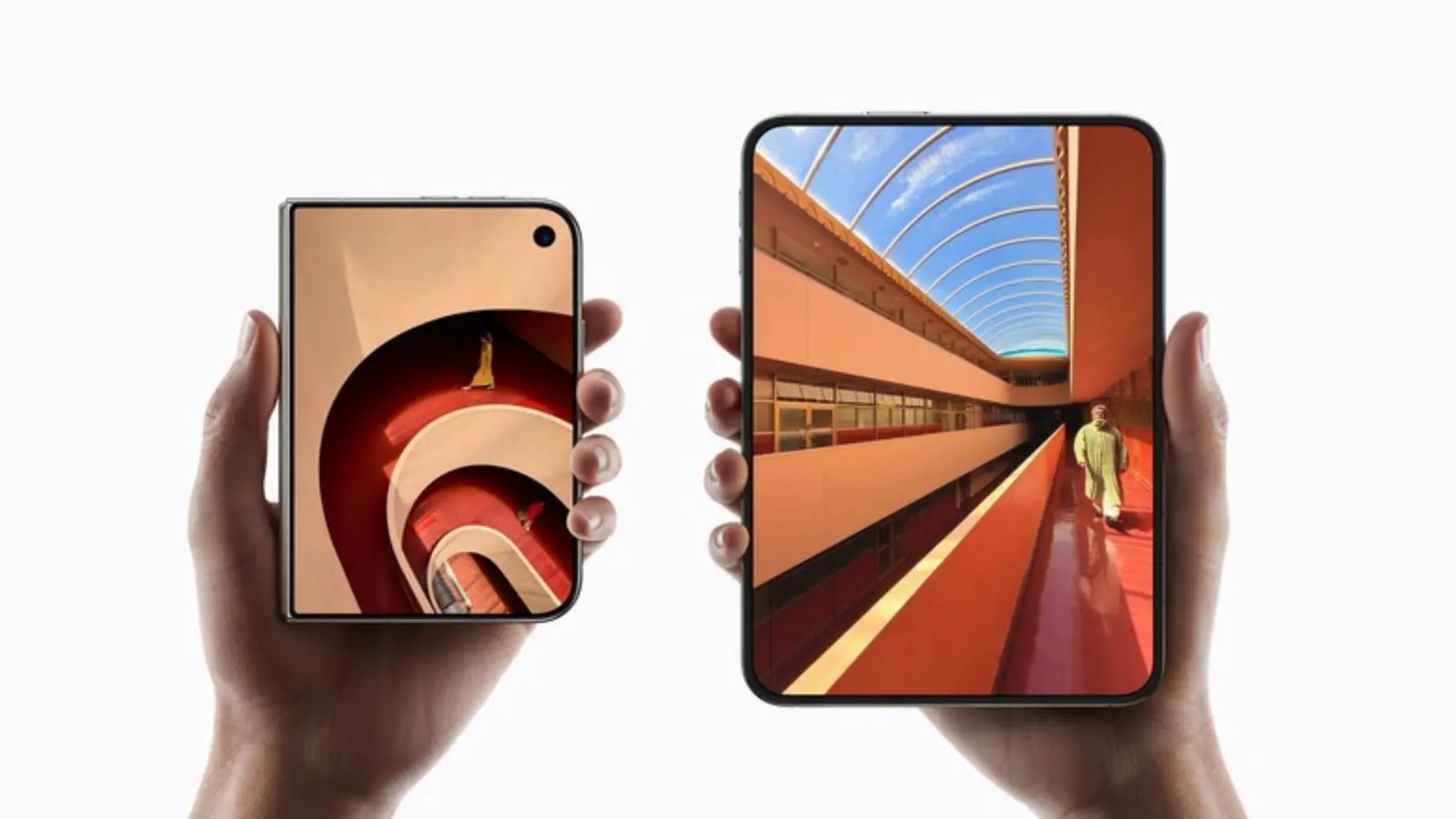
Engineering Breakthroughs Enabling Practical Foldables
The evolution of foldable smartphones began with the Royole FlexPai in 2018, marking the first commercially available device with a bendable display. Since then, manufacturers have refined the technology, addressing early issues like screen durability and hinge reliability. Apple’s anticipated i Phone Duo signals a potential turning point, suggesting foldables may soon transition from niche products to mainstream options as technical barriers continue to fall.
Breaking news
 Town AI Secures $108 Million Series B, Valued at $1 Billion After $55 M Pre‑Series
 Apple Prepares for Major Product Launch Event on October 28
 Apple Releases Release Candidates for watchOS, tvOS and visionOS 27.2
 Apple Limits iPhone Duo and iPhone 18 Pro Max to Reservation-Only Sales in Japan and South Korea
Early foldables faced skepticism due to high prices, fragile screens, and bulky designs. The FlexPai, while innovative, suffered from software glitches and a crease-prone display. Samsung’s Galaxy Fold series improved upon these flaws with better materials and multi-layer protection, yet concerns about long-term usability persisted. Apple’s entry, rumored to feature a seamless folding mechanism and tighter iOS integration, could accelerate consumer trust by leveraging the company’s reputation for polished hardware and software cohesion.
Will Consumers Embrace the Foldable Form Factor?
Advances in ultra-thin glass, flexible OLED panels, and precision hinges have made modern foldables more resilient than their predecessors. Samsung’s use of polymer-coated displays and Apple’s reported research into self-healing materials aim to reduce visible creasing. Battery efficiency has also improved, allowing dual-screen devices to maintain usable battery life despite increased power demands from larger, unfolding displays. These innovations collectively address the core limitations that hindered early adoption.
Price remains a significant hurdle, with current foldables costing significantly more than traditional smartphones. However, as production scales and component costs decrease, analysts predict prices could drop by 30% within three years. If Apple delivers a competitively priced i Phone Duo, it may catalyze broader market acceptance, particularly among users seeking larger screens without carrying tablets. The success of foldables will ultimately depend on balancing innovation with everyday practicality.
What was the first foldable phone ever released? The Royole FlexPai, launched in 2018, was the world’s first commercially available foldable smartphone.
Frequently Asked Questions
How do modern foldables improve over early models? They use stronger materials like ultra-thin glass, improved hinges, and better software optimization to reduce creasing and increase durability.
Could Apple’s i Phone Duo make foldables mainstream? Apple’s entry could normalize foldables by combining trusted ecosystem integration with refined design, potentially lowering perceived risk for consumers.