Escalating Costs Beyond Component Expenses
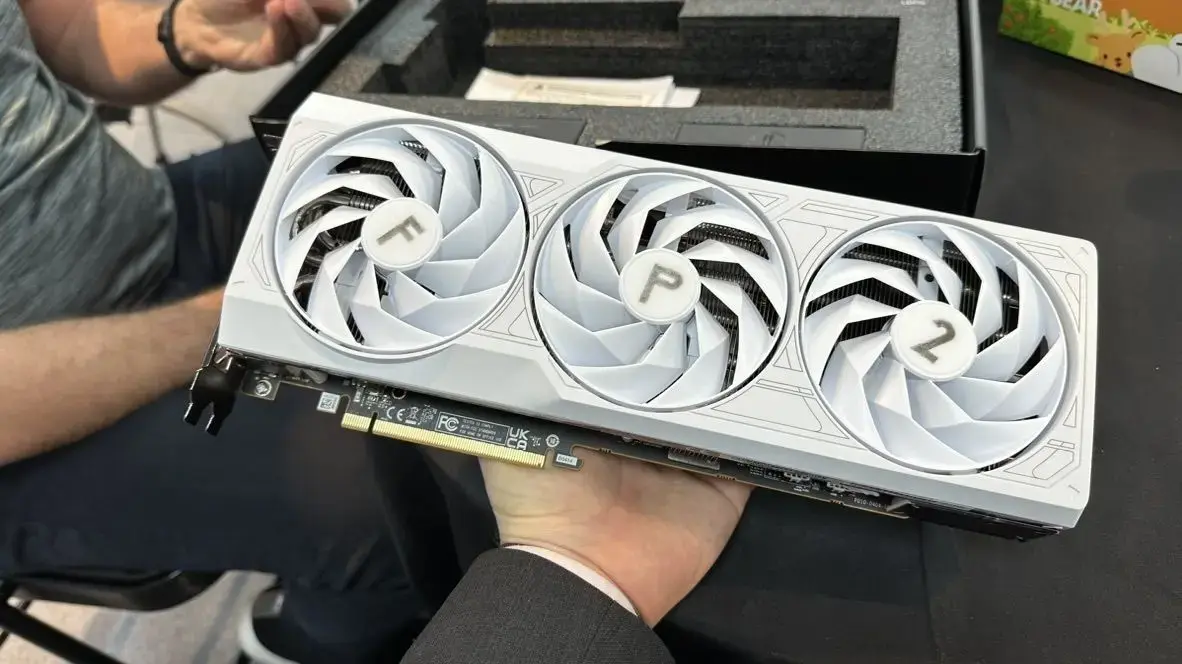
PC Partner issued a stark warning this week regarding the future of the graphics card market. The manufacturer, which produces hardware for brands including Zotac and Sapphire, anticipates significant price hikes throughout the second half of 2026. Rising production costs and tightening supply chains are creating a difficult environment for consumers seeking affordable gaming components.
Breaking news
 Canonical’s Web Presence Hit by Second DDoS Assault This Year
 Loops AI Secures $3.5 Million to Power a New AI Operating System for E‑Commerce
 Winverse AI Secures Tens of Millions in Seed Funding from DeepSeek and Long‑Z
 Google Adds Pixel 9 Series to Certified Refurbished Store
The company points to surging memory prices as a primary driver for these adjustments. As the cost of high-bandwidth memory continues to climb, manufacturers are finding it increasingly difficult to maintain current retail price points. These financial pressures are expected to hit the entry-level and budget segments particularly hard, potentially leaving many gamers with fewer affordable options.
Industry analysts suggest that the price increases may extend beyond simple material costs. While memory prices are undeniably rising, some experts believe manufacturers are using the current market climate to inflate margins. This trend suggests that consumers could see retail prices rise significantly higher than what is justified by component costs alone.
Will Budget Gamers Face a Hardware Drought?
The shift reflects a broader strategy among hardware makers to prioritize high-margin products. By focusing on premium models, companies can better absorb fluctuating supply chain expenses. However, this leaves the budget-conscious segment vulnerable to stock shortages and aggressive pricing strategies that prioritize profit over accessibility.
The outlook for the remainder of the year remains grim for those waiting for price drops. With production capacity strained and costs mounting, retailers are unlikely to offer significant discounts during the upcoming holiday season. The combination of limited supply and higher price floors could effectively price many casual users out of the current generation of hardware.
Market observers recommend that consumers monitor inventory levels closely as the year progresses. If the current trajectory continues, the cost of entry for PC gaming may reach a new, sustained high. The industry is bracing for a period of volatility that could reshape how budget-tier graphics cards are marketed and sold globally.
Frequently Asked Questions
Why are graphics card prices increasing? Prices are rising primarily due to higher memory costs and constrained supply chains. Manufacturers are also adjusting pricing strategies to protect profit margins against these rising expenses.
Will budget graphics cards become harder to find? Yes, analysts expect shortages in the budget segment. Companies are prioritizing higher-margin products, which often results in reduced availability for entry-level hardware.
Should I wait for prices to drop? Current market trends suggest prices will remain elevated through late 2026. Significant discounts are unlikely as manufacturers struggle with increased production costs and limited supply.