Dresden’s Strategic Edge in Power Semiconductor Production
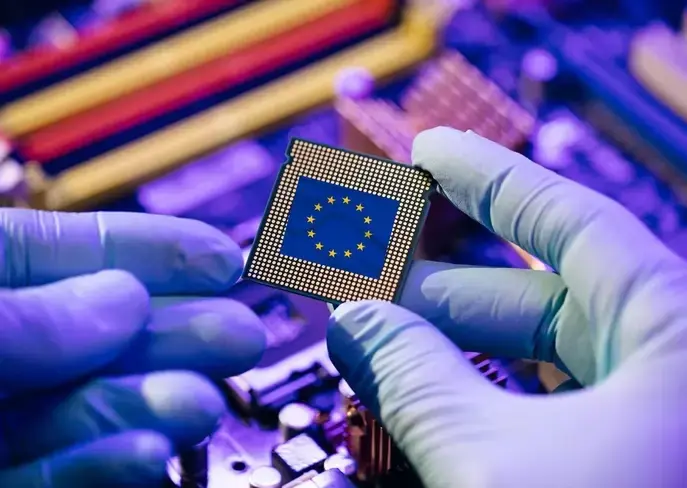
Infineon Technologies will open a €5 billion power‑semiconductor factory in Dresden on 2 July. The plant receives €1 billion in subsidies from the European Union’s Chips Act, marking the programme’s first high‑profile success after Intel’s cancelled project in Magdeburg.
Breaking news
 Eufy Unveils Local AI Home Security Ecosystem at IFA
 The Rapid Evolution of Data Center Security in the AI Era
 The High-Voltage Risks Facing Modern AI Data Centers
 Apple’s New CEO Renames Lake Ontario To Lake America In Maps App
The new fab will expand Infineon’s existing Dresden campus, which already hosts several research and production lines. The EU Chips Act, introduced to boost Europe’s semiconductor sovereignty, offers financial support to attract large‑scale investments. Infineon’s decision reflects rising demand for power chips used in electric vehicles, renewable‑energy systems and industrial automation. The company expects the plant to create thousands of jobs and to increase its output capacity by 30 percent within five years.
Dresden has become a magnet for high‑tech manufacturing thanks to its skilled workforce and strong university links. Local authorities have streamlined permitting processes, reducing construction delays. Infineon’s chief technology officer, Dr. Martina Weber, highlighted the region’s „deep talent pool and collaborative ecosystem” as key factors. The plant will employ cutting‑edge lithography equipment, allowing the production of silicon‑carbide and gallium‑nitride devices that improve energy efficiency. By consolidating research and fabrication on one site, Infineon aims to shorten development cycles and accelerate time‑to‑market for new products.
Will the EU Chips Act Spur More Investments After Intel’s Setback?
Intel’s withdrawal from the Magdeburg project raised doubts about the Chips Act’s ability to attract foreign giants. Infineon’s breakthrough suggests the incentives are still effective for European firms. Analysts note that the €1 billion subsidy reduces financial risk and signals strong political backing. The success may encourage other manufacturers to consider Europe as a viable alternative to Asia‑dominant supply chains. However, experts caution that sustained funding and regulatory certainty will be essential to maintain momentum.
The Dresden plant positions Infineon as a leader in the power‑semiconductor market and reinforces Europe’s push for supply‑chain resilience. If the facility meets its production targets, it could trigger further investments under the Chips Act, strengthening the continent’s technological independence.
Frequently Asked Questions
What types of chips will the Dresden factory produce? The plant will focus on power semiconductors, especially silicon‑carbide and gallium‑nitride devices used in electric vehicles, renewable‑energy inverters and industrial equipment.
How many jobs will the new facility create? Infineon estimates the fab will generate several thousand direct jobs, with additional indirect employment in supporting services and supply chains.
When will the factory reach full operational capacity? The facility is slated to begin initial production in July 2024, with full capacity expected within three to five years, depending on market demand.