A Strategic Refresh of the C-Suite
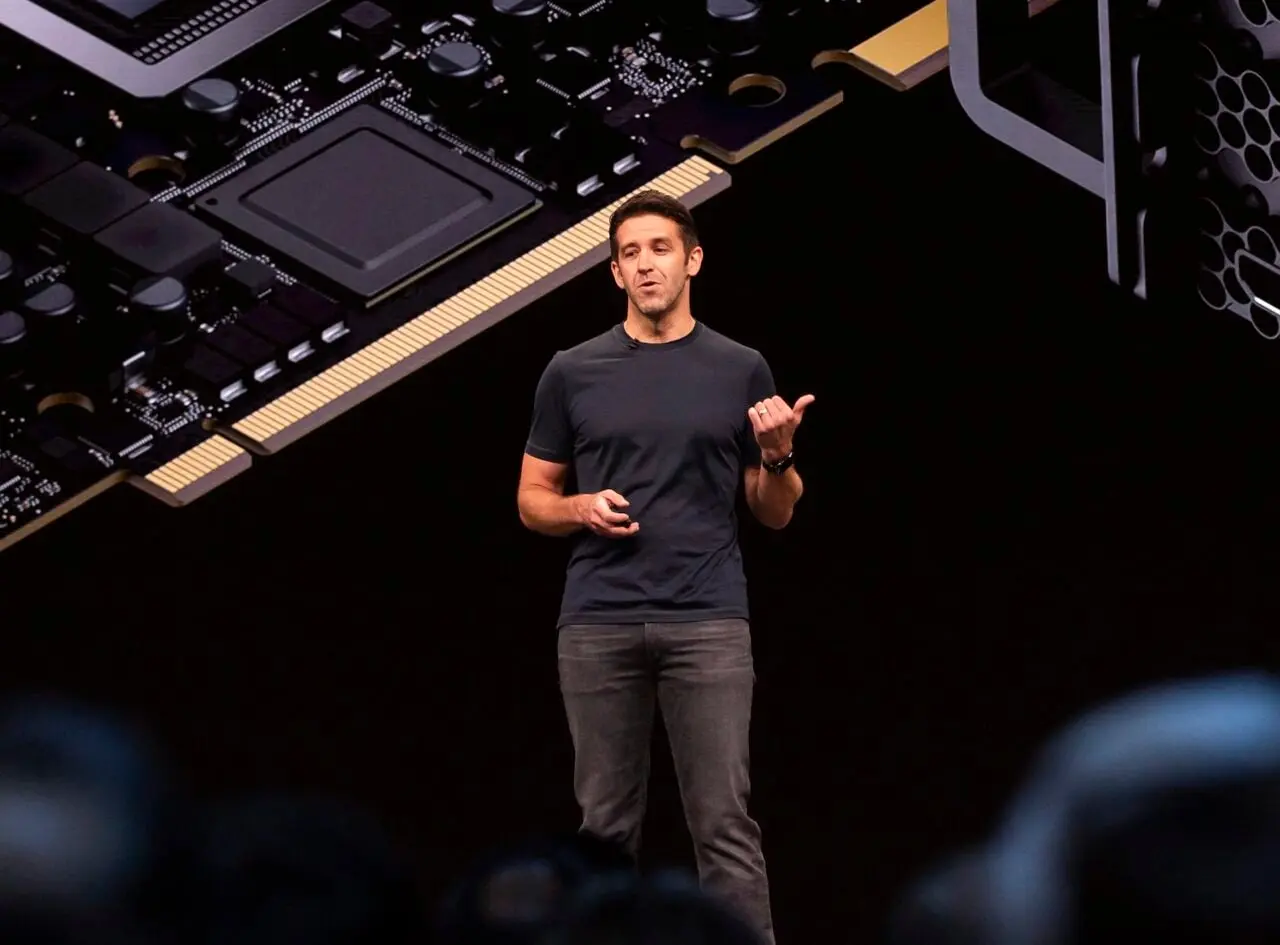
Apple is preparing for a significant change in its executive hierarchy as John Ternus takes over as chief executive officer. This transition follows a long-standing succession plan within the company. The move signals a broader restructuring effort aimed at refreshing the management layer.
Breaking news
 Town AI Secures $108 Million Series B, Valued at $1 Billion After $55 M Pre‑Series
 Apple Prepares for Major Product Launch Event on October 28
 Apple Releases Release Candidates for watchOS, tvOS and visionOS 27.2
 Apple Limits iPhone Duo and iPhone 18 Pro Max to Reservation-Only Sales in Japan and South Korea
Ternus will officially assume the role of CEO next week. This shift marks the end of Tim Cook’s tenure at the top of the world’s most valuable tech company. Reports indicate that this leadership change is accompanied by immediate plans for internal adjustments. The new CEO intends to address stagnation among senior staff members.
The upcoming changes are not driven by financial distress or urgent crisis management. Instead, the motivation stems from a desire to modernize the corporate culture. Apple’s current executive team has grown quite rigid over the years. Many senior leaders have held their positions for extended periods. This longevity has led to a perception of slow decision-making processes.
Why Is Apple Prioritizing Executive Turnover?
Mark Gurman of Bloomberg notes that the shakeup is expected to happen shortly after Ternus settles into his new role. The goal is to inject fresh perspectives into key departments. This approach aims to prevent the organization from becoming too insular. By replacing veteran executives, Apple hopes to accelerate innovation cycles. The strategy focuses on agility rather than reactive fixes.
Tim Cook did not face this specific challenge during his time leading the company. He inherited a stable structure and focused on scaling operations globally. Now, Ternus must actively manage the transition of power within the upper echelons. This task requires careful navigation of internal politics and legacy loyalties. The process involves identifying which roles need new faces immediately.
The primary reason for this overhaul is to combat institutional inertia. Long-tenured executives often develop entrenched ways of working. These methods can hinder rapid adaptation to market shifts. Apple operates in a highly competitive landscape where speed is crucial. Slower internal movements can result in missed opportunities.
Frequently Asked Questions
The new leadership team is expected to bring diverse backgrounds and recent industry experience. This diversity should foster better cross-functional collaboration. Departments like hardware, software, and services require tight integration. Fresh eyes may identify bottlenecks that have persisted for years. The restructuring supports a more dynamic operational model.
Who is replacing Tim Cook as Apple CEO? John Ternus will take over the position next week. He has served as the head of product design and hardware engineering for many years. His appointment was part of a planned succession strategy.
Why is Apple changing its executive team now? The company aims to refresh its leadership layer to improve agility. Senior executives have remained in their roles for too long, causing slower responses to market changes. This move seeks to restore a culture of rapid innovation.