Averting Billions in Losses
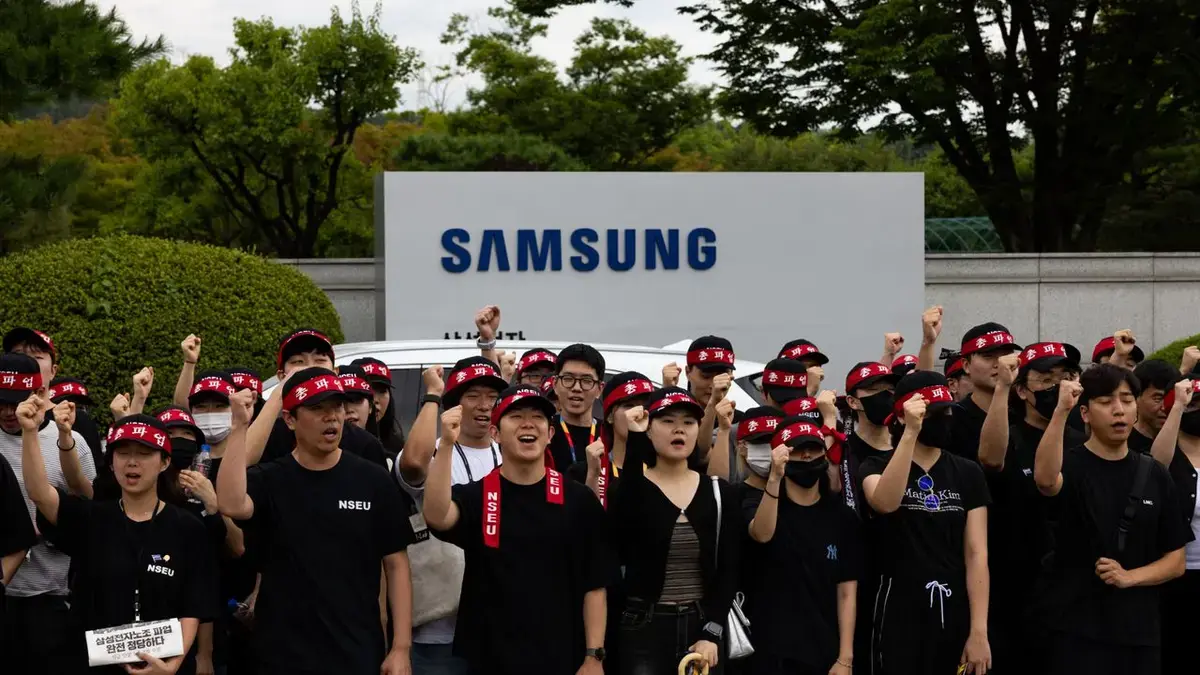
Samsung Electronics narrowly avoided an 18-day strike at its South Korean semiconductor plants after reaching a tentative wage agreement with its 48,000-strong union on May 20, 2026. The deal was struck just hours before the planned industrial action.
Breaking news
 Eufy Unveils Local AI Home Security Ecosystem at IFA
 The Rapid Evolution of Data Center Security in the AI Era
 The High-Voltage Risks Facing Modern AI Data Centers
 Apple’s New CEO Renames Lake Ontario To Lake America In Maps App
The union, representing a significant portion of Samsung's workforce, had been negotiating with the company over wages and benefits. The tentative agreement is subject to a worker vote, but its timely announcement averted a potentially costly strike.
The strike would have had significant financial implications for Samsung, with potential losses running into billions of dollars. The company's semiconductor business is a crucial component of its operations, and any disruption would have had far-reaching consequences. Samsung's swift action in reaching a deal with the union has helped to mitigate this risk.
Can Samsung Maintain Production Momentum?
The union's demands had been focused on improved wages and working conditions, reflecting broader concerns about the treatment of workers in the tech industry. While the details of the agreement have not been made public, it is clear that Samsung has made concessions to address the union's concerns.
With the strike averted, Samsung can now focus on maintaining its production momentum. The company's semiconductor business is highly competitive, and any disruption to production can have significant consequences. The successful negotiation with the union is a positive development for Samsung, but the company will need to continue to navigate the complex industrial relations landscape.
The outcome of the worker vote on the tentative agreement will be crucial in determining the longer-term implications of the deal. If ratified, the agreement is likely to provide a degree of stability for Samsung's operations in the short term.
Frequently Asked Questions
What was at stake in the Samsung strike? The strike would have resulted in billions of dollars in potential losses for Samsung. The company's semiconductor business is a critical component of its operations. Any disruption would have had significant financial implications.
What were the union's main demands? The union's demands focused on improved wages and working conditions for Samsung's 48,000 workers. The union sought better treatment and benefits for its members.
What happens next? The tentative agreement is subject to a worker vote. If ratified, it will provide a degree of stability for Samsung's operations in the short term.