
ProLED XDR: A Visual Leap for Professionals
Apple introduced its latest MacBook Pro featuring a ProLED XDR display, a lighter chassis, and integrated touch capability at its September event in Cupertino. The new 14‑inch model is now available for pre‑order, and the iconic glowing Apple logo makes a comeback, signaling a fresh design direction for the brand’s flagship notebook.
Breaking news
 Dropbox to Buy Tigris Data for $350 Million
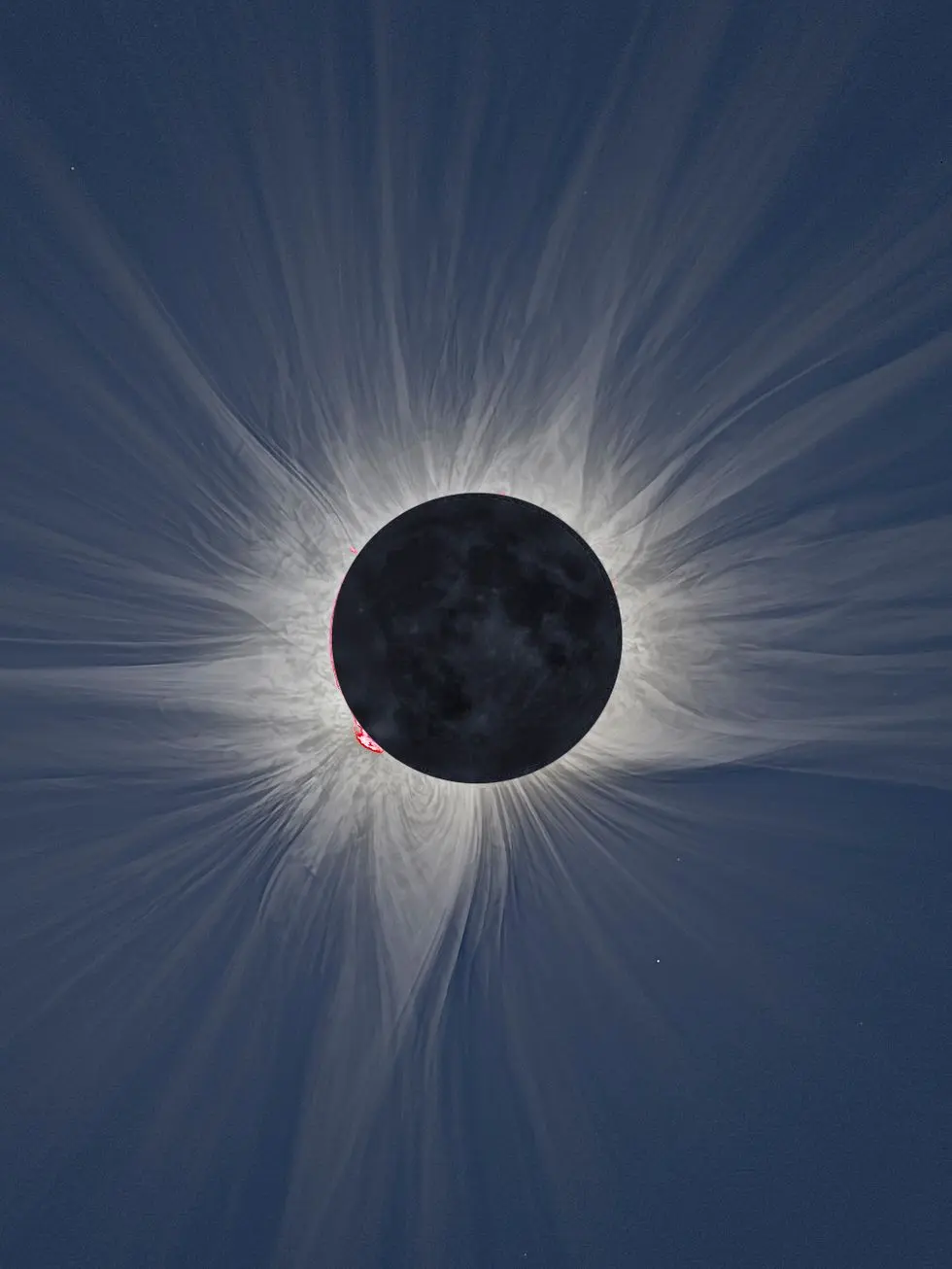 Mathematician Uses Algorithms to Predict and Capture Total Solar Eclipses
 Zipline Raises $1.5B at $21.5B Valuation
 DocuSign launches global general availability for contract AI workflows
The ProLED XDR screen combines OLED technology with extreme dynamic range, delivering deeper blacks and brighter highlights than any previous MacBook display. Apple claims a peak brightness of 1,600 nits and a contrast ratio exceeding 1,000,000:1, which should appeal to creators handling HDR video and high‑resolution photography. The laptop also sheds several grams, thanks to a redesigned aluminum alloy frame and a slimmer battery pack, making it more portable without sacrificing performance. The addition of a touch‑enabled trackpad and subtle haptic feedback marks the first time Apple has incorporated touch interaction into a MacBook, aiming to bridge the gap between macOS and iPadOS workflows.
Early reviewers note that the ProLED XDR’s color accuracy is „studio‑grade,” with a 100% DCI‑P3 coverage that eliminates the need for external calibration tools. In side‑by‑side tests, the new screen rendered gradients smoother than the previous Retina panels, reducing banding in dark scenes. Photographers praised the ability to see true shadow detail on the go, while video editors highlighted the seamless playback of 10‑bit HDR footage without frame drops. The display’s adaptive refresh rate, which scales from 30 Hz to 120 Hz based on content, also conserves battery life during static tasks.
Does Touch Integration Really Change macOS?
Apple’s decision to add touch to the MacBook Pro raises questions about the operating system’s future. The touch‑enabled trackpad now supports pressure‑sensitive gestures that trigger contextual menus, allowing users to swipe, pinch, and tap to manipulate windows and timelines. Critics argue that macOS has long relied on keyboard shortcuts and mouse clicks, but Apple’s engineers suggest that subtle touch inputs can speed up repetitive actions, such as scrubbing through audio tracks or adjusting color curves. In a demo, a music producer reduced a typical mixing session by ten minutes by using the new haptic gestures, indicating that the feature may find niche adoption among power users.
The glowing Apple logo, a nostalgic nod to early Macs, is powered by a low‑energy LED that pulses softly when the laptop is idle, adding a visual cue without draining the battery. While largely cosmetic, the feature underscores Apple’s focus on blending form and function.
Looking ahead, the ProLED XDR MacBook Pro could set a new benchmark for high‑end laptops, pushing competitors to adopt OLED panels and touch‑enhanced input. If the market embraces the hybrid touch‑macOS experience, future models may see deeper integration, possibly blurring the line between laptops and tablets. For now, the device offers a compelling mix of performance, portability, and visual fidelity that may redefine expectations for professional notebooks.
Frequently Asked Questions
What is the price of the new 14‑inch MacBook Pro? Apple lists the base model at $2,499, with higher‑spec configurations ranging up to $3,799 depending on processor, memory, and storage options.
How does battery life compare to the previous generation? Apple advertises up to 17 hours of web browsing, a modest gain over the prior model thanks to the more efficient ProLED panel and optimized power management.
Is the touch feature optional or built into every unit? Touch functionality is integrated into the trackpad of all 14‑inch ProLED XDR models; there is no separate „touch‑off” option.