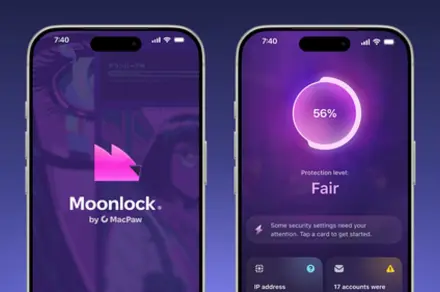
Moonlock evaluates these codes and explains why a particular code might be
MacPaw has released Moonlock for i Phone, extending its Mac security suite to the mobile platform. The app scans suspicious texts, screenshots, and QR codes to flag potential fraud before users fall for it. The tool addresses a common problem: deceptive messages about unpaid tolls, stuck packages, or bank issues. These scams exploit the split-second hesitation before a user realizes the message is fake. Moonlock intervenes in that window. How Moonlock Identifies Fraudulent Messages The app analyzes incoming texts for red flags common in phishing attempts. It also reviews screenshots users take of suspicious messages, providing immediate feedback on whether the content looks fraudulent. QR code scanning is another core feature. Scammers increasingly use QR codes to redirect victims to malicious sites or trigger downloads.
Breaking news
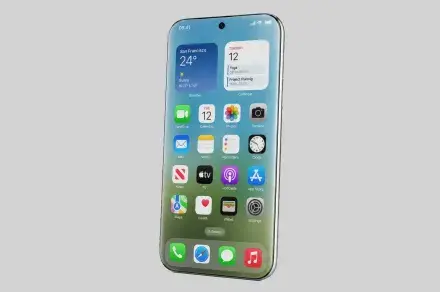 Apple’s 20th Anniversary iPhone May Feature Near‑Zero Bezels
 Anthropic Eyes Higher IPO Price and Larger Share Offering
 OpenAI Unveils GPT-6.2 Astra and Sol, Cuts Top Model Price 20%
 AI Models Find Critical Nginx Flaws
Moonlock evaluates these codes and explains why a particular code might be dangerous. Will This End Text-Based Scams? The launch positions Moonlock as a proactive defense layer. Rather than relying on users to spot scams manually, the app automates the detection process. This reduces the cognitive load on users who may not recognize every scam pattern. MacPaw built Moonlock on its existing Mac security technology, bringing that expertise to iOS. The company aims to make scam detection as simple as scanning a message or code. Frequently Asked Questions Does Moonlock work offline? The app processes scans locally on the device, meaning it can flag threats without an internet connection. This preserves user privacy and speeds up detection. Can Moonlock block scam texts automatically? Moonlock flags suspicious messages and explains the threat. Users can then choose to delete or report the text.
The app does not silently delete messages without user action.