How Does „NameTag” Allegedly Work According to Leaked Details
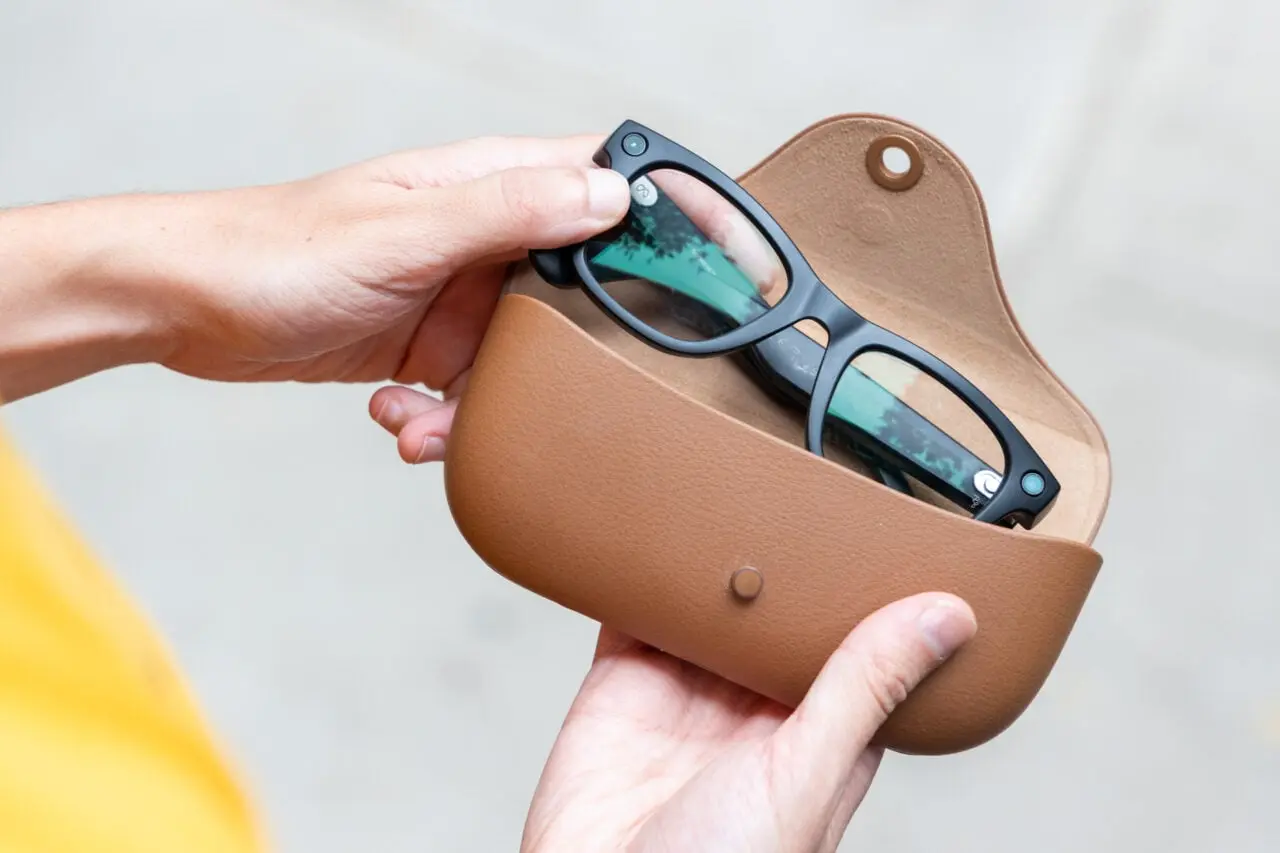
Parents in Illinois and California have filed a proposed class action lawsuit against Meta, alleging the company plans to implement facial recognition technology in its upcoming smart glasses despite not having released the feature. The lawsuit claims Meta’s internal development of a feature codenamed „NameTag” violates state biometric privacy laws by collecting and storing facial data without proper consent. Plaintiffs argue the technology could enable unauthorized identification of individuals in public spaces, raising significant privacy and safety concerns, particularly for children.
Breaking news
 Is macOS 27 compatible with Intel Macs?
 Apple Wallet vs. Google Wallet: How the Two Apps Differ
 The AI industry has taken a doomer turn. What now?
 Valve Announces Steam Frame VR Headset Pricing at $1,059
The legal action stems from a Wired report that uncovered references to „NameTag” within Meta’s internal code, suggesting the feature was designed to identify people through smart glasses and display personal information like names and social media profiles. Although Meta has not officially launched the technology, the lawsuit contends that the mere development and testing of such capabilities constitute a violation of Illinois’ Biometric Information Privacy Act (BIPA) and similar statutes in California. The plaintiffs seek injunctive relief and damages, asserting that Meta’s actions create a pervasive surveillance risk even before public release.
Why Are Parents Particularly Concerned About This Technology
According to the Wired investigation cited in the lawsuit, „NameTag” functioned by using the smart glasses’ camera to capture facial images, then matching them against a database to retrieve associated personal data. The system was reportedly designed to overlay names and social media handles directly onto the wearer’s view in real time. Internal documents suggested Meta had tested the feature with employees, though it was never rolled out to consumers. Plaintiffs argue this testing phase still involved the collection of biometric identifiers without informed consent, which is prohibited under BIPA unless specific notice and release procedures are followed.
Parents involved in the lawsuit express deep concern that facial recognition on wearable devices could be used to identify and track children without their knowledge or permission. They warn that such technology could enable strangers to access a child’s name, school, or social media profiles simply by looking at them through smart glasses. One plaintiff stated, „We shouldn’t have to worry that someone can learn everything about our child just by glancing at them on the street.” The lawsuit emphasizes that children are especially vulnerable to misuse of biometric data, and that Meta’s plans—even if not yet deployed—normalize invasive surveillance in everyday environments.
What Are the Potential Legal and Industry Implications
If the court allows the case to proceed, Meta could face significant financial liability under BIPA, which permits statutory damages of up to $1,000 per negligent violation and $5,000 per intentional or reckless violation. A ruling against Meta might also set a precedent for how biometric data is handled in wearable technology, potentially prompting stricter oversight of similar features in augmented reality devices. The case underscores growing tension between innovation in consumer tech and the enforcement of privacy protections, especially as companies explore more immersive forms of data collection.
What is the „NameTag” feature that Meta is being sued over? „NameTag” is a reported internal codename for facial recognition software found in Meta’s code that would identify people via smart glasses and display personal information like names and social media profiles in the wearer’s field of view.
Frequently Asked Questions
Why are Illinois and California relevant to this lawsuit? Both states have strong biometric privacy laws—Illinois’ BIPA and California’s CCPA/CPRA—that require informed consent before collecting biometric identifiers such as facial geometry, making them key jurisdictions for privacy-related legal action.
Has Meta actually released smart glasses with facial recognition? No, Meta has not released facial recognition capabilities in its smart glasses; the lawsuit alleges liability based on the development and testing of the feature, not its public deployment.