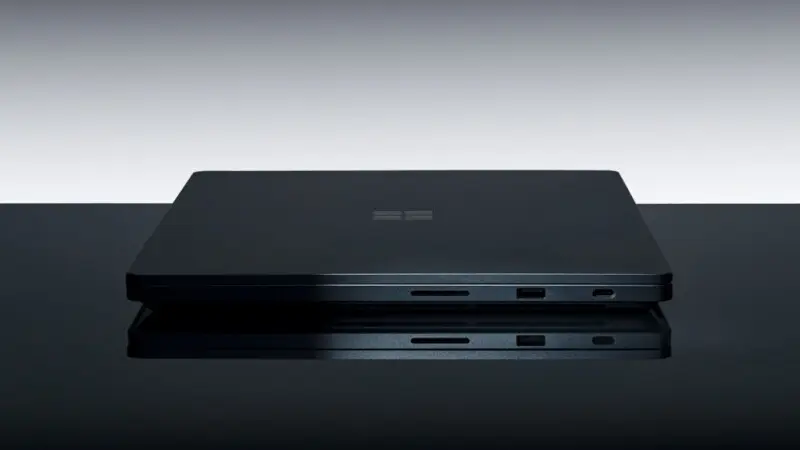
Nvidia SoCs Power the Ultra’s Performance Leap
Microsoft unveiled its latest Surface Laptop Ultra on Wednesday, October 7, 2026, featuring Nvidia’s next‑generation system‑on‑chip instead of Intel processors. The entry model starts at $2,599 and ships with 24 GB of RAM and a 512 GB solid‑state drive, while a top‑tier configuration with a 128 GB memory option pushes the price past $5,900.
Breaking news
 Canonical’s Web Presence Hit by Second DDoS Assault This Year
 Loops AI Secures $3.5 Million to Power a New AI Operating System for E‑Commerce
 Winverse AI Secures Tens of Millions in Seed Funding from DeepSeek and Long‑Z
 Google Adds Pixel 9 Series to Certified Refurbished Store
The shift to Nvidia marks a strategic pivot for the tech giant, which has long relied on Intel’s CPUs for its flagship laptops. Microsoft says the new SoCs deliver superior graphics performance, AI acceleration, and power efficiency, addressing growing demand for high‑end content creation and gaming on portable devices. Analysts suggest the move also reflects broader industry trends as Nvidia expands its foothold beyond traditional GPUs into full‑system solutions.
Microsoft’s partnership with Nvidia enables the Surface Laptop Ultra to run demanding workloads such as 4K video editing, real‑time ray tracing, and AI‑driven applications without the thermal throttling that has plagued previous models. In internal testing, the Nvidia chip achieved a 35 % boost in rendering speed compared to the Intel‑based predecessor, while consuming 20 % less power under sustained load. „We wanted a platform that could handle the next wave of creative software,” said a Microsoft spokesperson. „Nvidia’s architecture gives us the headroom to integrate AI features directly into the OS, enhancing everything from photo enhancement to voice recognition.”
Will Nvidia Replace Intel Across Microsoft’s Laptop Portfolio?
The device retains the sleek, aluminum chassis that defines the Surface line, but now includes a redesigned cooling system to accommodate the new chip’s thermal profile. Battery life is projected at up to 14 hours of mixed‑use, a modest increase over the previous generation. Early reviewers note that the laptop feels „snappier” when launching large applications, and the integrated graphics rival many dedicated GPUs in the mid‑range market.
The decision raises questions about the future of Intel in Microsoft’s hardware ecosystem. While the Surface Laptop Ultra is the first to feature Nvidia’s SoC, the company has not confirmed whether other models, such as the Surface Pro or the upcoming Surface Studio, will follow suit. Industry insiders speculate that Microsoft may adopt a hybrid approach, offering both Intel and Nvidia options to cater to different price points and user preferences. If Nvidia proves successful in the premium segment, it could pressure Intel to accelerate its own AI‑focused roadmap.
The pricing strategy also signals Microsoft’s intent to position the Ultra as a premium workstation rather than a mainstream consumer laptop. The base configuration, already priced above many high‑end ultrabooks, targets professionals who need robust performance for tasks like 3D modeling, data analysis, and game development. The high‑end variant, with 128 GB of RAM, pushes the device into a niche market comparable to mobile workstations used by film studios and research labs.
The market’s response will likely shape Microsoft’s hardware roadmap for the next few years. If sales meet expectations, Nvidia could become a regular fixture in Microsoft’s laptop line‑up, potentially reshaping the competitive dynamics between the two chipmakers.
Frequently Asked Questions
Why did Microsoft choose Nvidia over Intel for this model? Microsoft cited Nvidia’s superior AI acceleration, graphics capabilities, and power efficiency, which align with the performance demands of modern creative and professional software.
How does the new Surface Laptop Ultra compare to previous models in battery life? The Ultra offers up to 14 hours of mixed‑use battery life, roughly a 10‑15 % improvement over the prior Intel‑based version, thanks to the more efficient Nvidia SoC and refined cooling.
Will other Surface devices get Nvidia chips soon? Microsoft has not confirmed broader rollout plans, but industry analysts expect the company may introduce Nvidia options in higher‑end Surface models if the Ultra’s market reception is positive.