What Does the Crater Tell Us About the Moon?
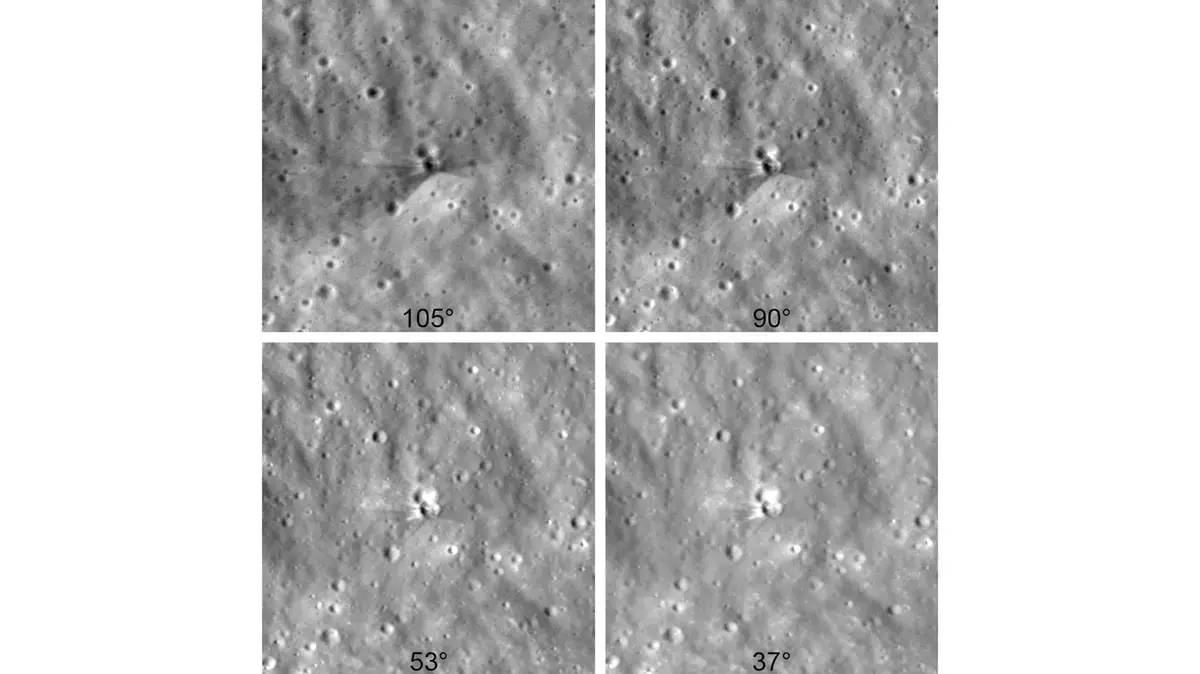
On August 5, 2026, the upper stage of a SpaceX Falcon 9 rocket collided with the lunar surface, creating a new crater. NASA's Lunar Reconnaissance Orbiter captured images of the impact site, providing valuable data about the event. This crash marks a significant moment in space exploration history.
Breaking news
 Town AI Secures $108 Million Series B, Valued at $1 Billion After $55 M Pre‑Series
 Apple Prepares for Major Product Launch Event on October 28
 Apple Releases Release Candidates for watchOS, tvOS and visionOS 27.2
 Apple Limits iPhone Duo and iPhone 18 Pro Max to Reservation-Only Sales in Japan and South Korea
The Falcon 9 rocket was launched as part of a mission to deliver payloads to orbit. After completing its tasks, the upper stage was left to drift in space. Eventually, it made an uncontrolled descent to the Moon. The resulting impact has generated interest among scientists and space enthusiasts alike.
The images taken by NASA show a crater approximately 33 feet wide. This size suggests a high-velocity impact, which is consistent with the rocket's descent speed. The Lunar Reconnaissance Orbiter's detailed photographs allow researchers to study the crater's characteristics. They can learn about the Moon's surface composition and geological history through this new feature.
How Does This Event Compare to Previous Lunar Impacts?
NASA scientists are particularly interested in how such impacts affect the lunar environment. The data collected could help inform future missions and the potential for human activity on the Moon. Understanding the consequences of rocket impacts is crucial, especially as more private companies engage in space exploration.
While impacts on the Moon are not uncommon, the Falcon 9 crash is notable due to its origin. Previous impacts have mostly resulted from natural celestial bodies. This event raises questions about the increasing presence of human-made objects on the lunar surface.
As space exploration continues to grow, the likelihood of rocket debris impacting the Moon increases. This incident serves as a reminder of the need for responsible practices in space missions. Experts are calling for guidelines to manage the debris produced by launches and landings.
The consequences of this impact could influence future lunar exploration. As more missions head to the Moon, understanding the effects of human activity will be vital. The data gathered from this crater may shape policies and practices for safer, more sustainable exploration.
Frequently Asked Questions
What caused the Falcon 9 rocket to crash on the Moon? The upper stage of the Falcon 9 rocket was left in a trajectory that led it to collide with the Moon after completing its mission.
How can NASA study the new crater? NASA will analyze the images captured by the Lunar Reconnaissance Orbiter to gain insights into the Moon's surface and geological history.
What are the implications of this event for future lunar missions? This incident highlights the importance of managing space debris and understanding the impact of human activities on the Moon as exploration efforts expand.