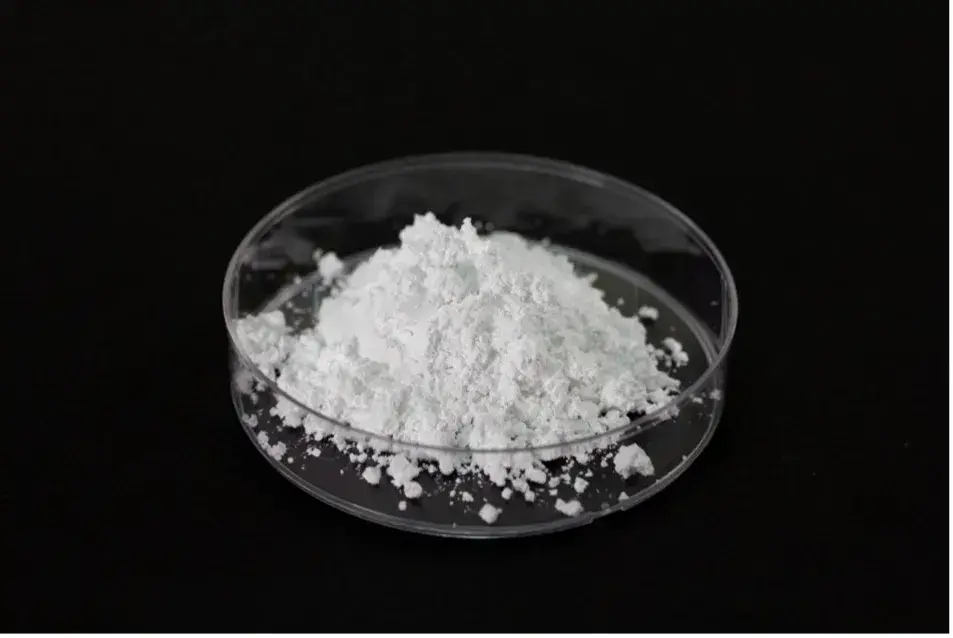
Balancing Thermal Stress in Growing Packages
As semiconductor packages, interposers, and panels grow larger, warpage has emerged as a critical manufacturing constraint. Engineers are turning to negative thermal expansion materials to stabilize these complex structures. These specialized compounds help maintain dimensional integrity during temperature fluctuations. The technology is now commercially available for use in advanced packaging applications.
Breaking news
 Canonical’s Web Presence Hit by Second DDoS Assault This Year
 Loops AI Secures $3.5 Million to Power a New AI Operating System for E‑Commerce
 Winverse AI Secures Tens of Millions in Seed Funding from DeepSeek and Long‑Z
 Google Adds Pixel 9 Series to Certified Refurbished Store
Warpage occurs when different materials within a package expand or contract at varying rates. This mismatch creates mechanical stress that can distort the final product. Larger substrates exacerbate the problem, making traditional solutions insufficient. Negative thermal expansion materials offer a counterbalance to standard positive expansion. They shrink when heated, offsetting the growth of surrounding components. This balance reduces the net deformation of the assembly.
The core challenge lies in managing the coefficient of thermal expansion across diverse layers. Standard molding compounds and underfills typically expand when temperatures rise. This behavior conflicts with the needs of rigid, large-format packages. New NTE materials introduce a shrinking force that acts as a mechanical brake. By integrating these materials into the stack, designers can neutralize the cumulative expansion. This approach improves the overall thermal stability of the device. It allows for more reliable operation across a wider temperature spectrum.
Can Broader Adoption Overcome Compatibility Hurdles?
Commercial adoption is currently in its early stages. Manufacturers are beginning to integrate these materials into production lines. However, widespread use faces specific technical hurdles. The effectiveness of NTE materials depends heavily on the operating temperature range. They must remain stable and functional within the specific thermal limits of the application. Furthermore, compatibility with existing materials is a significant concern. Different compounds must work together without causing delamination or chemical reactions. Engineers must carefully match the properties of the NTE material with the rest of the package stack.
The transition to NTE materials is not a simple drop-in replacement. It requires a fundamental rethinking of material selection. Designers must evaluate how the new compounds interact with current processes. The temperature range over which the NTE effect is active is a key limitation. If the material does not respond correctly at the target temperatures, it may fail to prevent warpage. Compatibility issues can lead to long-term reliability problems in the field. Therefore, rigorous testing is essential before full-scale deployment.
Frequently Asked Questions
The outlook for this technology is promising but cautious. As package sizes continue to increase, the demand for warpage mitigation will grow. NTE materials provide a viable path forward for high-performance computing and advanced packaging. However, the industry must solve the issues of temperature specificity and material compatibility. Broader adoption will depend on these factors being resolved. Success will allow for larger, more complex packages without sacrificing structural integrity. The long-term goal is a seamless integration that enhances performance and reliability.
How do negative thermal expansion materials reduce warpage? These materials shrink when heated, which counteracts the expansion of standard packaging components. This opposing force helps maintain the flatness and dimensional stability of the package.
What are the main barriers to widespread use? The primary obstacles are the limited effective temperature range and compatibility with other materials. Engineers must ensure the NTE material works well with existing molding compounds and underfills.