Hidden Surveillance Mechanics
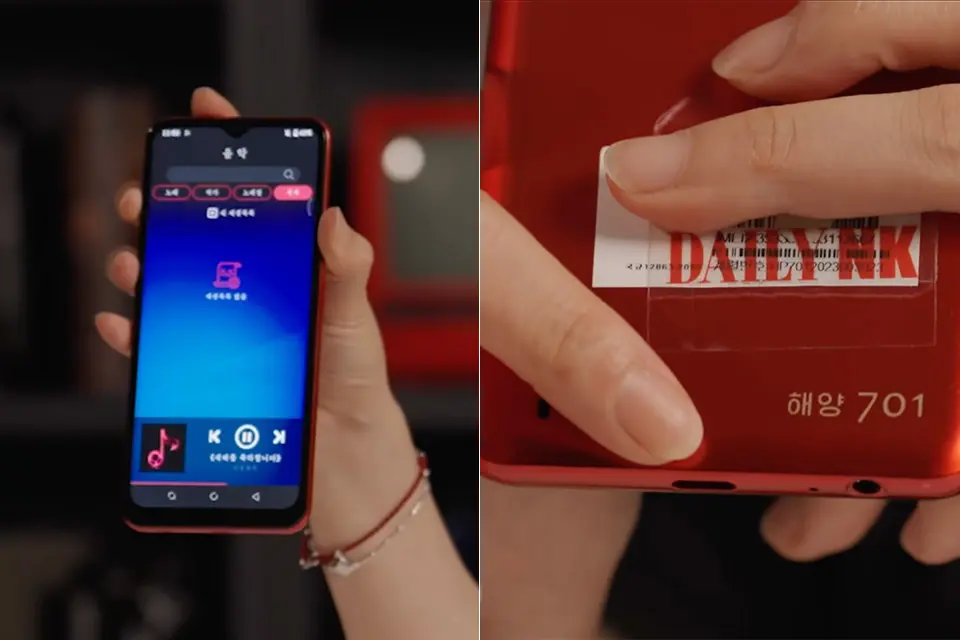
A Seoul-based newsroom recently provided a Wall Street Journal reporter with a mid-tier smartphone smuggled out of North Korea in 2023. The device, identified as a Hyang 701, costs approximately $250 on the black market. It reveals a hidden feature that quietly captures user activity without their knowledge. This discovery highlights the surveillance capabilities embedded in the country's domestic technology ecosystem.
Breaking news
 Town AI Secures $108 Million Series B, Valued at $1 Billion After $55 M Pre‑Series
 Apple Prepares for Major Product Launch Event on October 28
 Apple Releases Release Candidates for watchOS, tvOS and visionOS 27.2
 Apple Limits iPhone Duo and iPhone 18 Pro Max to Reservation-Only Sales in Japan and South Korea
The phone operates on a customized operating system designed for strict state control. While it resembles standard Android devices, it includes proprietary software layers. These layers allow the manufacturer to monitor usage patterns closely. The hidden album stores images of the screen at specific intervals. Users cannot easily access or delete these files through the standard gallery app. This creates a digital trail of every app opened and message read.
The secret album functions as a silent witness to daily life. When a user opens a messaging application or browses the web, the system takes a snapshot. These images are saved to a protected folder within the internal storage. The folder remains invisible unless the user navigates to specific system directories. This design ensures that even tech-savvy citizens might miss the evidence. The feature likely serves two primary purposes for the state. First, it helps verify that citizens use approved applications only. Second, it provides data for analyzing consumer behavior and preferences.
Why Does the State Monitor Every Click?
The Hyang 701 represents a significant step in North Korean hardware development. Previous models often lagged far behind global competitors. This device, however, integrates advanced monitoring tools directly into the firmware. The $250 price tag suggests it targets the elite class or foreign visitors. These groups require reliable communication but remain under intense scrutiny. The phone’s existence confirms that Pyongyang prioritizes digital sovereignty over raw processing power. It values data collection over speed or battery life.
Surveillance in North Korea extends well beyond physical checkpoints. Digital monitoring complements traditional intelligence gathering methods. Officials need to know who talks to whom and when. The secret album provides visual proof of interactions. If a user deletes a text message, the screenshot remains. This makes it difficult to hide conversations from authorities. The technology also helps track the spread of information. By analyzing screen captures, analysts can identify viral trends or dissenting views. The system turns every smartphone into a potential informant.
This level of intrusion raises concerns about privacy standards. In most countries, such features would trigger regulatory reviews. In North Korea, transparency is not a priority. The state owns the infrastructure and the devices. Consequently, users have little recourse if they discover the hidden folder. The feature demonstrates a shift toward proactive digital policing. It moves from checking logs after an incident to capturing evidence in real time. This approach strengthens the regime's grip on its population.
Frequently Asked Questions
How does the secret album store screenshots? The system saves images to a protected directory within the internal memory. Standard gallery applications do not display this folder by default. Users must access system-level file managers to view the captured screens.
Who receives the data from these phones? The data likely feeds into central government servers for analysis. Local officials may also review individual device logs during inspections. The exact transmission protocol remains unclear due to limited public documentation.
Is this feature unique to the Hyang 701? While specific to this model, similar mechanisms exist in other domestic brands. The core concept of hidden logging appears across the national smartphone lineup. Manufacturers implement variations based on their target user segments.