The forgotten revolution: How a 41-megapixel phone changed how we see the world
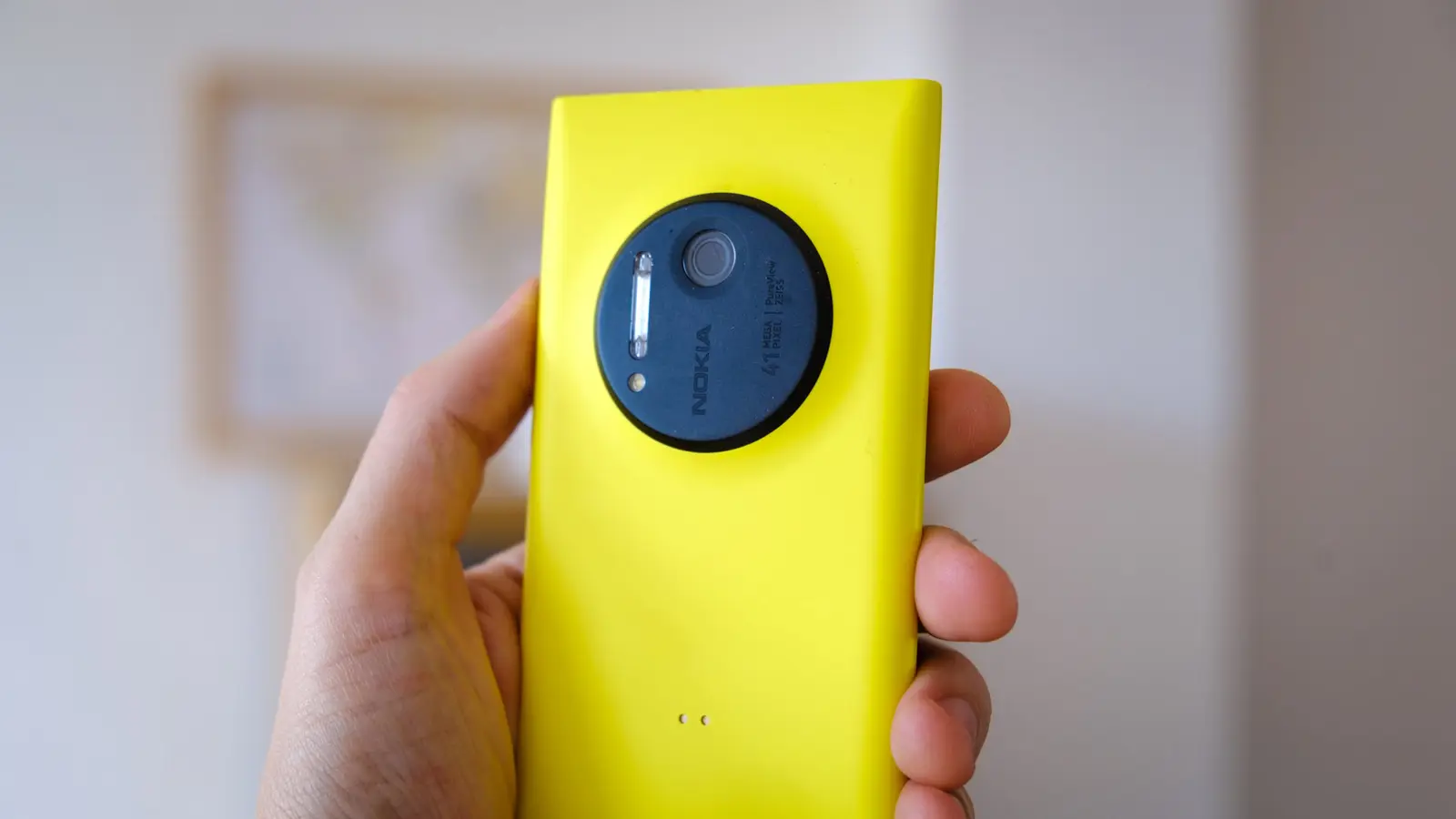
In an era where smartphones feel monotonous, it is easy to feel nostalgic for older devices. Today’s flagships are remarkable, but updates usually mean faster processors, better cameras, and brighter screens. Rarely does a new phone make you stop and gasp. As the market commoditized, that sense of wonder seemed destined to disappear. Ten years ago, things were different. Phone makers experimented with everything, from modular designs to 3D displays. Some ideas were terrible, while others became standard in today’s phones. For me, no other phone captured that innovative spirit like the Nokia Lumia 1020.
Breaking news
 Stockholm AI Firm Green Voltis Secures €13.5 Million Series A to Expand Battery‑Storage Trading Across Europe
 VÆRIDION Secures €124 Million for Electric Regional Aviation
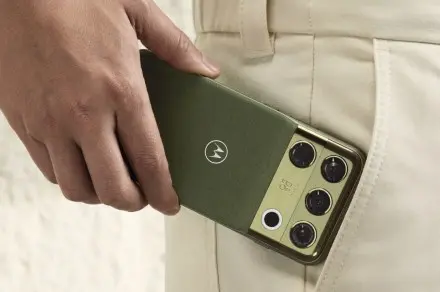 Motorola Signature 27: The $1,599 Flagship That Dares to Challenge Apple and Samsung
 Discord is moving its desktop app from Electron to Rust for improved speed and memory safety; its CTO shares an image of the new interface
The camera that broke the rules
What I miss most from older phones is a camera that broke the rules. I owned the yellow version, which was vibrantly bright and bold. When most phones were black plastic rectangles, the Lumia 1020 looked like nothing else on the market. Was it a bit noisy? Sure. But who said technology has to be boring? I prefer to call it unapologetically different. More importantly, it was a phone that put photography before almost everything else — and I loved it precisely for that.
The Lumia 1020 launched in 2013, right at the start of the megapixel race. The i Phone 5s had an 8MP camera, while the Samsung Galaxy S4 offered 13MP. Nokia decided that 41MP was a perfectly reasonable number to put on a phone. The Lumia 1020 was a device that made you think about photography before pressing the shutter. But that number did not appear out of thin air. Nokia had previously used this sensor on the Nokia 808 PureView, powered by Symbian — another favorite of mine. That huge PureView sensor was not just a marketing trick. Nokia used oversampling to combine information from multiple pixels into a sharper 5MP image. The result was a photo that retained impressive detail, even when zoomed or cropped. Oversampling and computational photography are now standard, but these phones pioneered the technique and delivered results that still hold up today.
The 41-megapixel sensor
The camera was about more than megapixels. It had optical image stabilization for steady shots and longer exposures. It also featured a xenon flash that could freeze motion in low light — a feature I would love to see return. The phone also had true manual controls which, combined with a manual shutter, made a tangible difference in results. Instead of just pointing and pressing the shutter, you could use the two-stage shutter button. I trusted the Lumia 1020 so much that it was often my only camera when traveling the world.
More than just megapixels
Taking a photo was not particularly fast. The camera took its time processing those huge images, and the experience could feel slow compared to what we are used to today. But that was a limitation of slower processors and image processing chains. And you know what? It did not bother me at all. The photos were worth it. Taking a picture felt deliberate, almost like using a dedicated camera. Sure, I used an SLR alongside it, but I trusted the phone at concerts or while traveling. More than that, the Lumia 1020 served as the team’s behind-the-scenes camera at my own wedding. It was that good. Of course, by modern standards, the dynamic range was not at its peak. But you know what? I made it work. Adding incredible tuning, you got results with a CCD film look from the 41MP CMOS sensor that still holds up today.
The experience of taking a photo
Just look at the selection of camera samples I included as proof.
The hardware that matched the camera
The rest of the design was equally good. Nokia used a polycarbonate unibody that felt excellent in the hand and did not have the fragile, slippery feel of today’s glass-backed phones. Things got even better with the official camera grip. This added a proper handle, an extra battery, a tripod mount, and a two-stage shutter button. You could half-press the button to lock focus before fully pressing to take a shot. The official camera grip. Honestly, that grip and the Lumia 1020 together made the phone feel like the point-and-shoot camera it was. My only complaint then and now was Nokia’s use of rubber, which did not age well. It became sticky in heat, and after 13 years, it had completely degraded and crumbled. That is unfortunate.
Say what you want about Windows Phone, but I believe it was an excellent operating system, launched under the wrong team and at the wrong time. The Lumia 1020 ran Windows Phone 8, an OS I still consider one of the most beautiful mobile platforms ever created. Instead of copying the app grid used by Android and iOS, Microsoft built the interface around Live Tiles. The home screen could display photos, messages, and other updates without forcing you to open individual apps. The interface was clean, colorful, and full of personality. But the app gap was real, and although Microsoft tried, there was no room for a third platform at a time when the Android and iOS duopoly was accelerating the transition from basic phones to smartphones, courting app developers across the spectrum.
Windows Phone made it even better
I was willing to tolerate Windows Phone’s drawbacks because the rest of the experience