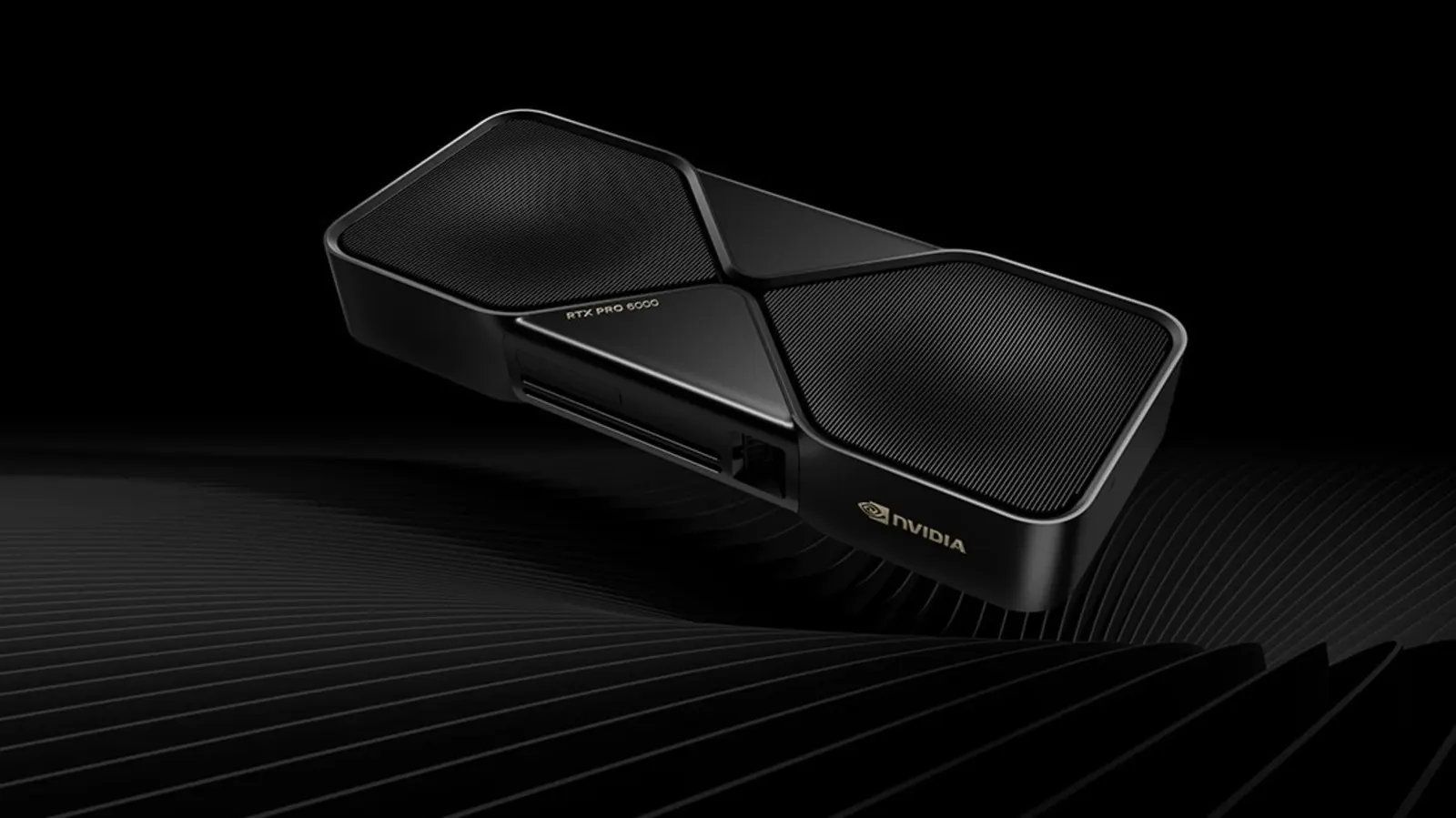
Enterprise Features Drive the Premium Price Point
NVIDIA has released the RTX PRO 6000, a high-end graphics card priced at approximately $16,000. This new hardware significantly outperforms the consumer-focused RTX 5090 in raw processing power. However, the company designed this specific model primarily for professional workloads rather than gaming enthusiasts. The release highlights a distinct gap between top-tier enterprise needs and standard consumer expectations in the current market.
Breaking news
 Canonical’s Web Presence Hit by Second DDoS Assault This Year
 Loops AI Secures $3.5 Million to Power a New AI Operating System for E‑Commerce
 Winverse AI Secures Tens of Millions in Seed Funding from DeepSeek and Long‑Z
 Google Adds Pixel 9 Series to Certified Refurbished Store
The RTX PRO 6000 serves as the apex of NVIDIA’s professional lineup. It features advanced memory configurations and cooling systems that go beyond what typical desktop users require. While the RTX 5090 remains the king for high-end gaming, the PRO 6000 targets studios, researchers, and developers. These users need maximum stability and speed for rendering, simulation, and AI tasks. The price tag reflects this specialized utility, positioning the card as a premium tool for heavy-duty creative and scientific applications.
The cost of the RTX PRO 6000 is not arbitrary. It includes specific architectural advantages that justify the expense for businesses. Professional cards often come with larger memory buffers, which allow for handling massive datasets without bottlenecks. This is critical for 3D animation, video editing, and machine learning training. Unlike consumer cards, which prioritize frame rates in games, the PRO series focuses on sustained performance under load.
Is the Gap Between Consumer and Pro Cards Widening?
NVIDIA also provides enhanced driver support and certification for professional software. This ensures compatibility with industry-standard tools used in film production and engineering. The cooling solutions are designed for long-duration tasks, maintaining optimal temperatures even when running for days. For a game developer or a data scientist, these reliability factors outweigh the marginal gains in gaming benchmarks. The hardware acts as an investment in workflow efficiency rather than just a performance upgrade.
The distinction between consumer and professional GPUs has become more pronounced in recent years. The RTX 5090 offers excellent value for gamers and content creators who do not require extreme memory capacity. However, the jump to the PRO 6000 represents a significant leap in capability and cost. This strategy allows NVIDIA to segment its market effectively. It prevents competition within its own product lines while capturing high-margin enterprise sales.
Consumers might wonder why they cannot buy the best chip available. The answer lies in the target audience. Most gamers do not need the extra memory bandwidth or error-correcting features found in professional cards. Buying a $16,000 GPU for gaming is generally considered overkill. Instead, the card serves a niche but vital role in industries where computational speed directly impacts revenue. The separation ensures that each product line meets specific user requirements without unnecessary complexity.
Frequently Asked Questions
Why is the RTX PRO 6000 so expensive? The high price reflects its large memory capacity and professional-grade reliability features. These components are essential for handling massive datasets in AI and rendering tasks. It is built for sustained, heavy workloads rather than bursty gaming sessions.
Can gamers use the RTX PRO 6000? Yes, it will run games faster than the RTX 5090 due to superior hardware. However, most gamers will not see a meaningful difference in visual quality or frame rates. The cost is usually too high for the marginal benefit gained in gaming scenarios.
How does it compare to the RTX 5090? The PRO 6000 offers higher raw performance and significantly more video memory. It is optimized for professional applications like CAD and video editing. The RTX 5090 remains the preferred choice for pure gaming performance per dollar spent.