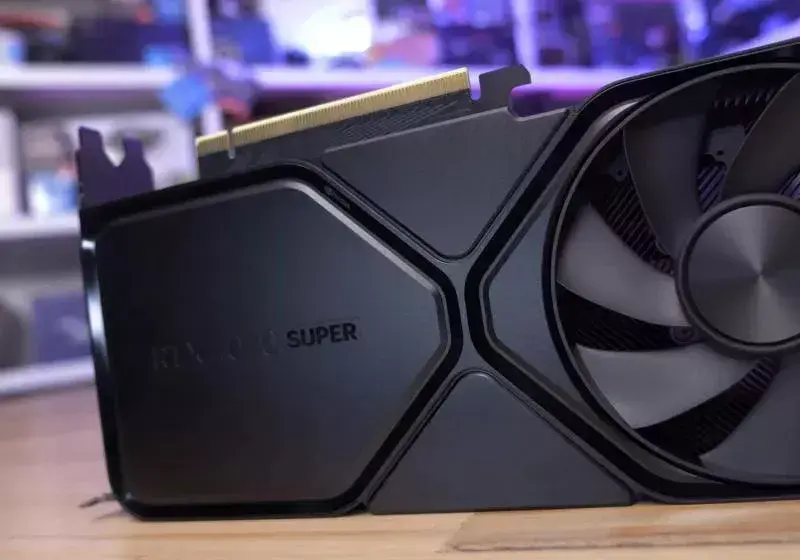
The High Cost of Advanced Memory
Nvidia's upcoming RTX 5000 Super graphics cards might be ready for production. However, a crucial component is causing a significant holdup. New 3GB GDDR7 memory modules are reportedly three times more expensive than standard 2GB modules. This cost difference is forcing Nvidia to reconsider its plans.
Breaking news
 Town AI Secures $108 Million Series B, Valued at $1 Billion After $55 M Pre‑Series
 Apple Prepares for Major Product Launch Event on October 28
 Apple Releases Release Candidates for watchOS, tvOS and visionOS 27.2
 Apple Limits iPhone Duo and iPhone 18 Pro Max to Reservation-Only Sales in Japan and South Korea
The high price of these advanced memory chips is creating a dilemma for the company. Nvidia may be hesitant to launch the new GPUs with such high component costs. This could impact the final retail price for consumers.
Will Nvidia Compromise on Memory Configuration?
Reports suggest that Nvidia has informed its board about this issue. The 3GB GDDR7 modules offer improved performance but come at a premium. This premium is substantially higher than the cost of current 2GB GDDR7 modules. The increased memory cost directly affects the overall manufacturing expense of each graphics card.
This situation puts Nvidia in a difficult position. They must balance cutting-edge technology with market competitiveness. A higher production cost could translate into higher prices for gamers and professionals. This might make the new GPUs less appealing.
# What is causing the delay for Nvidia's RTX 5000 Super GPUs?
It remains unclear how Nvidia will proceed. They might choose to absorb some of the extra cost. Another option could be to pass the full cost onto consumers. A third possibility involves adjusting the memory configurations of the RTX 5000 Super series. They might opt for less expensive, smaller capacity modules.
# How does the expensive memory affect Nvidia's plans?
This decision will have significant implications for the next generation of graphics cards. Consumers are eager for new hardware, but price remains a key factor. Nvidia's strategy will determine the accessibility and performance of its new lineup.
The primary reason for the delay is the high cost of the new 3GB GDDR7 memory modules. These advanced memory chips are reportedly three times more expensive than current 2GB modules, impacting production costs.
# What are the potential consequences for consumers?
The increased cost of GDDR7 memory forces Nvidia to re-evaluate its launch strategy. They must decide whether to absorb the cost, pass it to consumers, or alter the memory configurations of the new GPUs.
Consumers might face higher prices for the RTX 5000 Super GPUs if Nvidia passes on the increased memory costs. Alternatively, the company might adjust memory specifications, potentially affecting performance.