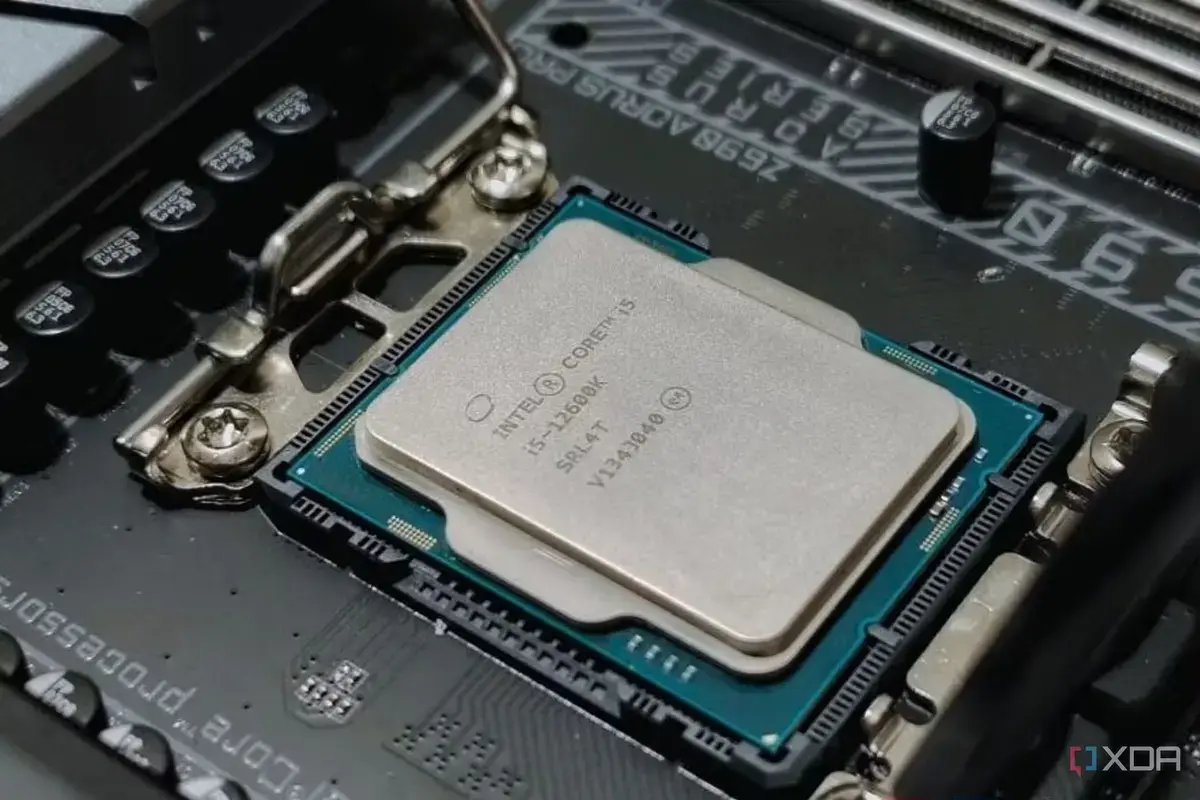
Are Older CPUs Still Viable?
As the RAM crisis continues, older CPUs are proving to be more capable than ever, making upgrades unnecessary for many users. The current memory shortage has led to a situation where older processors are still more than sufficient for most tasks. Many consumers are holding onto their existing hardware.
Breaking news
 China’s Tech Titans Spend $35 B on Nvidia RTX Pro 5500 GPUs
 Qualcomm to Execute Global Layoffs Following Annual Performance Reviews
 Salesforce to Buy Braze for $5.7 Billion
 Microsoft expands sovereign cloud with EU access controls and offline AI
Processors from a few years ago are still delivering satisfactory performance, thanks in part to the fact that many modern applications are not optimized to take full advantage of the latest CPU architectures. As a result, the performance difference between older and newer CPUs is not as significant as it once was. The RAM crisis has also driven up the cost of memory, making it even more economical to stick with existing hardware.
Can the RAM Shortage Change the Upgrade Cycle?
The current RAM shortage is having a profound impact on the way people think about upgrading their computers. With memory prices skyrocketing, many users are finding that their older CPUs are still more than capable of handling their computing needs. This has led to a shift in focus away from CPU upgrades and towards other components, such as storage and graphics cards.
The net result is that many users are likely to hold onto their existing CPUs for longer than they might have otherwise, potentially altering the traditional upgrade cycle. As the industry adapts to the new reality, it's likely that we'll see a greater emphasis on optimizing software for existing hardware.
Will my old CPU become obsolete soon? No, with the current RAM crisis, older CPUs are still viable. Many applications aren't optimized for the latest architectures.
Frequently Asked Questions
Should I upgrade my RAM instead? Yes, if you're experiencing performance issues, adding more RAM can be beneficial. However, with prices high, it may not be feasible.
Can I still get good performance from my older CPU? Yes, many modern applications aren't CPU-intensive, so older processors can still deliver satisfactory performance.