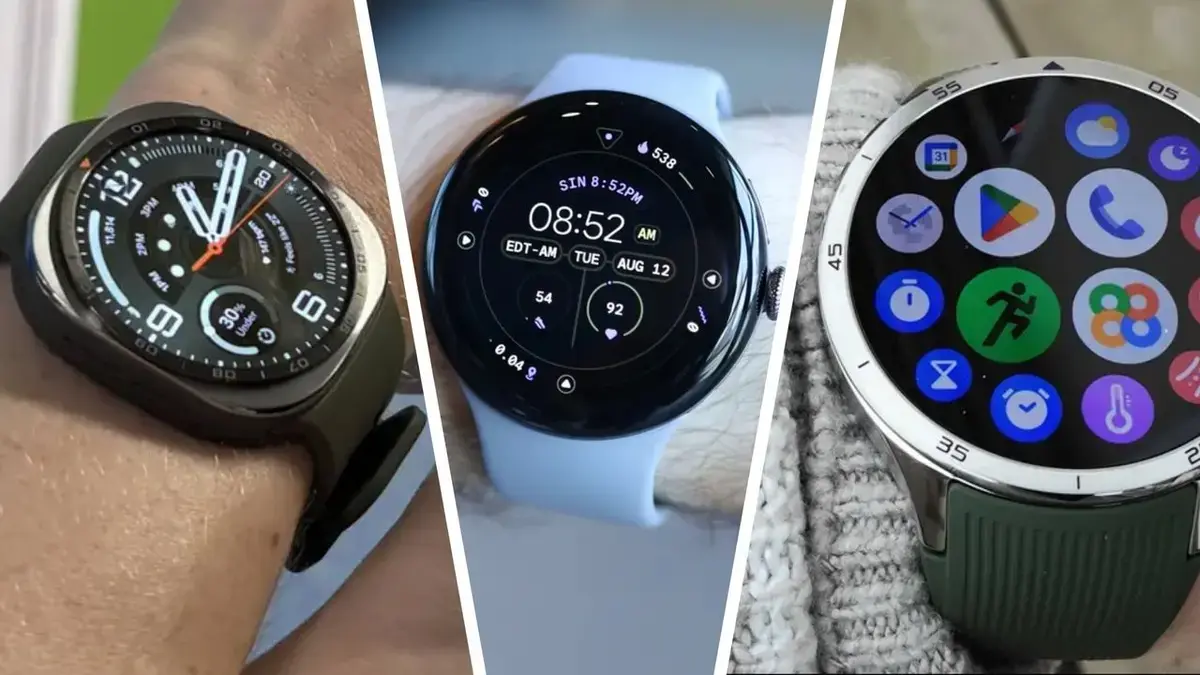
Rugged contenders for the outdoor enthusiast
Google unveiled the Pixel Watch 5 at the Made by Google event, highlighting new health tools like Breathing Emergency Detection and Insulin Resistance Trends. The 41 mm model starts at $399.99 (≈£369, AU$565) and boasts dual‑band GPS for improved accuracy.
Breaking news
 Canonical’s Web Presence Hit by Second DDoS Assault This Year
 Loops AI Secures $3.5 Million to Power a New AI Operating System for E‑Commerce
 Winverse AI Secures Tens of Millions in Seed Funding from DeepSeek and Long‑Z
 Google Adds Pixel 9 Series to Certified Refurbished Store
Early reviewers praised the health sensors but criticized the premium price and modest battery life. Android users seeking a Wear OS experience now have several alternatives that deliver comparable features at lower cost. Our hands‑on testing focused on durability, design, and health tracking performance.
The TicWatch Pro 3 stands out with a stainless‑steel frame and a dual‑display system that conserves power. In real‑world trials it lasted over two days with continuous GPS use, far exceeding the Pixel Watch 5’s typical 24‑hour run. Its temperature and altitude sensors proved reliable on mountain hikes, and the watch survived a drop from a 1.2 m height without damage.
Samsung’s Galaxy Watch 6 offers a sleek design paired with an IP68 water‑resistance rating, making it suitable for swimmers and divers. The device’s BioActive sensor captured heart‑rate and SpO₂ data with a margin of error similar to the Pixel Watch, yet its battery held a full charge for 40 hours under mixed usage. Samsung’s One UI Watch interface feels smoother, and the rotating bezel adds tactile navigation that many users prefer.
Which Android smartwatch offers the best value for health tracking?
For those on a tighter budget, the Fossil Gen 6 delivers a classic analog look with a vibrant AMOLED screen. Priced around $229, it includes the latest Snapdragon Wear 4100+ chipset, ensuring responsive app performance. Health tracking was solid, though its stress‑monitoring algorithm lagged behind the Pixel’s newest features. Nevertheless, its battery life of 1.5 days and robust build quality make it a compelling entry point for Wear OS newcomers.
When comparing health metrics, the Pixel Watch 5 leads with its advanced insulin resistance analysis, a feature not yet replicated by competitors. However, the Galaxy Watch 6’s comprehensive sleep staging and continuous blood‑oxygen monitoring provide a broader picture for everyday wellness. The TicWatch Pro 3, while lacking the Pixel’s specialized sensors, still delivers accurate heart‑rate and VO₂ max estimates, and its longer battery life ensures data collection over extended periods without frequent charging.
Overall, the Galaxy Watch 6 strikes the best balance between price, health functionality, and user experience. It undercuts the Pixel Watch 5 by roughly $100 while offering comparable, if not superior, fitness tracking. For users prioritizing ruggedness, the TicWatch Pro 3 remains the top pick, especially for outdoor activities where battery endurance is critical.
Frequently Asked Questions
The market for Android smartwatches is clearly diversifying. As manufacturers refine health algorithms and extend battery performance, consumers can expect more choices that match or surpass Google’s flagship offering without the premium price tag. Future updates to Wear OS may further narrow the gap, making competition a win‑win for buyers.
Is the TicWatch Pro 3 waterproof? Yes, it carries an IP68 rating, protecting it against immersion up to 1.5 meters for 30 minutes, suitable for swimming and rain.
Can the Galaxy Watch 6 track insulin resistance? No, the watch does not include dedicated insulin resistance sensors, but it provides comprehensive glucose‑related metrics through third‑party apps.
How does battery life compare across the three alternatives? The TicWatch Pro 3 lasts over 48 hours with GPS active, the Galaxy Watch 6 reaches about 40 hours under mixed use, and the Fossil Gen 6 offers roughly 36 hours before needing a recharge.