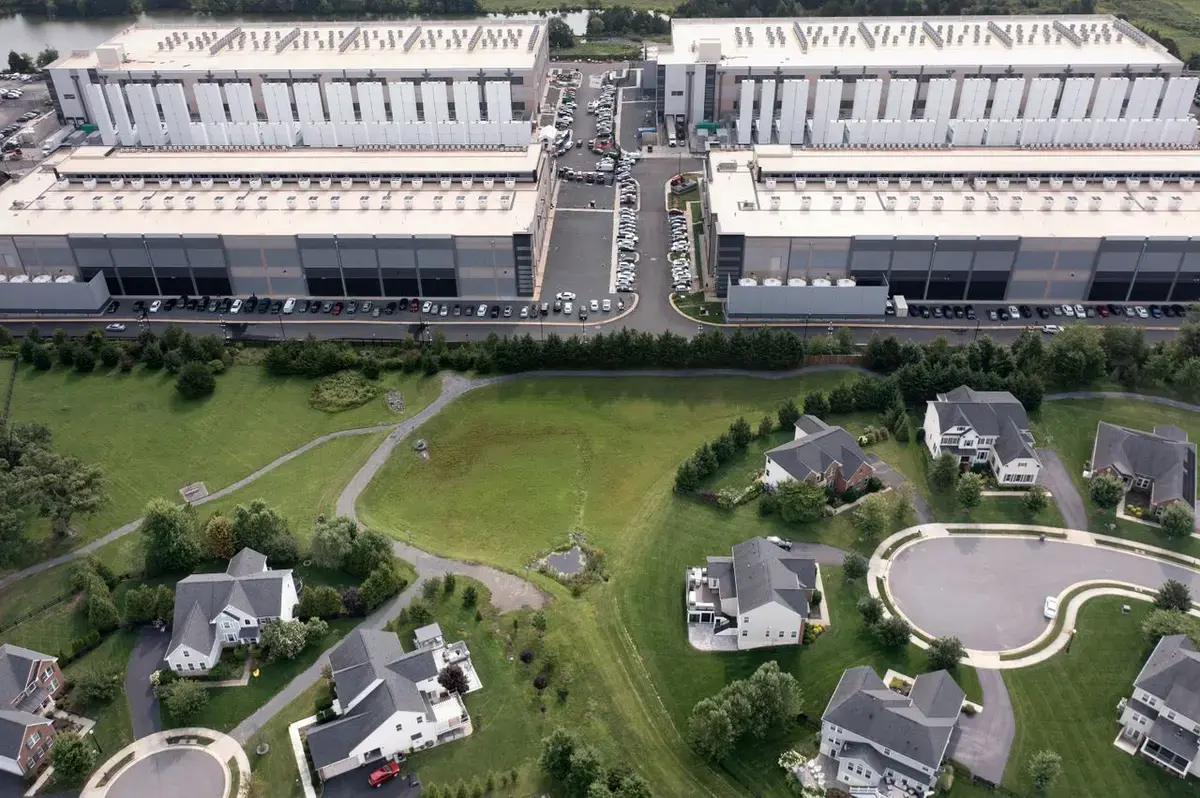
Data Centers Under Pressure: A Growing Concern for Electricity Supply
PJM Interconnection, the largest power grid in the United States, has proposed new rules to manage electricity shortages. These regulations would prioritize cutting power to new data centers that exceed 50 megawatts if they do not have their own electricity generation. The filing was submitted to federal regulators on August 17, 2026.
Breaking news
 Canonical’s Web Presence Hit by Second DDoS Assault This Year
 Loops AI Secures $3.5 Million to Power a New AI Operating System for E‑Commerce
 Winverse AI Secures Tens of Millions in Seed Funding from DeepSeek and Long‑Z
 Google Adds Pixel 9 Series to Certified Refurbished Store
The proposal aims to address growing concerns over energy consumption by large data centers. As demand for data processing and storage increases, so does the strain on the electricity grid. Under the new rules, any large data center built after June 2027 would need to secure its own power generation to avoid being disconnected during energy shortages. This move is intended to ensure existing users maintain access to electricity during peak demand periods.
Data centers have become a significant part of the tech industry, but their energy consumption has raised alarms among regulators. The PJM grid serves over 65 million people across 13 states and the District of Columbia. As these facilities expand, they threaten to overload the grid, particularly during times of high demand. By requiring new facilities to generate their own power, PJM hopes to mitigate potential outages and ensure a reliable electricity supply for all users.
Will This Rule Impact the Future of Data Centers?
The proposed regulations have sparked debate among industry stakeholders. Some argue that the requirement could stifle growth in the tech sector, as new data centers may find it challenging to invest in their own power generation. Others believe it's a necessary step to protect the grid and maintain stability in energy supply. PJM's initiative reflects a growing trend among utility providers to prioritize sustainability and reliability in the face of climate change and increasing energy demands.
The implications of PJM's proposal could be far-reaching. If approved, it may set a precedent for other regional grids to follow suit, potentially reshaping the landscape of data center operations across the country. Companies may need to rethink their infrastructure strategies, considering the added costs and logistics of securing independent power sources.
As the energy landscape evolves, data centers must adapt to new regulations and expectations. The requirement for self-sufficiency in power generation may lead to innovative solutions, such as the adoption of renewable energy sources. However, it also poses challenges for tech companies that rely on centralized power sources to operate efficiently.
The future of data centers in the U. S. may hinge on how well they can navigate these new regulations. If they can successfully implement independent power solutions, they may thrive. Conversely, failure to adapt could lead to significant disruptions in their operations.
Frequently Asked Questions
What is PJM Interconnection? PJM Interconnection is the largest electricity grid in the U. S., serving over 65 million people across several states. It manages the flow of electricity and ensures reliability across its network.
What are the new rules for data centers? The proposed rules would require new data centers built after June 2027 to secure their own power generation. If they fail to do so, they risk being cut off during electricity shortages.
How might this affect the tech industry? The rules could challenge the growth of new data centers, as they may face higher costs and logistical hurdles in establishing independent power sources. This could lead to a shift in how tech companies approach their infrastructure planning.