Engineering Behind the Brightness Leap
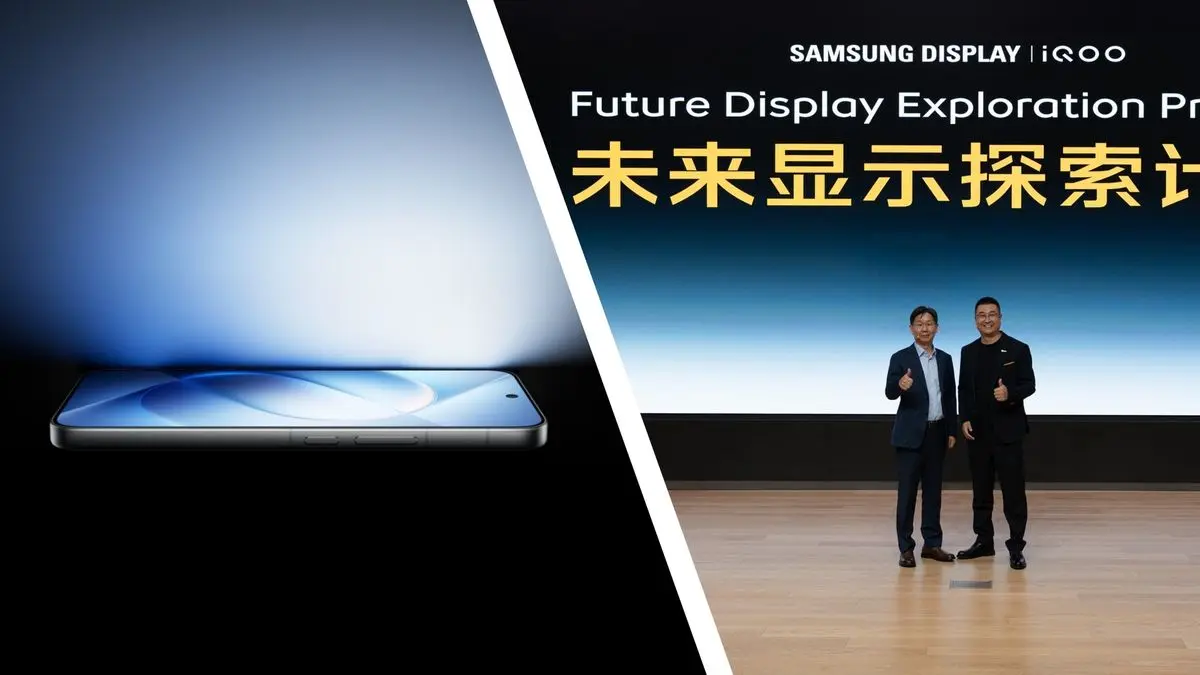
Samsung Display has revealed a next-generation OLED stack capable of reaching 10,000 nits of peak brightness. This announcement, made in September 2026, targets the high-end smartphone market first. The technology promises significant visual improvements for mobile users. It also sets the stage for future television applications. The core innovation focuses on both luminosity and power consumption.
Breaking news
 Chinese Firms Secure Over One Million Nvidia Graphics Cards for AI Development
 Accenture Market Cap Surges to $130B Ahead of Investor Day
 Paris Startup Naboo Rebrands to Target Finance and Procurement Teams
 Improving Data Integrity in Automated Document Processing
The new display architecture achieves this extreme brightness while maintaining superior energy efficiency. Samsung engineers report a 30 percent improvement in efficiency compared to previous generations. This reduction in power draw is critical for battery life in handheld devices. Users will likely notice longer screen-on times without compromising visual fidelity. The technology balances high performance with sustainable energy usage.
The breakthrough relies on a restructured organic layer stack. This design allows light to emit more effectively from the panel. Traditional OLEDs struggle with efficiency losses at high brightness levels. The new stack mitigates these losses through material optimization. It ensures that more electrical energy converts into visible light. This technical shift addresses a long-standing limitation in OLED technology. Manufacturers have historically traded brightness for efficiency. Samsung has managed to push both metrics upward simultaneously. The result is a display that is both brighter and more power-efficient.
Will TVs Benefit From This Mobile Innovation?
Industry analysts suggest this development could reshape mobile display standards. Competitors will likely accelerate their own R&D efforts. The 30 percent efficiency gain is particularly noteworthy for battery-constrained devices. It allows for higher refresh rates and sustained peak brightness. This capability supports advanced features like always-on displays and high-fidelity gaming. The technology also reduces heat generation during prolonged use. Lower thermal output contributes to device longevity and user comfort.
While smartphones are the primary initial target, televisions stand to gain significantly. Larger screens require more power to achieve high brightness levels. The improved efficiency could make high-end OLED TVs more practical. Consumers may see faster adoption of premium display tiers. The transition from mobile to home entertainment is a logical next step. Samsung Display often applies mobile innovations to larger formats. This cross-platform strategy accelerates the availability of cutting-edge tech.
The 10,000-nit capability exceeds current HDR standards for most content. This headroom ensures that future video formats will look their best. It also enhances visibility in bright indoor environments. The technology positions Samsung as a leader in high-luminance displays. As content creators adopt wider color gamuts and higher dynamic ranges, this hardware becomes essential. The market shift toward brighter displays is now accelerating.
Frequently Asked Questions
What is the peak brightness of the new Samsung OLED technology? The new stack delivers up to 10,000 nits of peak brightness. This represents a substantial increase over previous mobile display standards. It enables superior contrast and visibility in all lighting conditions.
How much does the efficiency improvement benefit battery life? The technology offers a 30 percent efficiency improvement. This allows devices to maintain high brightness for longer periods. Users can expect extended screen-on times without increasing battery size.
When will this technology appear in consumer products? Smartphones are expected to receive the technology first. Televisions will likely follow in subsequent product cycles. Specific release dates for individual devices have not been confirmed yet.