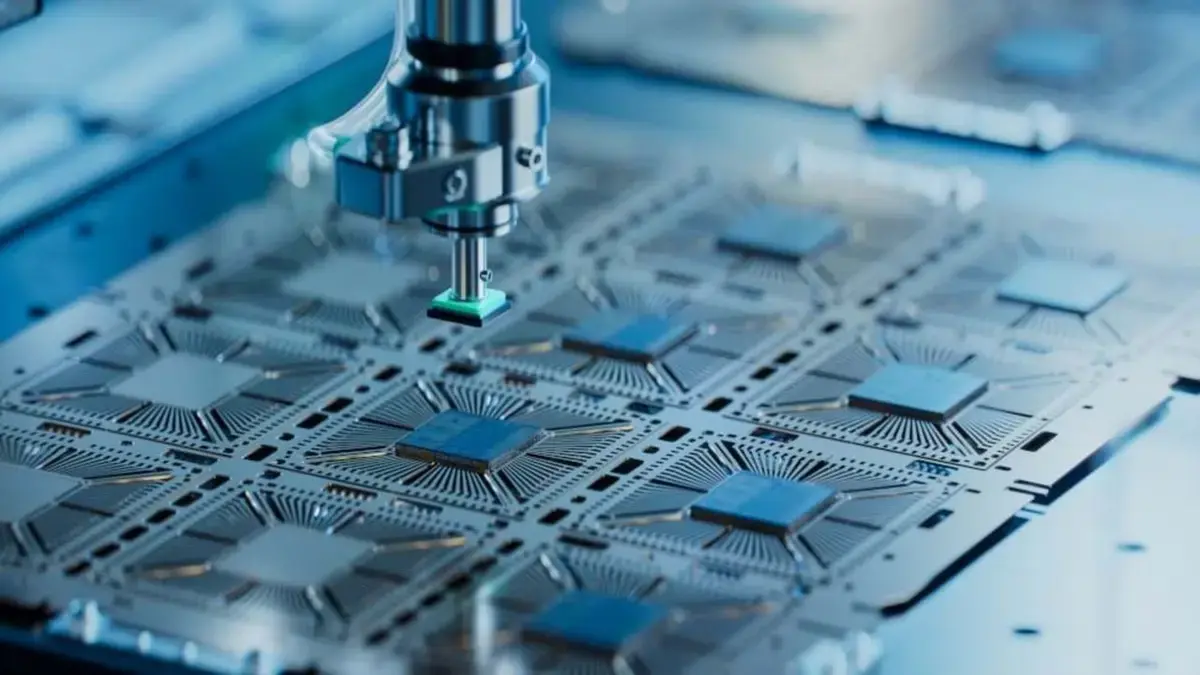
A Leaf-Inspired Computing System
Researchers at Penn State University have created a groundbreaking computer chip. This innovative device operates solely on ambient light. It functions without the need for any batteries. This development could revolutionize low-power computing.
Breaking news
 China’s Tech Titans Spend $35 B on Nvidia RTX Pro 5500 GPUs
 Qualcomm to Execute Global Layoffs Following Annual Performance Reviews
 Salesforce to Buy Braze for $5.7 Billion
 Microsoft expands sovereign cloud with EU access controls and offline AI
The team designed a monolithic 3D chip. This means all its components are integrated vertically. It harnesses light energy, much like a plant.
The chip's design draws inspiration from natural photosynthesis. It captures light from its surroundings. This energy then powers its computational tasks. It can also detect chemical signals. The chip digitizes these observations. This process allows it to computeusing environmental input.
How Does This Battery-Free Technology Work?
This technology represents a significant leap. It moves towards self-sustaining electronic devices. The chip works at a nanometer scale. This tiny size makes it suitable for many applications.
The core innovation lies in its energy harvesting. The chip converts light directly into electrical power. This power then drives its internal operations. It eliminates the need for traditional power sources. This design reduces both size and weight. It also extends device lifespan significantly.
This approach could lead to truly autonomous sensors. Imagine devices that never need recharging. They could monitor environments indefinitely. This has implications for remote sensing and IoT.
Frequently Asked Questions
What is unique about this new chip? This chip runs entirely on ambient light. It does not require any batteries. Its design mimics how plants use photosynthesis for energy.
How does the chip get its power? The chip directly converts light from its environment into electrical energy. This process powers its internal computations and sensing functions.
What are the potential uses for this technology? It could be used in self-sustaining sensors and Internet of Things devices. These devices would operate indefinitely without needing external power or battery replacements.