How Does RGB Mini-LED Compare to OLED in Real-World Use?
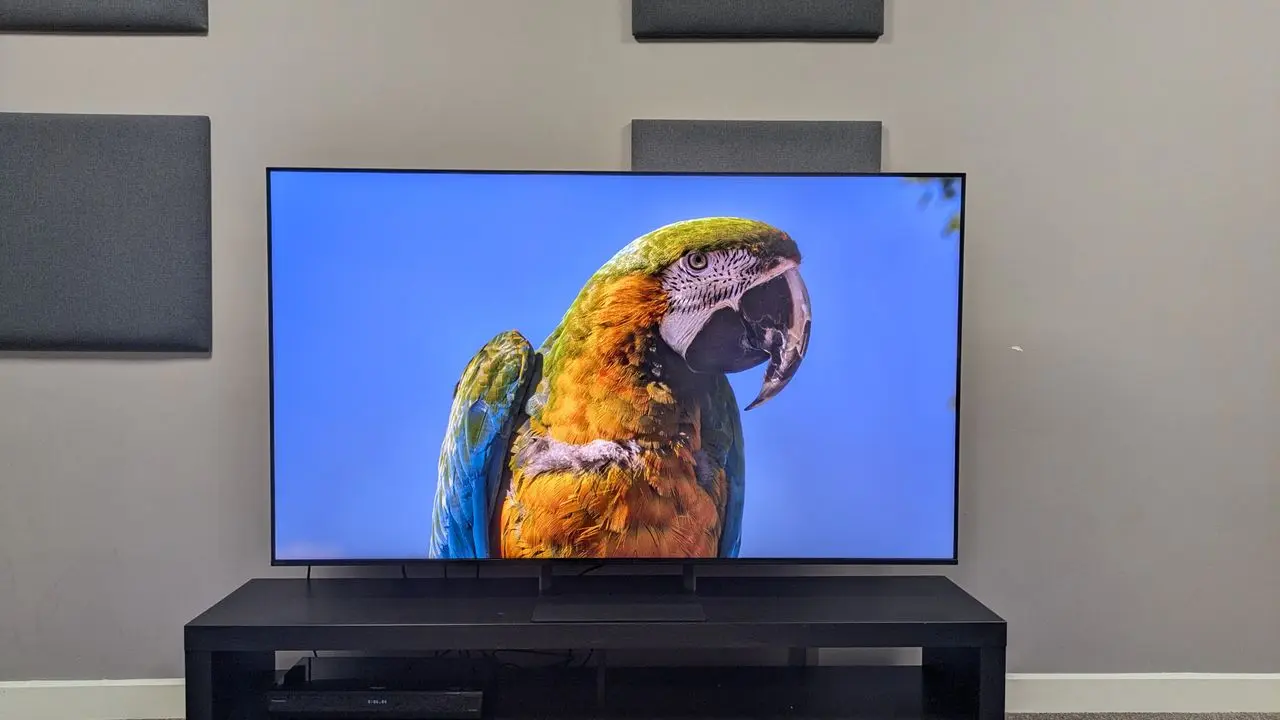
Sony’s Bravia 7 II, released in early 2026, is the company’s most affordable RGB mini-LED television to date. Priced to compete with mid-range OLED models, it aims to bring next-generation display technology to a broader audience. While not matching the peak performance of premium RGB sets, it delivers strong picture quality for its class. The TV is part of Sony’s broader push to refine RGB LED as a viable alternative to OLED in the consumer market.
Breaking news
 Town AI Secures $108 Million Series B, Valued at $1 Billion After $55 M Pre‑Series
 Apple Prepares for Major Product Launch Event on October 28
 Apple Releases Release Candidates for watchOS, tvOS and visionOS 27.2
 Apple Limits iPhone Duo and iPhone 18 Pro Max to Reservation-Only Sales in Japan and South Korea
The Bravia 7 II uses Sony’s latest RGB mini-LED backlighting system, which allows for more precise color control and improved brightness compared to traditional white LED TVs. During testing, the set demonstrated solid contrast, vibrant colors, and good handling of HDR content, particularly in brightly lit scenes. Although it doesn’t achieve the perfect blacks or infinite contrast of OLED, it comes closer than most LCD-based TVs have in recent years. The processor upscaling is effective, and motion handling remains smooth, making it suitable for both movies and gaming.
Can Affordable RGB TVs Shift the Market Balance?
In side-by-side comparisons, the Bravia 7 II holds its own against entry-level OLEVEL OLEDs in color accuracy and peak brightness, especially when viewing HDR10+ or Dolby Vision content. However, in dark room environments, OLED still maintains an edge due to its ability to turn off individual pixels completely. The Sony model shows minor blooming around bright objects on dark backgrounds, a limitation inherent to its backlight design. Still, for viewers who prioritize brightness and longevity over absolute black levels, the trade-off may be acceptable.
The Bravia 7 II suggests that RGB mini-LED technology is maturing quickly enough to challenge OLED’s dominance in the mid-tier segment. As manufacturing costs decrease and performance improves, such sets could appeal to consumers who want premium features without the burn-in risks or higher price tags associated with OLED. Sony’s strategy appears to be refining the technology at accessible price points before scaling it across its lineup. If this trend continues, RGB mini-LED could become a mainstream alternative sooner than expected.
What makes the Bravia 7 II different from other Sony TVs? It uses RGB mini-LED backlighting instead of the standard white LED found in most LCD TVs, allowing for better color precision and brightness control.
Frequently Asked Questions
Is the Bravia 7 II good for gaming? Yes, it features low input lag, support for HDMI 2.1 features like 4K/120 Hz, and effective motion handling, making it suitable for modern gaming consoles.
Does it suffer from burn-in like OLED? No, because it relies on an LED backlight rather than organic pixels, it is not susceptible to permanent image retention or burn-in.