Infrastructure Gaps Threaten Eight‑Day Cadence
SpaceX told NASA this week it intends to launch its Starship super‑heavy rocket from Kennedy Space Center every eight days, beginning later this year. The proposal follows a series of successful high‑altitude tests and aims to accelerate the company’s orbital schedule. NASA officials say the plan would require significant upgrades to launch infrastructure that is still under construction.
Breaking news
 Town AI Secures $108 Million Series B, Valued at $1 Billion After $55 M Pre‑Series
 Apple Prepares for Major Product Launch Event on October 28
 Apple Releases Release Candidates for watchOS, tvOS and visionOS 27.2
 Apple Limits iPhone Duo and iPhone 18 Pro Max to Reservation-Only Sales in Japan and South Korea
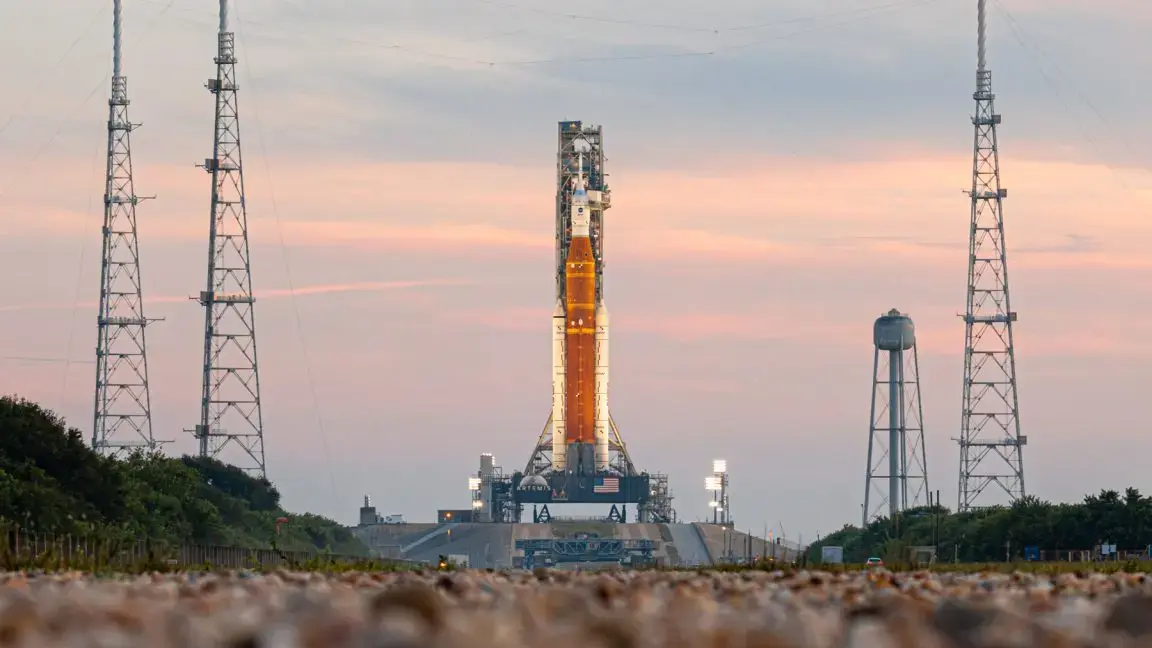
The ambitious cadence reflects SpaceX’s confidence in Starship’s reusability and its vision for rapid, low‑cost access to space. However, Kennedy’s existing pads were built for the smaller Space Launch System and need extensive modifications to accommodate Starship’s 120‑meter height and massive thrust. Engineers point to the need for stronger flame‑deflection systems, larger water deluge capacity, and reinforced concrete foundations. Without these upgrades, the pad could suffer structural damage after a single launch, jeopardizing the entire schedule.
Kennedy’s Launch Complex 39A, currently leased to SpaceX for Falcon‑Heavy operations, lacks the height and strength to support Starship’s full thrust. NASA’s own launch pad, LC‑39B, is being retrofitted for the SLS, leaving limited resources for a parallel Starship build‑out. Contractors estimate that completing the necessary pad modifications could take up to 18 months, far longer than the eight‑day interval SpaceX proposes. „We are racing against a timeline that outpaces the physical reality of the site,” said a senior NASA infrastructure manager.
Can Kennedy Keep Up With SpaceX’s Schedule?
The water suppression system, critical for protecting the pad from Starship’s 16 million‑pound thrust, must be expanded to deliver millions of gallons per minute. Current capacity is designed for a fraction of that output. Upgrading the system will involve installing new pumps, larger reservoirs, and extensive piping, all of which require additional funding and coordination with federal agencies. Delays in these upgrades could force SpaceX to revert to a more conservative launch schedule.
SpaceX’s aggressive timeline raises questions about the feasibility of sustaining an eight‑day launch rhythm at Kennedy. Industry analysts argue that even with the pad ready, operational turnaround—refueling, inspection, and crew preparation—will be a bottleneck. „Rapid cadence is a hallmark of SpaceX, but it depends on a fully functional launch site,” noted an aerospace consultant. The company’s internal testing suggests that turnaround could be as short as 24 hours, but real‑world constraints at a government facility may extend that window.
If Kennedy cannot meet the eight‑day goal, SpaceX may shift operations to its private Boca Chica site in Texas, where the company already conducts high‑frequency tests. However, moving large‑scale launches back to Florida would require political and logistical coordination, potentially slowing the broader commercial space agenda.
The outcome of this clash will shape the future of heavy‑lift missions. A successful upgrade could cement Kennedy as the premier hub for both NASA and commercial super‑heavy rockets, fostering a new era of rapid, affordable access to orbit. Conversely, prolonged delays may push the industry toward alternative launch sites, diluting the historic partnership between NASA and SpaceX.
Frequently Asked Questions
Why does Starship need a different launch pad than the SLS? Starship’s size and thrust exceed the design limits of pads built for the SLS, requiring stronger structures, larger flame‑deflection systems, and expanded water suppression.
What is the main obstacle to achieving an eight‑day launch cadence? The primary hurdle is completing the necessary pad upgrades, especially the water deluge system, within the tight schedule SpaceX proposes.
Could SpaceX launch Starship from Boca Chica instead of Kennedy? Yes, SpaceX could shift operations to Boca Chica, but doing so would involve regulatory approvals and could impact the strategic goals of NASA’s launch infrastructure.