Impact on the Tech Workforce
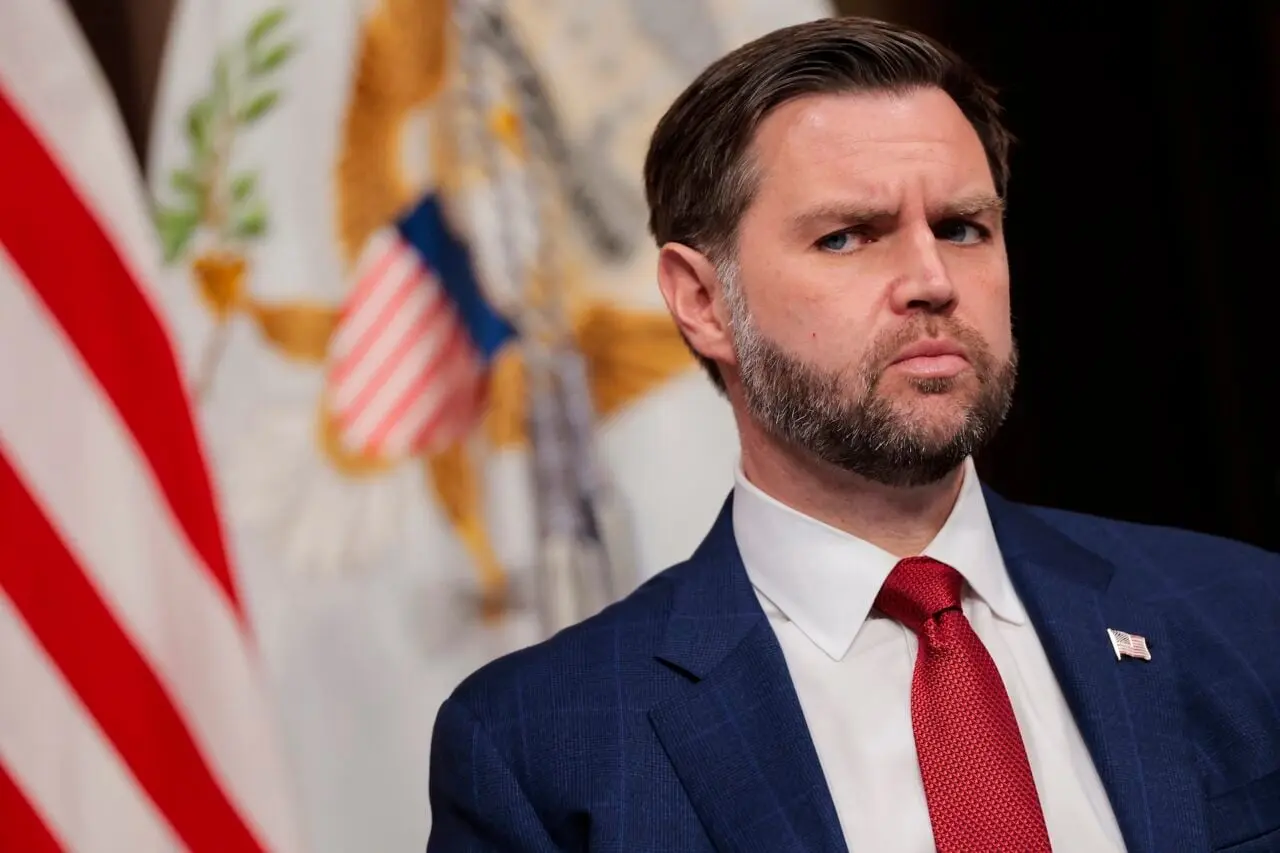
The U. S. administration announced that Microsoft and several other technology companies will no longer be able to sponsor H‑1B visa holders for permanent residency. The decision was made by Vice President J. D. Vance on Thursday, following accusations that Microsoft engaged in fraudulent practices related to its visa program. The move comes as part of a broader effort to tighten immigration policies for tech workers.
Breaking news
 Canonical’s Web Presence Hit by Second DDoS Assault This Year
 Loops AI Secures $3.5 Million to Power a New AI Operating System for E‑Commerce
 Winverse AI Secures Tens of Millions in Seed Funding from DeepSeek and Long‑Z
 Google Adds Pixel 9 Series to Certified Refurbished Store
The policy change was unveiled during a briefing in Washington, where Vance criticized Microsoft for allegedly misrepresenting the qualifications of its H‑1B employees. He claimed the company had repeatedly submitted false documentation to secure green‑card sponsorships. The suspension applies to all U. S. employers who use the Department of Labor’s program to transition H‑1B workers to lawful permanent status. The policy is expected to take effect immediately, affecting thousands of employees across the tech sector.
The decision threatens to disrupt the careers of many skilled immigrants who rely on employer sponsorship to remain in the United States. Microsoft’s workforce includes over 10,000 H‑1B employees, many of whom have been with the company for several years. The suspension may force these workers to seek alternative employment or risk losing their legal status. Smaller firms that depend on H‑1B talent could also feel the strain, as the new restrictions limit their ability to attract and retain highly skilled staff.
How Will Microsoft Respond?
The move could also influence the broader tech industry’s hiring strategies. Companies may shift toward hiring from the U. S. labor market or exploring other visa categories that are not subject to the same restrictions. Analysts predict that the policy could reduce the number of H‑1B workers in the tech sector by up to 15 percent over the next two years, potentially slowing innovation and product development.
Microsoft has not yet issued a formal statement regarding the suspension. Industry insiders suggest the company may appeal the decision or seek clarification from the Department of Labor. In the meantime, Microsoft’s human‑resources department is reportedly reviewing its current H‑1B cases to ensure compliance with the new rules. The company may also accelerate its efforts to hire domestic talent and diversify its recruitment pipeline.
The policy could set a precedent for other large employers. If the Department of Labor enforces similar restrictions on companies that submit questionable documentation, tech firms may be compelled to tighten their internal controls. This could lead to stricter verification processes and a more transparent relationship between employers and immigration authorities.
Frequently Asked Questions
What does the suspension mean for current H‑1B workers at Microsoft? The suspension stops the company from sponsoring these workers for green cards. Employees must find other sponsors or change their visa status to maintain legal residency.
Will this affect Microsoft’s ability to hire new H‑1B talent? Yes. The company cannot use the green‑card sponsorship route for new hires, which may limit its ability to bring in specialized foreign talent.
Could other tech firms face similar restrictions? Potentially. The decision signals a stricter stance on immigration compliance, and other companies that submit questionable documentation may be targeted next.