Hardware Polish Meets Software Friction
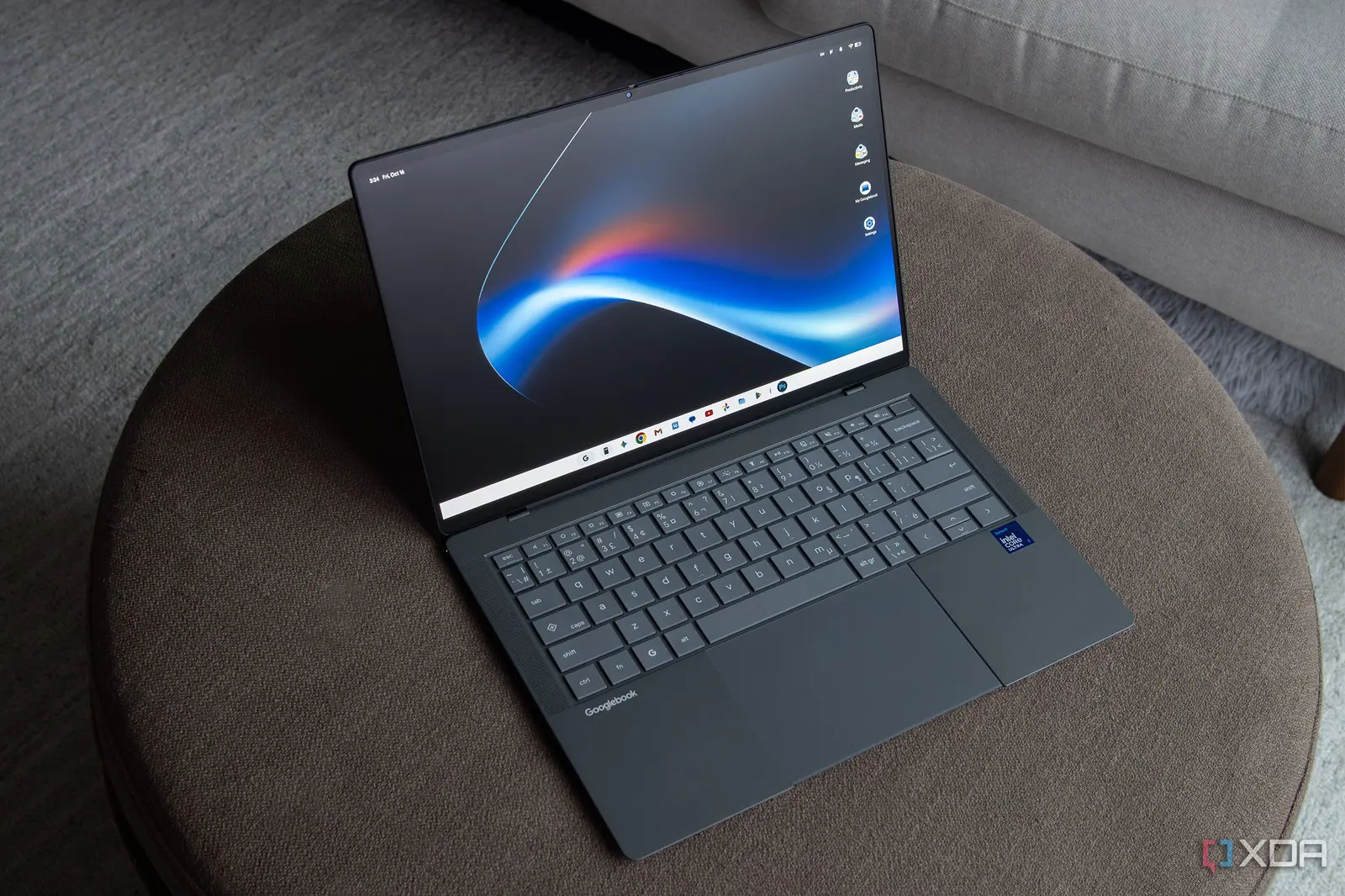
Google recently launched a fresh series of laptops, including the Asus Googlebook 14, aimed at redefining mobile computing. After spending a week testing the device for daily productivity, it is clear that while the hardware impresses, the underlying operating system feels like a mobile interface struggling to function as a desktop environment.
Breaking news
 Town AI Secures $108 Million Series B, Valued at $1 Billion After $55 M Pre‑Series
 Apple Prepares for Major Product Launch Event on October 28
 Apple Releases Release Candidates for watchOS, tvOS and visionOS 27.2
 Apple Limits iPhone Duo and iPhone 18 Pro Max to Reservation-Only Sales in Japan and South Korea
The Asus Googlebook 14 features a sleek, premium design that rivals high-end ultrabooks on the market. However, the user experience tells a different story. Navigating the interface often feels disjointed, as if the software was primarily designed for a touch-based tablet rather than a traditional laptop keyboard and trackpad setup.
The physical build quality of the new Googlebook line is undeniably strong. Manufacturers like Asus, Acer, Dell, HP, and Lenovo have delivered machines that look and feel professional. Despite these robust exteriors, the software experience remains inconsistent. Users expecting a seamless transition from traditional laptop operating systems will likely find the workflow frustrating.
Is This Just a Tablet in Disguise?
Many applications behave as if they are running on an oversized phone screen. This leads to awkward scaling issues and navigation quirks that disrupt professional tasks. While the hardware is ready for heavy lifting, the operating system lacks the depth and refinement necessary for a truly productive laptop experience.
The core issue stems from the feeling that the software is merely an Android tablet interface wearing a laptop shell. Multitasking often feels clunky, and the file management system lacks the intuitive nature found in mature desktop operating systems. For power users, these limitations transform a high-performance machine into a restricted, mobile-first gadget.
Unless Google commits to significant software updates, these laptops will struggle to compete with established platforms. The hardware potential is wasted on a system that refuses to embrace the nuances of desktop computing. Consumers looking for a reliable workstation may want to wait until the software matures before making an investment.
Frequently Asked Questions
What is the main problem with the new Googlebook laptops? The primary issue is the operating system, which feels like a mobile tablet interface rather than a fully functional desktop environment.
Are the hardware components of these laptops high quality? Yes, the hardware from manufacturers like Asus and Dell is impressive, offering a premium build that matches most modern ultrabooks.
Will these laptops improve over time? It is possible, but currently, the software remains half-baked and requires significant refinement to handle professional workflows effectively.