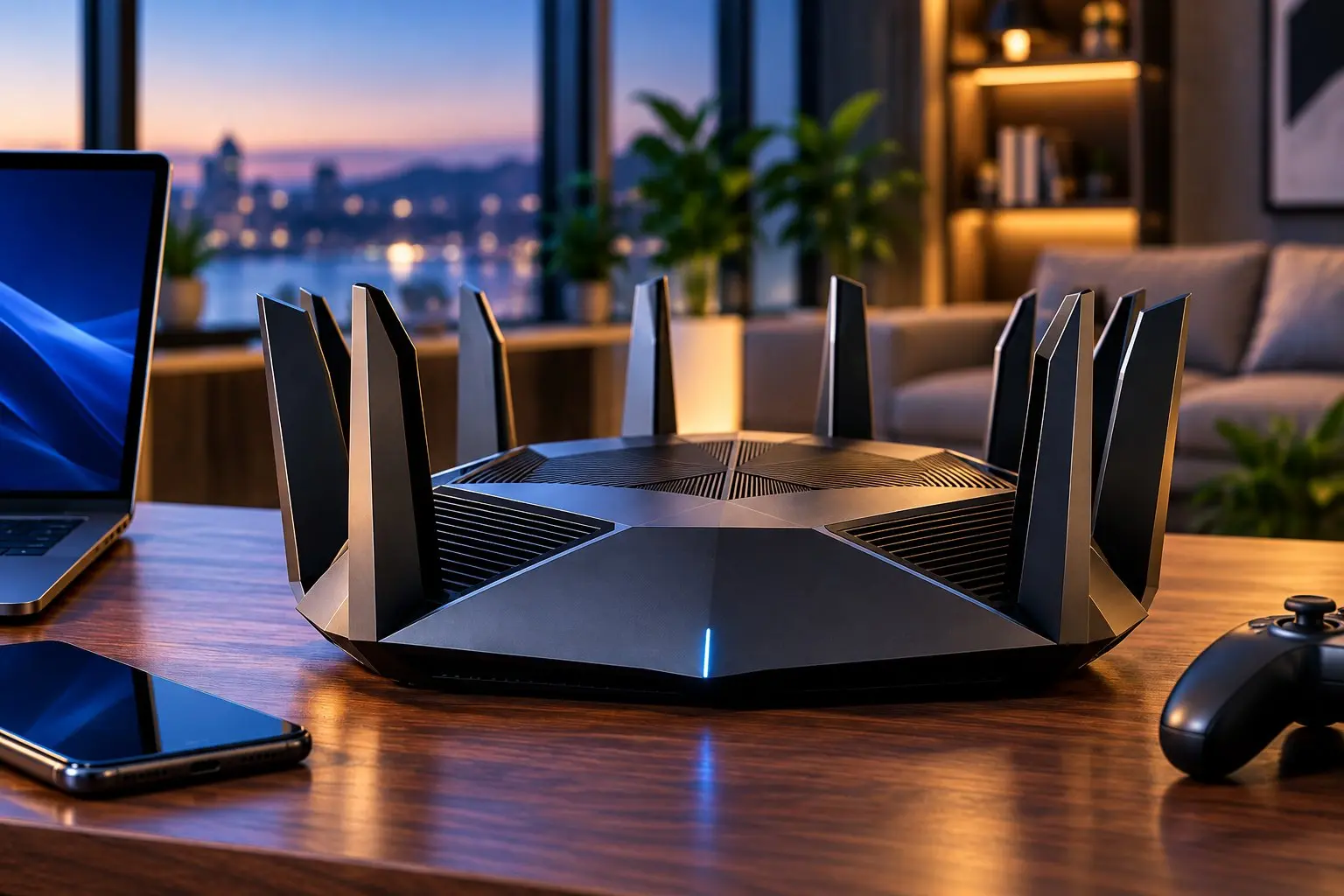
Archer 8 Ultra: High Cost and Limited Customer Support in the Wi‑Fi 8 Era
Although the Wi‑Fi 8 standard promises more stable connectivity and improved coverage, the TP‑Link Archer 8 Ultra encounters major obstacles, including high prices and a shortage of compatible devices. While the technology is still in its early stages, most users should turn to Wi‑Fi 7 solutions, which offer a more balanced cost‑performance ratio.
Breaking news
 Canonical’s Web Presence Hit by Second DDoS Assault This Year
 Loops AI Secures $3.5 Million to Power a New AI Operating System for E‑Commerce
 Winverse AI Secures Tens of Millions in Seed Funding from DeepSeek and Long‑Z
 Google Adds Pixel 9 Series to Certified Refurbished Store
Devices that support the new standard, such as Wi‑Fi 8‑compatible phones and laptops, are not yet widely available. This means the full benefits of the new technology can only be fully exploited by those who purchase the latest hardware, which is not yet generally on the market. Additionally, some router features require future firmware updates to be completed, indicating a product that is not yet mature from a software standpoint.
Pricing and Regional Variations
Regional price differences are significant.
Technical Specifications
In the United Kingdom, the pre‑order price is £669.99, with an expected increase to £899.99 after the official launch. In Australia, the recommended retail price is set at A$1,499. For the U. S. market, the price and availability have not yet been announced, leaving American users uncertain about the final cost.
The Archer 8 Ultra features an 18‑antenna design, intended to improve long‑range coverage and reduce interference. The combined theoretical speed reaches 19 Gbps, distributed across the 2.4 GHz, 5 GHz, and 6 GHz bands. It should be noted that this figure represents a theoretical maximum; a single connected device will not reach it in practice. Real coverage depends on building materials, router placement, and environmental interference.
Wired Connectivity
The router also excels in wired connectivity. It offers two 10 Gbps WAN/LAN ports, one of which is a combined SFP+/RJ45 port.
Security and Management Features
There are also four 2.5 Gbps LAN ports and one 1 Gbps LAN port, providing good flexibility for high‑traffic networks.
The Archer 8 Ultra comes equipped with StabilityEngine technology and an AI assistant called Aireal, accessible via the Tether app. This allows diagnostics, optimization, and network administration. In terms of protection, the router supports VPN at the router level, isolated guest and IoT networks, WPA3 encryption, and HomeShield protection, with additional features available through paid plans.
Wi‑Fi 8 vs. Wi‑Fi 7
Compared to its predecessor, Wi‑Fi 7 (IEEE 802.11be), the new Wi‑Fi 8 standard (Draft IEEE 802.11bn) focuses less on peak speed increases and more on reliability, coverage, and interference management.
Conclusion
While Wi‑Fi 7 is widely available and supported by current devices, Wi‑Fi 8 remains in the design stage, making the choice difficult for ordinary buyers.
In conclusion, while the Archer 8 Ultra represents a technological step forward, its premium price and incomplete ecosystem of compatible devices make it a risky choice for most users. For those who need a stable network now, Wi‑Fi 7 solutions remain the most rational investment.