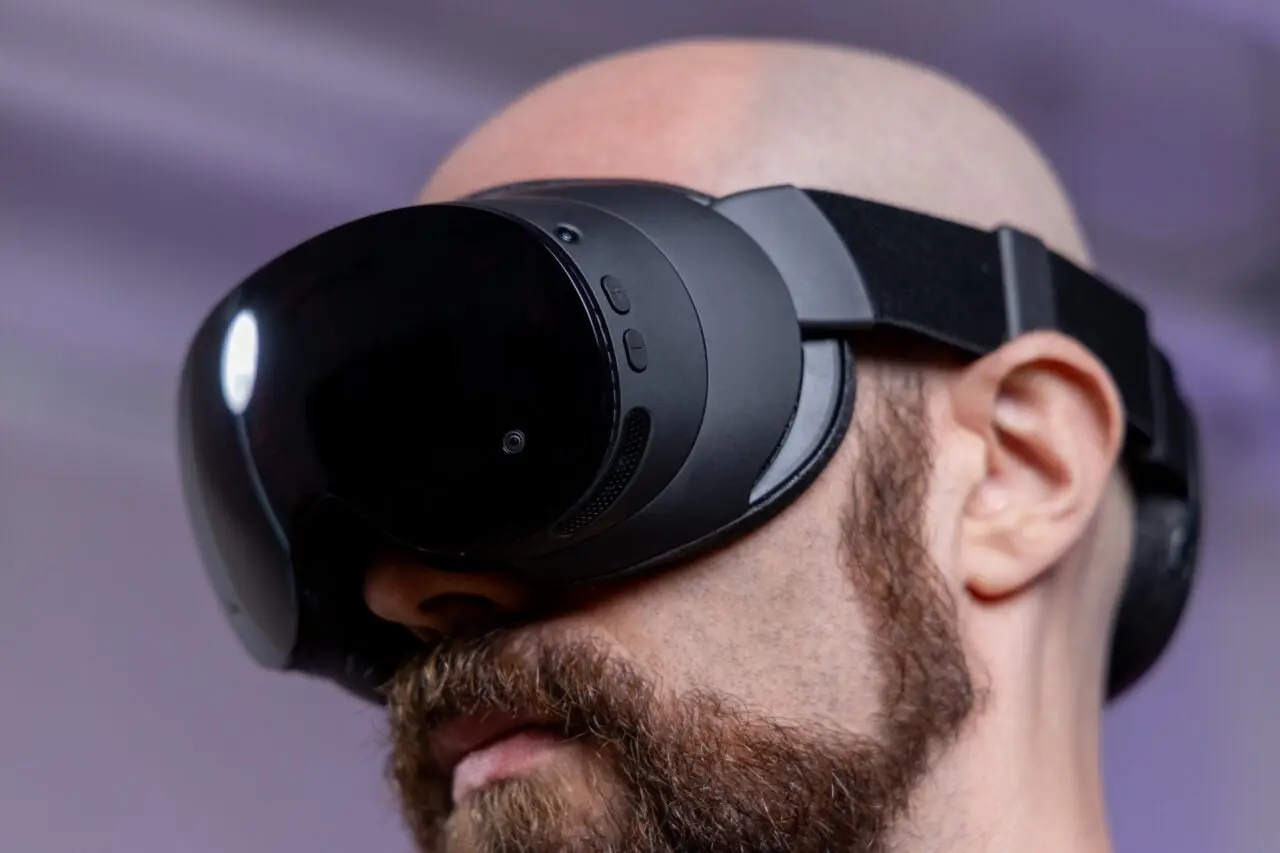
Accessories Drive the New Strategy
Valve is preparing to launch the Steam Frame, a new virtual reality headset designed specifically for PC gamers. This device arrives during a period of declining hardware shipments across the industry. While major competitors have scaled back production, Valve aims to revitalize the sector. The company focuses on a distinct approach that differs from current market trends. This strategy could potentially reverse the downward spiral facing immersive technology today.
Breaking news
 Canonical’s Web Presence Hit by Second DDoS Assault This Year
 Loops AI Secures $3.5 Million to Power a New AI Operating System for E‑Commerce
 Winverse AI Secures Tens of Millions in Seed Funding from DeepSeek and Long‑Z
 Google Adds Pixel 9 Series to Certified Refurbished Store
The virtual reality landscape has become increasingly quiet in recent years. Many manufacturers have reduced their output or shifted focus entirely. The Steam Frame stands out as one of the few remaining products dedicated purely to gaming experiences. It represents a genuine attempt to keep the medium alive. However, success requires more than just releasing another standard headset. Valve must leverage specific advantages that other brands do not currently possess. These unique features are centralize the company's hope for future growth.
Value’s potential path to success relies heavily on peripheral devices rather than the headset alone. Much like celebrities who rely on stylish outfits to enhance their presence, the Steam Frame depends on complementary gear. This approach suggests that the core display unit is only part of the equation. Users will likely need additional controllers or tracking systems to fully utilize the platform. By emphasizing these add-ons, Valve creates a broader ecosystem. This model encourages consumers to invest in multiple components over time. Such a strategy can increase customer retention and overall spending within the network.
Can Niche Hardware Defy Industry Trends?
The focus on accessories addresses a common pain point in VR adoption. Many users find standalone headsets limiting in terms of interaction depth. By offering robust peripheral options, Valve targets enthusiasts who demand precision. This demographic often remains loyal to brands that support high-fidelity input methods. The company’s history with Steam hardware supports this direction. Previous releases demonstrated strong community engagement when supported by extensive toolkits. The Steam Frame continues this tradition by prioritizing modularity and expansion capabilities.
The viability of this strategy remains uncertain given broader market conditions. Most consumers now prefer mobile-first or mixed-reality solutions. Dedicated gaming headsets occupy a smaller slice of the total addressable market. Valve must convince buyers that specialized hardware still holds value. The timing is critical as consumer interest wavers. If the accessory ecosystem fails to attract attention, the headset may struggle to gain traction. Competitors might view this move as a late entry into a saturated space. Yet, the distinct focus on gaming could carve out a loyal niche audience.
Frequently Asked Questions
What makes the Steam Frame different from other VR headsets? The Steam Frame distinguishes itself by targeting PC gaming specifically. It emphasizes a modular design that relies on various accessories for full functionality. This approach contrasts with all-in-one standalone devices currently dominating the market.
Why are accessories central to Valve’s plan? Accessories allow for deeper customization and enhanced user interaction. They encourage higher investment per customer and foster a dedicated community. This strategy helps sustain interest even if initial headset sales are modest.
Is the VR market expected to grow again? Current trends show a slowdown in overall hardware shipments. However, specialized devices like the Steam Frame may stimulate renewed interest among enthusiasts. Success depends on how well the peripheral ecosystem resonates with players.