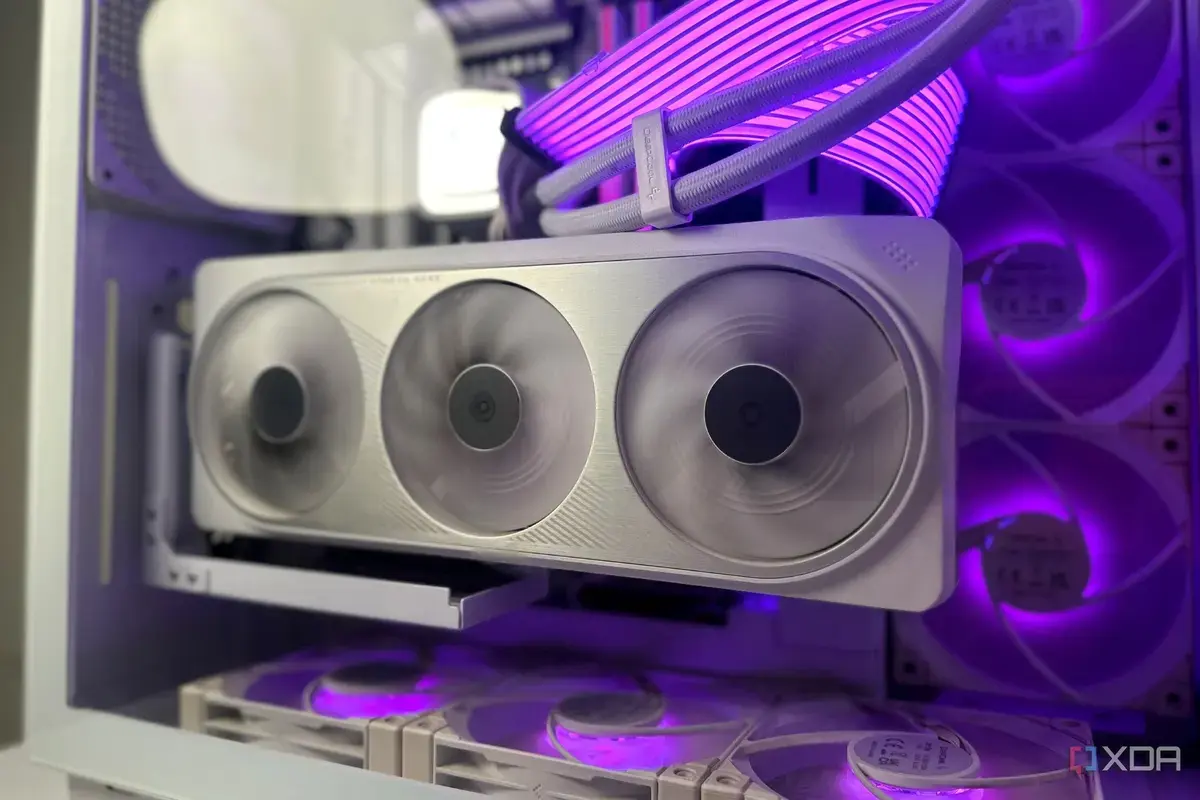
The Undervolting Advantage
Undervolting your graphics card offers significant advantages. Many users, however, overlook this simple tweak. It can improve performance, reduce heat, and save energy. This process involves lowering the voltage supplied to the GPU.
Breaking news
 Canonical’s Web Presence Hit by Second DDoS Assault This Year
 Loops AI Secures $3.5 Million to Power a New AI Operating System for E‑Commerce
 Winverse AI Secures Tens of Millions in Seed Funding from DeepSeek and Long‑Z
 Google Adds Pixel 9 Series to Certified Refurbished Store
This adjustment does not typically reduce clock speeds. Instead, it optimizes power delivery. The result is a more efficient and cooler-running system. It's a method that seasoned PC enthusiasts often recommend.
Undervolting helps your GPU run more efficiently. It reduces the amount of power it draws. This leads to lower operating temperatures. Cooler components tend to last longer. It also means less fan noise. Your PC will operate more quietly.
Is Undervolting Safe for My GPU?
Furthermore, a cooler GPU can often maintain higher boost clocks. This is because it avoids thermal throttling. So, you might even see a slight performance uplift. It's a win-win situation for your hardware.
Undervolting is generally considered safe. It does not push your hardware beyond its limits. Instead, it brings it closer to optimal efficiency. The worst outcome is usually system instability. Your computer might crash or freeze.
If this happens, you simply revert to your previous settings. There is no permanent damage to the hardware. It's a process that requires some trial and error. However, the benefits often outweigh the minor inconvenience. Many guides are available online to help.
The benefits of undervolting are compelling. It offers a free performance boost and improved system longevity. It also creates a quieter computing experience. More users should consider this valuable optimization.
Frequently Asked Questions
What exactly is undervolting? Undervolting means reducing the voltage supplied to your graphics card's processor. This makes the GPU run more efficiently without sacrificing performance.
Will undervolting damage my graphics card? No, undervolting is generally safe and does not damage your hardware. The most common issue is system instability, which can be resolved by adjusting settings.
Does undervolting improve gaming performance? While it doesn't directly increase raw power, undervolting can prevent thermal throttling. This allows your GPU to maintain higher clock speeds, potentially leading to more stable frame rates.