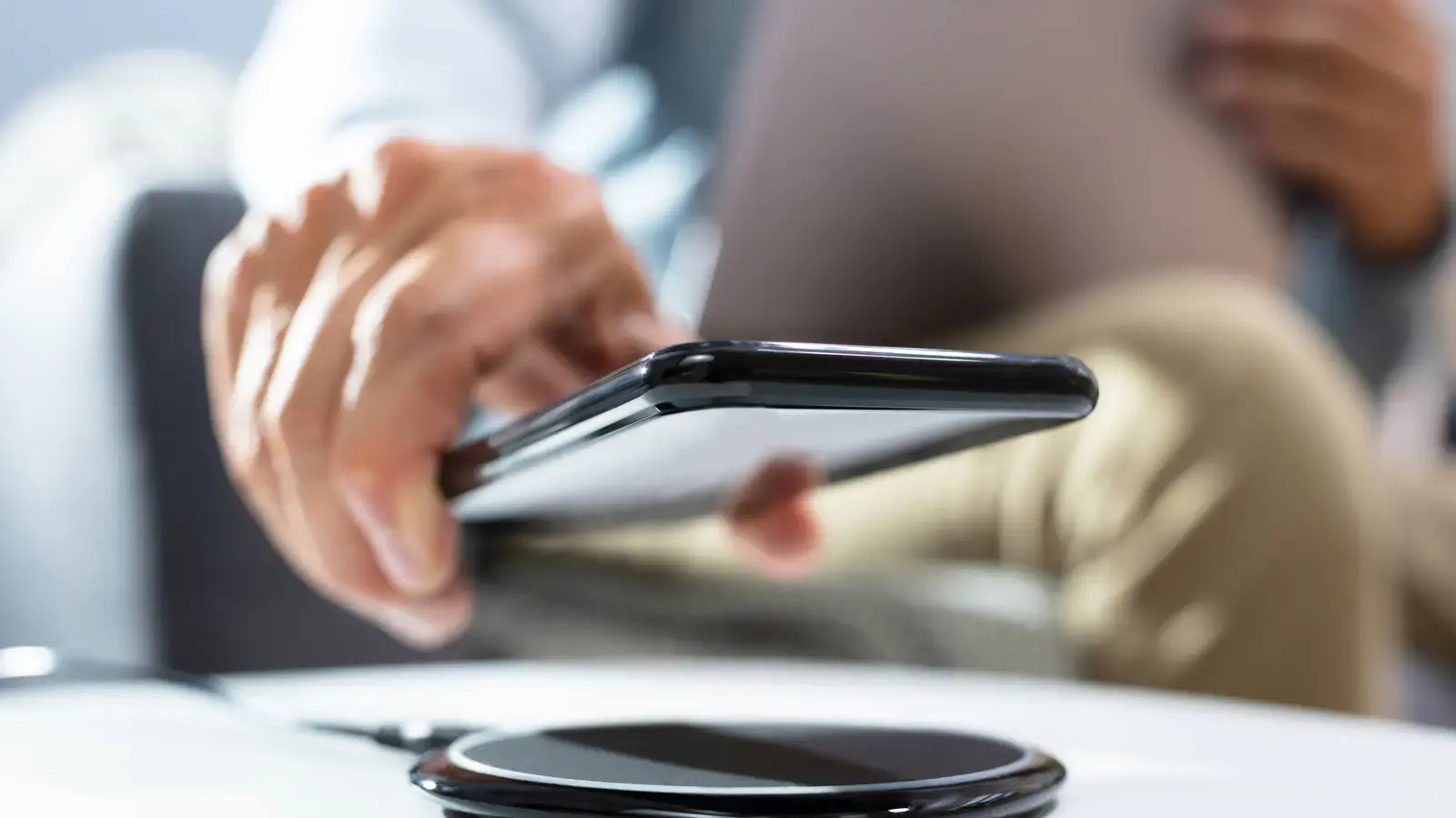
Heat Levels: The Silent Battery Killer
Smartphone users are weighing the convenience of wireless pads against the traditional plug‑in method. Recent tests and expert opinions suggest that while both charge a device, they affect long‑term battery health differently, especially when heat builds up during charging. The debate intensified after a 2026 study highlighted temperature spikes on popular wireless chargers, prompting manufacturers to tweak designs.
Breaking news
 Canonical’s Web Presence Hit by Second DDoS Assault This Year
 Loops AI Secures $3.5 Million to Power a New AI Operating System for E‑Commerce
 Winverse AI Secures Tens of Millions in Seed Funding from DeepSeek and Long‑Z
 Google Adds Pixel 9 Series to Certified Refurbished Store
Wireless chargers use electromagnetic induction to transfer power, eliminating cables but often generating more heat than a wired connection. Heat accelerates lithium‑ion cell degradation, reducing overall capacity over time. Wired chargers, especially those with adaptive fast‑charging protocols, can regulate voltage and current more precisely, keeping temperatures lower. However, frequent use of high‑wattage wired fast chargers can also stress the battery if not properly managed. Battery‑management software in modern phones mitigates many risks, but the physical heat generated remains a key factor.
Laboratory tests conducted by a leading tech institute measured temperature differences between the two methods. A standard 15‑watt wireless pad raised a phone’s surface temperature by up to 12 °C after 30 minutes, while a 20‑watt wired charger increased it by only 5 °C under the same conditions. „Even a few degrees can hasten electrolyte breakdown inside the cell,” explained Dr. Maya Patel, a battery chemist. She added that prolonged exposure to elevated heat can shrink a battery’s usable capacity by 10‑15 % after a year of regular wireless charging.
Does Wireless Charging Really Shorten Battery Life?
Manufacturers are responding. Some newer wireless chargers incorporate active cooling, such as built‑in fans or graphene heat spreaders, to curb temperature rise. Meanwhile, wired chargers are adopting „smart” algorithms that throttle power when the battery reaches a certain temperature, extending lifespan.
The answer isn’t black and white. If you use a high‑quality, certified wireless charger and keep the device on a hard, flat surface, the impact on battery health is modest. „In real‑world usage, the difference is often less than a percent per year,” said Jonny Evans, a consumer‑tech analyst. However, cheap or poorly designed pads can cause significant heat buildup, leading to faster capacity loss. Users who frequently charge overnight on wireless pads may see a slight decline compared to those who plug in for short bursts.
Overall, the convenience of wireless charging may outweigh the minor wear on the battery for many, provided the charger meets safety standards and the phone isn’t left in a hot environment.
Frequently Asked Questions
Is it safe to use wireless charging every day? Yes, daily wireless charging is safe if you use a reputable, certified charger and avoid covering the phone, which can trap heat.
Can I extend my battery’s lifespan by switching to wired charging? Switching to a quality wired charger with temperature‑control features can reduce heat exposure, potentially preserving capacity longer.
Do fast‑charging modes affect battery health more than regular charging? Fast charging generates more heat, which can accelerate wear, but modern phones manage this with software limits, making the impact relatively small when used occasionally.