Why China Remains the Cheaper Option
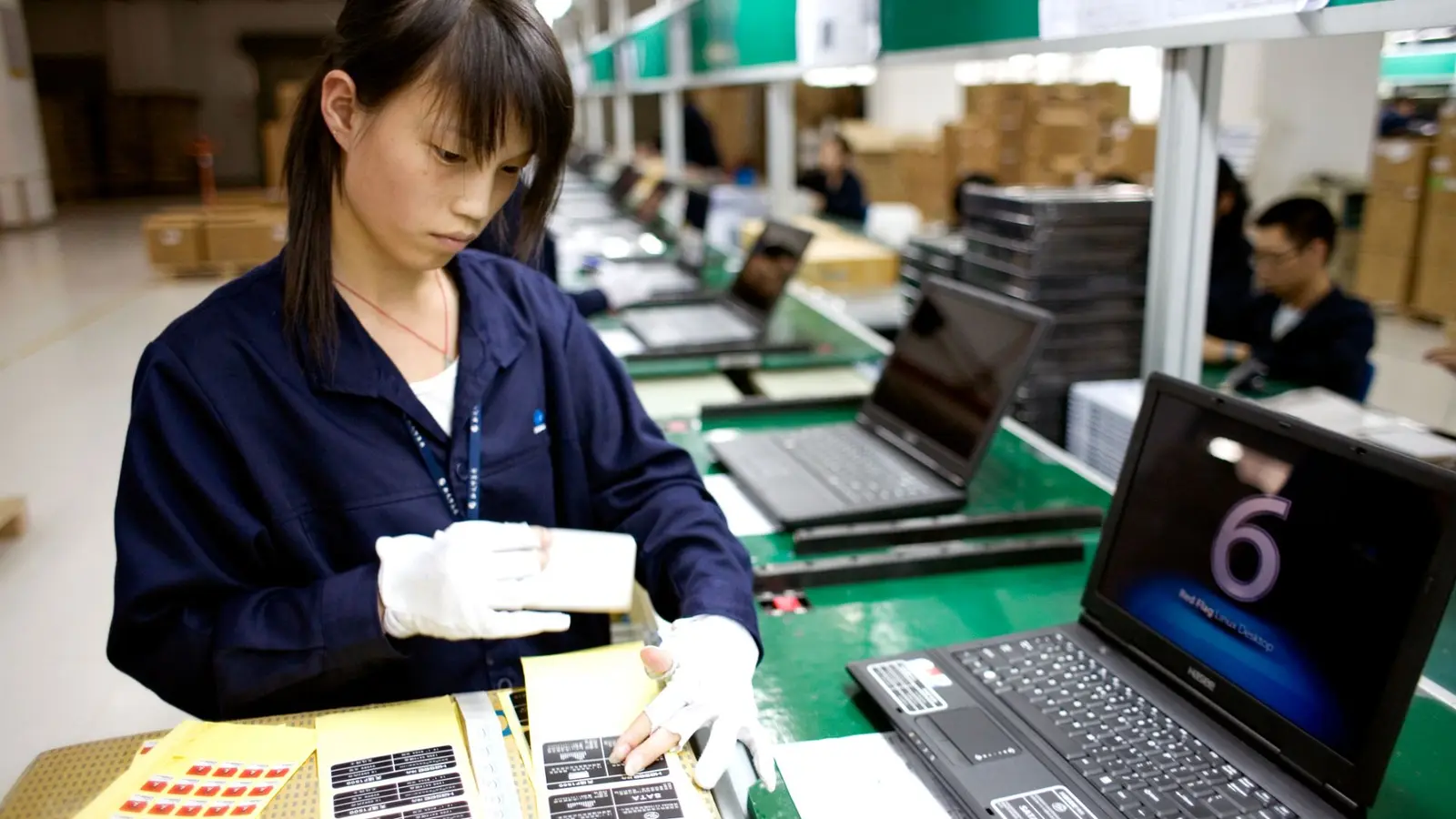
Major PC manufacturers HP, Asus, and Acer are shifting production capacity back to China. Rising component prices driven by artificial intelligence hardware are squeezing profit margins. The move reflects a strategic retreat to a more cost-effective manufacturing hub.
Breaking news
 MacPaw Launches Moonlock for iPhone to Detect Scam Texts
 Apple’s 20th Anniversary iPhone May Feature Near‑Zero Bezels
 Anthropic Eyes Higher IPO Price and Larger Share Offering
 OpenAI Unveils GPT-6.2 Astra and Sol, Cuts Top Model Price 20%
China offers a mature supply chain and an experienced workforce. These factors make it cheaper to build computers there. As AI components become more expensive, the financial pressure forces companies to reconsider where they produce their hardware.
The established ecosystem in China provides significant cost advantages. Local suppliers offer competitive pricing on critical parts. This infrastructure reduces logistics costs and speeds up production cycles.
Can Cost Cuts Sustain Long-Term Profitability?
AI-driven demand has inflated the cost of key components. This increase directly impacts the bill of materials for every PC. Companies must find ways to offset these rising input costs.
Reducing production costs is a short-term fix. It does not address the underlying price inflation in AI hardware. Long-term viability depends on stabilizing component prices or finding alternative suppliers.
The shift back to China may provide immediate relief. However, companies must monitor global supply chain dynamics. Future cost pressures could require further strategic adjustments.
Frequently Asked Questions
Why are AI components driving up PC costs? AI hardware demand has increased the price of key electronic components. This directly raises the cost of building personal computers.
Which companies are moving production to China? HP, Asus, and Acer have reportedly relocated some manufacturing capacity to China. This move aims to leverage lower labor and supply chain costs.
Is this trend likely to reverse? It depends on future component pricing. If AI hardware costs stabilize, companies may reconsider their manufacturing locations.