How Manual Problem-Solving Strengthens AI Collaboration
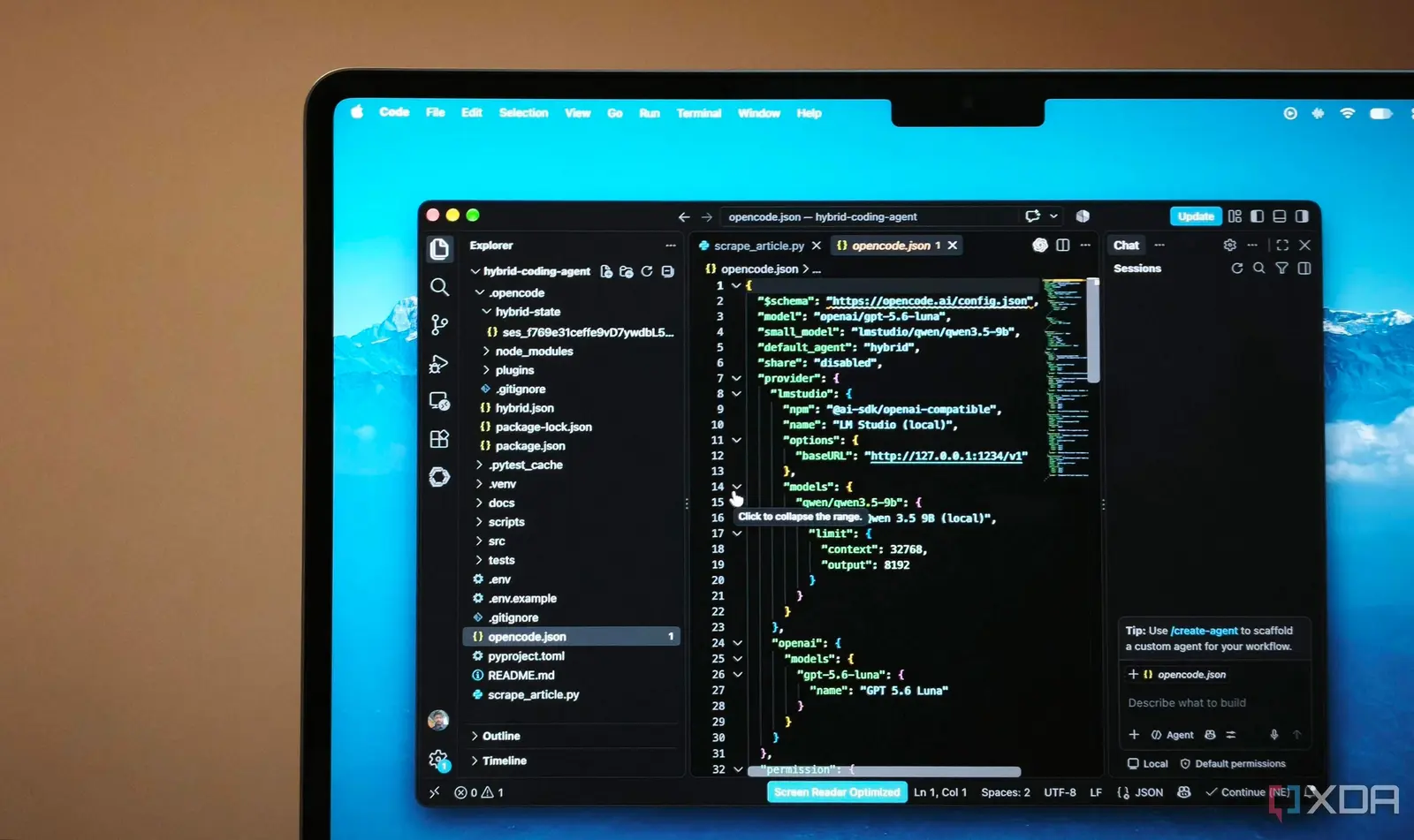
I began learning to code recently without a traditional computer science background, relying heavily on AI assistants to generate solutions. At first, I let the tools write entire functions and scripts, celebrating when they worked without understanding how. This approach felt efficient but left me unable to modify or debug code when the AI failed or produced unexpected results. My turning point came when I realized I was copying outputs without grasping the underlying logic, making me dependent rather than skilled.
Breaking news
 Town AI Secures $108 Million Series B, Valued at $1 Billion After $55 M Pre‑Series
 Apple Prepares for Major Product Launch Event on October 28
 Apple Releases Release Candidates for watchOS, tvOS and visionOS 27.2
 Apple Limits iPhone Duo and iPhone 18 Pro Max to Reservation-Only Sales in Japan and South Korea
The shift happened when I started using AI coding agents as a sounding board instead of a replacement for my own thinking. I began by describing the problem aloud, outlining steps I would take manually, then asking the AI to review my logic before generating any code. This forced me to engage with the core concepts of programming—variables, loops, conditionals—rather than treating the AI as a black box. I noticed my ability to read and interpret error messages improved dramatically because I was no longer skipping the foundational struggle of writing code myself.
What Happens When You Let AI Do All the Thinking?
By writing pseudocode or sketching flowcharts before consulting AI tools, I created a framework for evaluating their suggestions. When the AI proposed a solution, I compared it against my own This process revealed subtle misunderstandings about scope, data types, or algorithmic efficiency that I would have missed if I had accepted the first working code. Over time, I began anticipating where the AI might struggle, such as with edge cases or niche libraries, and prepared targeted questions to improve its responses.
Relying entirely on AI-generated code created a false sense of progress. I could build working prototypes quickly, but when requirements changed or bugs emerged, I lacked the skills to adapt. Debugging became guesswork because I hadn’t internalized the code’s structure. This dependency also made learning new concepts slower, as I wasn’t practicing the mental models that underpin programming. The breakthrough came when I treated AI as a junior partner—valuable for speed and suggestions, but requiring my oversight and correction.
Frequently Asked Questions
How can beginners use AI coding tools without becoming dependent? Start by solving small problems manually before consulting AI. Use the tool to validate your approach or suggest optimizations, not to replace your initial effort. Review every line of generated code to ensure you understand its purpose.
Does using AI this way slow down initial development? Yes, the first few attempts may take longer as you build foundational skills. However, this investment pays off when you can independently debug, modify, and explain code—abilities that pure reliance on AI cannot provide.
