Why TileLang Could Change AI Development
DeepSeek, an AI startup, announced a collaboration with Huawei on September 30, 2026, to develop software tools for the company’s Ascend line of artificial‑intelligence chips. The partnership focuses on creating TileLang, a new programming language designed to simplify development on Ascend hardware. The announcement came during a press briefing in Beijing, where DeepSeek’s CEO highlighted the potential to accelerate AI application deployment across Huawei’s ecosystem.
Breaking news
 Trump Orders Federal Agencies to Adopt „Super Intelligence” Terminology
 The Silicon Valley Accountability Gap
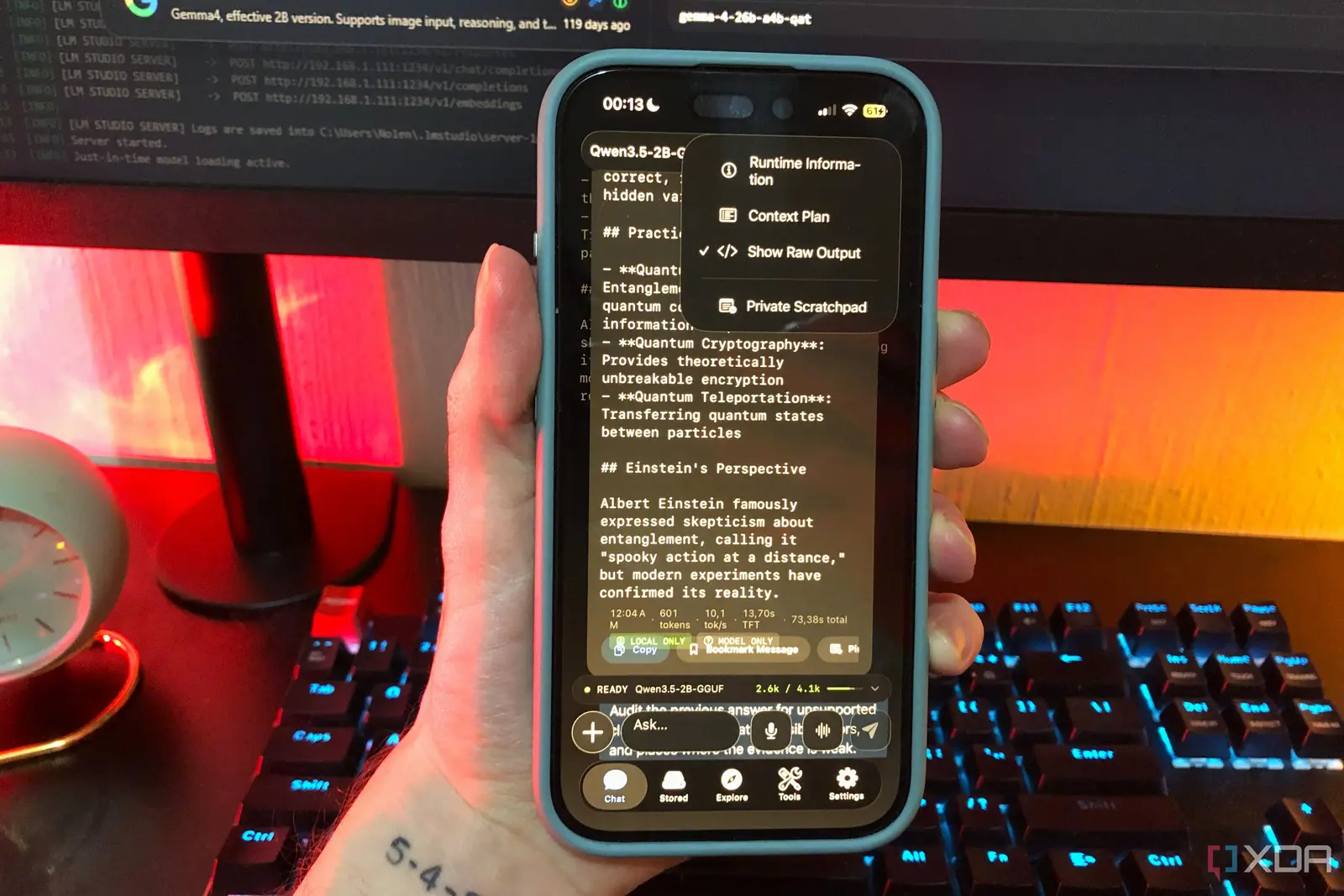 Running a Local AI Model on a Phone Handles Most Chat Prompts
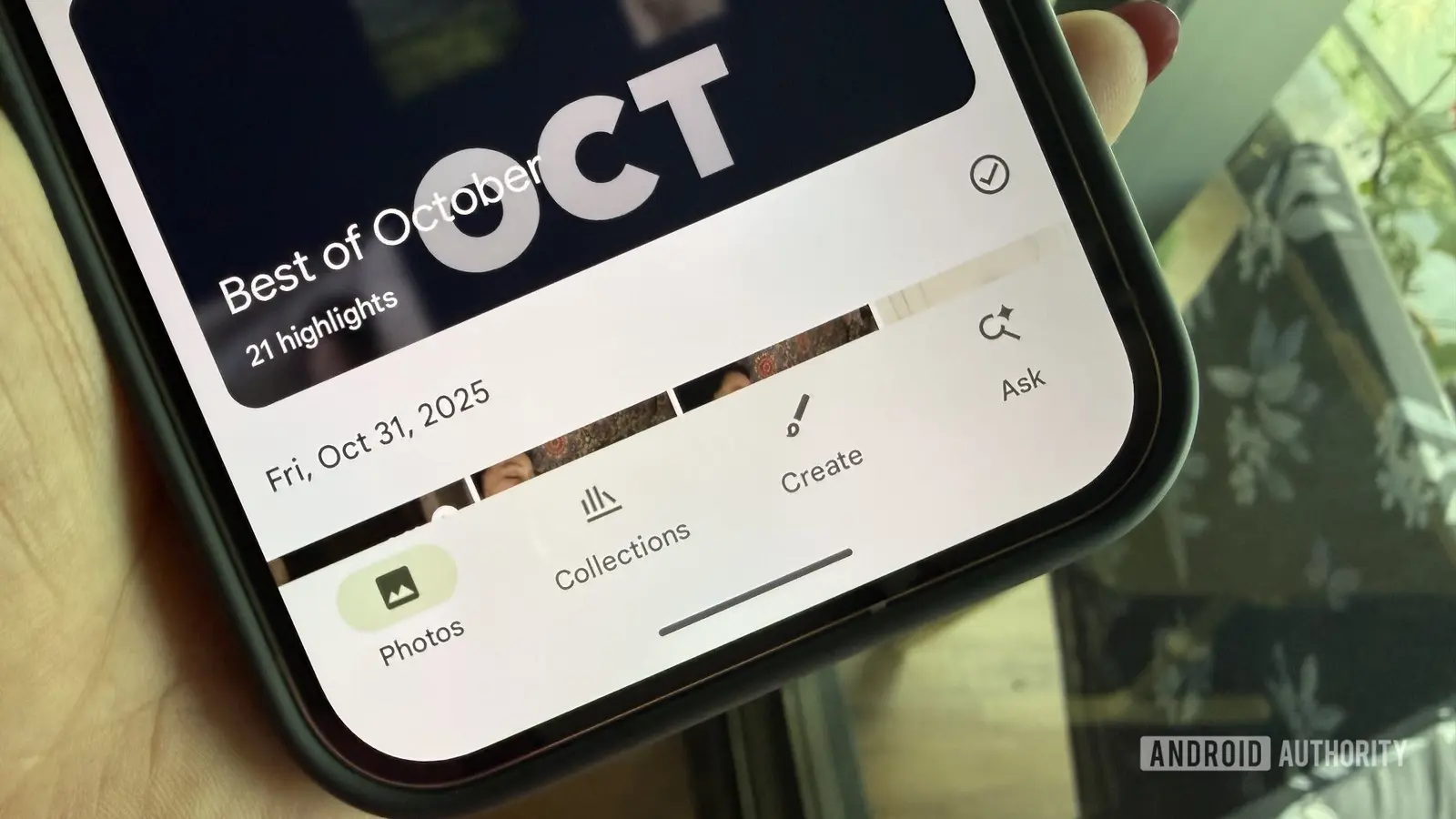 Google Photos Could Soon Offer a Fresh Start with Ask Photos Feature
The initiative aims to bridge the gap between high‑level AI frameworks and the low‑level hardware optimizations required by Ascend chips. By offering a specialized language, DeepSeek intends to reduce the complexity of writing efficient code for distributed neural‑network workloads. Huawei’s spokesperson noted that the collaboration will leverage the company’s existing software stack, including its MindSpore framework, to provide developers with a seamless workflow from model design to deployment.
TileLang is engineered to abstract the intricacies of hardware scheduling and memory management on Ascend processors. Instead of writing verbose kernel code, developers can express computations in a concise syntax that the compiler translates into optimized instructions for the chip’s tiled architecture. Early prototypes have shown a 15‑20% performance boost on benchmark image‑recognition tasks compared to standard MindSpore scripts. DeepSeek’s research team claims that the language also supports dynamic graph execution, allowing models to adapt to varying input shapes without recompilation.
Will This Partnership Influence Global AI Competition?
Huawei’s AI division emphasized that the partnership aligns with its strategy to build a self‑sufficient AI ecosystem. By integrating TileLang into its developer portal, the company hopes to attract third‑party talent and reduce reliance on external toolchains. Analysts suggest that this move could position Huawei as a more competitive player in the global AI hardware market, especially as U. S. export controls limit access to certain technologies.
The collaboration raises questions about the future of AI development in regions affected by trade restrictions. With Huawei’s Ascend chips already gaining traction in China’s data centers, the addition of a user‑friendly programming language could accelerate adoption of domestic AI solutions. Meanwhile, competitors such as Nvidia and AMD may need to respond by enhancing their own developer tools to maintain market share.
DeepSeek’s CEO noted that the company will release an open‑source version of TileLang after a beta testing phase. This openness could foster a broader community of developers, potentially leading to third‑party libraries that further optimize Ascend performance. However, the company also plans to secure patents around key compiler optimizations, indicating a balance between openness and protecting intellectual property.
The partnership’s long‑term impact will depend on how quickly developers adopt TileLang and how effectively Huawei can integrate it into existing cloud and edge computing platforms. If successful, the collaboration could set a new standard for hardware‑aware programming languages in the AI field.
Frequently Asked Questions
What is TileLang and how does it differ from existing AI frameworks? TileLang is a domain‑specific language that targets Huawei’s Ascend chip architecture. Unlike generic frameworks, it focuses on low‑level hardware optimizations, reducing the need for manual tuning and improving execution speed.
Will developers need to learn a new language to use Ascend chips? Not necessarily. DeepSeek plans to provide a compiler that translates common high‑level frameworks into TileLang, allowing developers to continue using familiar tools while benefiting from hardware‑specific optimizations.
Could this partnership affect the availability of AI tools outside China? The open‑source release of TileLang could make it accessible worldwide, but export controls and licensing agreements may limit its use in certain jurisdictions. Huawei’s strategy remains focused on strengthening its domestic AI ecosystem.