
The Silent Alarm That Stopped a Six-Day Rollout
A firmware update for a large AI computing cluster was progressing zone by zone for six days before the automation system halted the process. The stoppage occurred in the early morning hours when a single zone exceeded its safety threshold for unclean reboots.
Breaking news
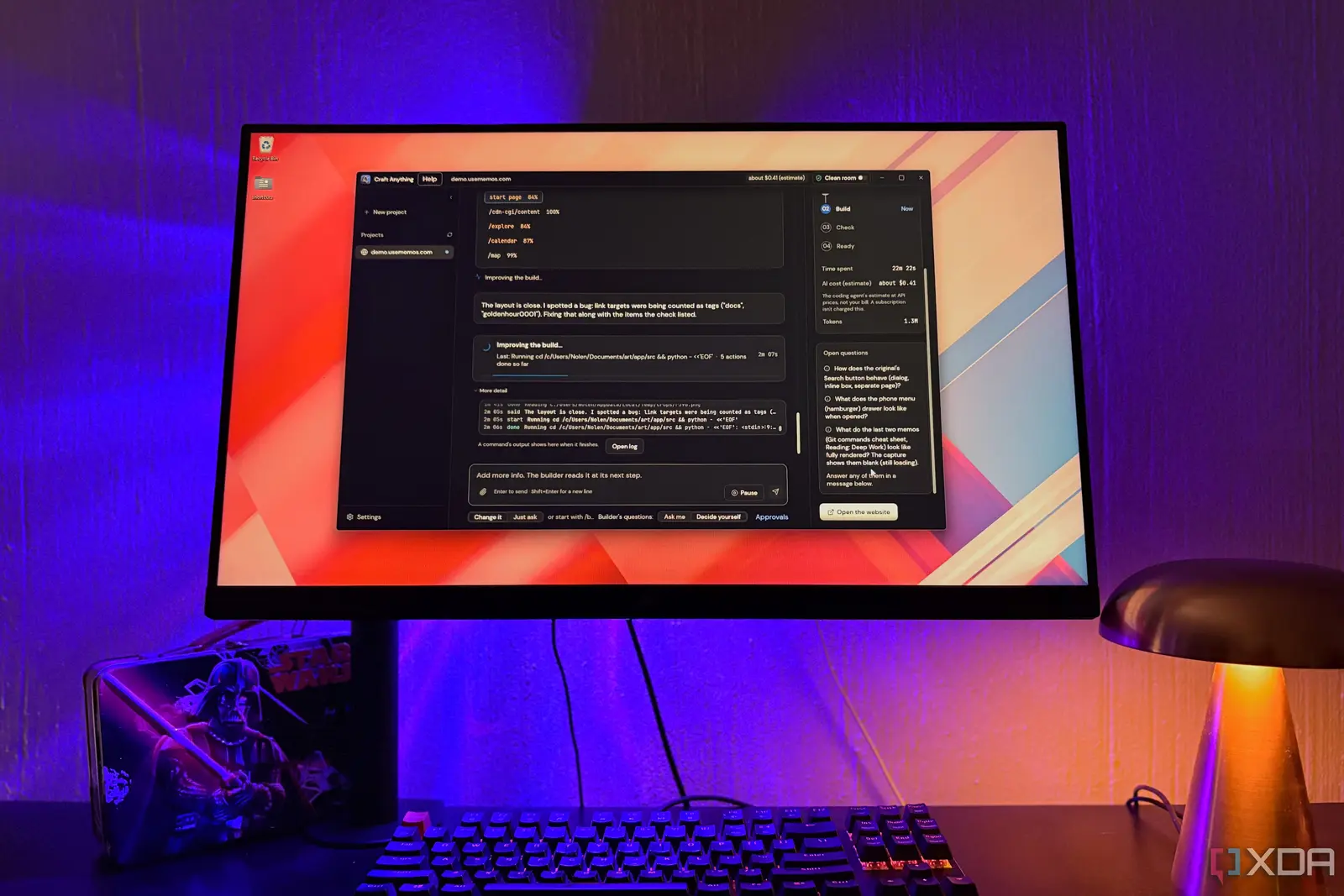 Open-Source Tools Challenge AI-Powered Development Platforms
 Why Apple Vision Pro Never Took Off Like Meta's VR Headsets
 Software teams are merging AI-written code they do not fully understand, a new industry report reveals
 Galaxy Watch Ultra 2 Emerges as Top Holiday Smartwatch Pick
The incident highlights a critical weakness in modern AI infrastructure. Even the most powerful hardware can be constrained by the software systems that manage its updates. When the automated rollout detected too many hosts failing to reboot cleanly, the safety mechanism engaged. This prevented a wider system failure but exposed the fragility of the deployment pipeline.
Can Hardware Speed Outrun the Software That Manages It?
The alert arrived as a vibration on a phone at 1:14 AM. The automation had been running autonomously for a week. In one specific zone, the percentage of hosts experiencing unclean reboots crossed the predefined safety limit. The system automatically froze the rollout and flagged the issue for human review. This self-correction is a feature, not a bug, but it reveals how dependent AI clusters are on their management layers.
The core problem is a mismatch between hardware capability and software maturity. AI clusters are built for extreme performance, but the pipelines that deploy and maintain them often lag behind. A single bad update can stall the entire fleet. The automation saved the cluster from a potential cascade failure, but the delay costs valuable computing time.
Why did the firmware rollout stop after six days? The automation stopped the rollout because one zone exceeded the safety threshold for unclean reboots. This triggered an automatic freeze to prevent further damage.
Frequently Asked Questions
What happens when an AI cluster update fails? The system flags the issue for human review. Engineers must diagnose the problem and restart the rollout in a controlled manner. This pause can take hours or days, depending on the complexity of the failure.
Does this mean AI clusters are slower than they should be? Yes. The bottleneck is not the hardware but the release pipeline. Until these pipelines become more robust, even the fastest clusters will be held back by their management software.