Reclaiming Control Over Digital Architecture
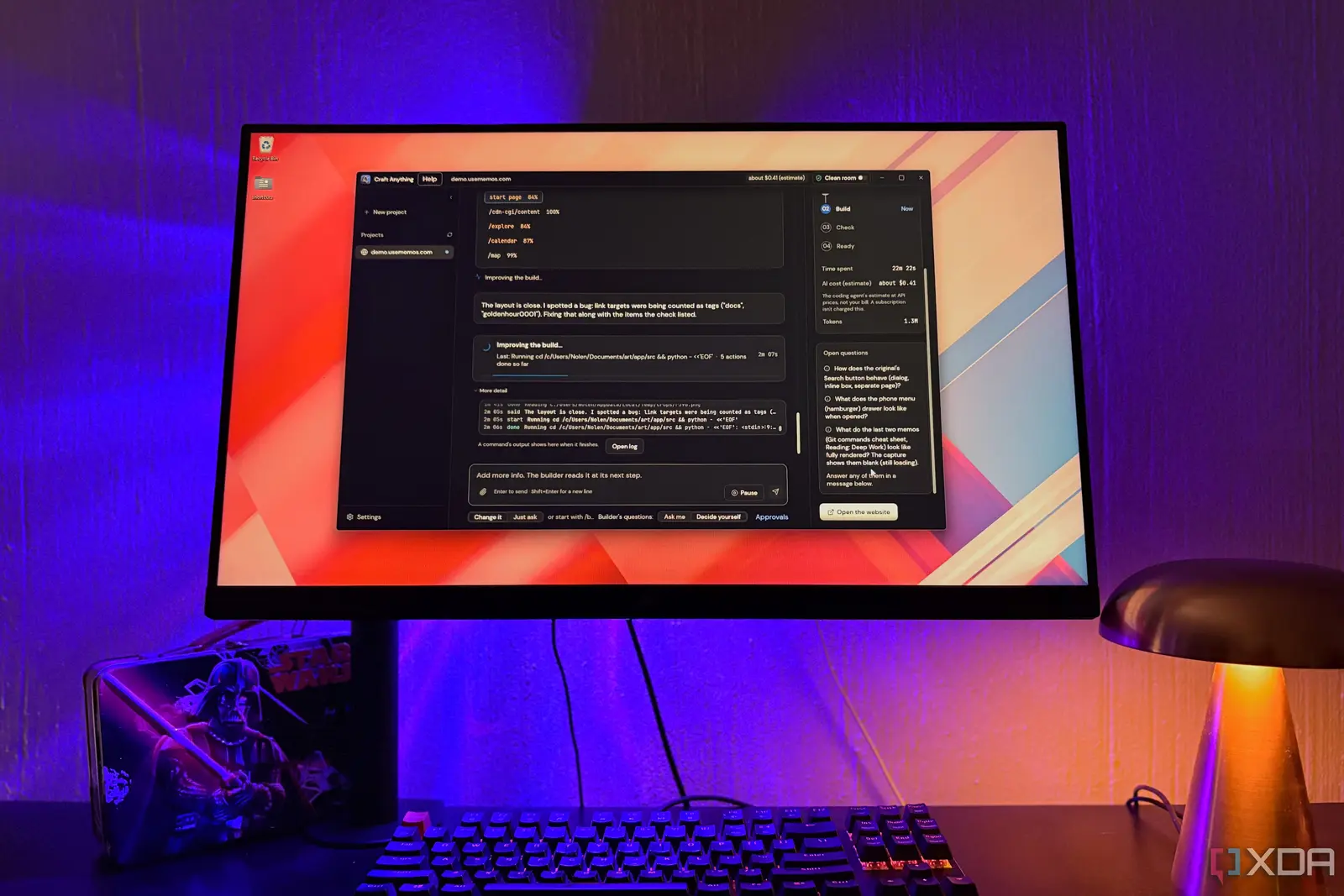
A new wave of open-source software is disrupting the market for AI-driven application builders. Developers are increasingly abandoning subscription-based platforms like Replit, Lovable, and Claude Design in favor of free, transparent alternatives. This shift highlights a growing preference for local control and security over the convenience of proprietary, black-box coding assistants.
Breaking news
 AI Infrastructure Bottlenecks: Why Release Pipelines Hold Back Fast Clusters
 Why Apple Vision Pro Never Took Off Like Meta's VR Headsets
 Software teams are merging AI-written code they do not fully understand, a new industry report reveals
 Galaxy Watch Ultra 2 Emerges as Top Holiday Smartwatch Pick
The rise of „vibe-coding”—where users rely on AI to generate functional code through natural language prompts—has simplified web development significantly. However, this accessibility comes with hidden risks. Many users lack the technical expertise to identify security vulnerabilities or architectural flaws embedded by AI models. By switching to open-source builders, developers regain oversight of their own digital infrastructure.
Proprietary tools often lock users into specific ecosystems, making it difficult to migrate projects or audit underlying code. Open-source builders allow for complete transparency, enabling developers to inspect every line of code generated. This is particularly vital for those building small, personal utilities where privacy and long-term stability are paramount.
Is Convenience Worth the Security Trade-off?
The transition away from paid platforms is fueled by the desire for autonomy. While AI-integrated services offer quick results, they often obscure the logic behind the application. Open-source alternatives provide the same speed while ensuring that the developer remains the master of the final product. This approach mitigates the risk of relying on a platform that might eventually deprecate features or change pricing models.
The primary criticism of automated coding remains the potential for unvetted security holes. When an AI writes the code, the user is essentially trusting a machine to follow best practices. If the AI makes a mistake, the resulting application could be vulnerable to exploits that the developer is unable to detect or fix.
Frequently Asked Questions
As these open-source tools mature, the gap between ease-of-use and technical integrity is closing. Developers are finding that they no longer need to sacrifice security for the sake of rapid prototyping. The future of software development likely lies in tools that combine AI assistance with the transparency and reliability of open-source frameworks.
Why are developers moving away from AI-powered coding platforms? Many users are concerned about security vulnerabilities and the lack of transparency in proprietary tools. Open-source alternatives provide better control and allow developers to audit the code they build.
What is the biggest risk of using AI to generate software? The primary risk is the introduction of hidden security flaws. If a user does not understand the underlying code, they cannot identify or patch these vulnerabilities effectively.