Bridging the Gap Between Eras
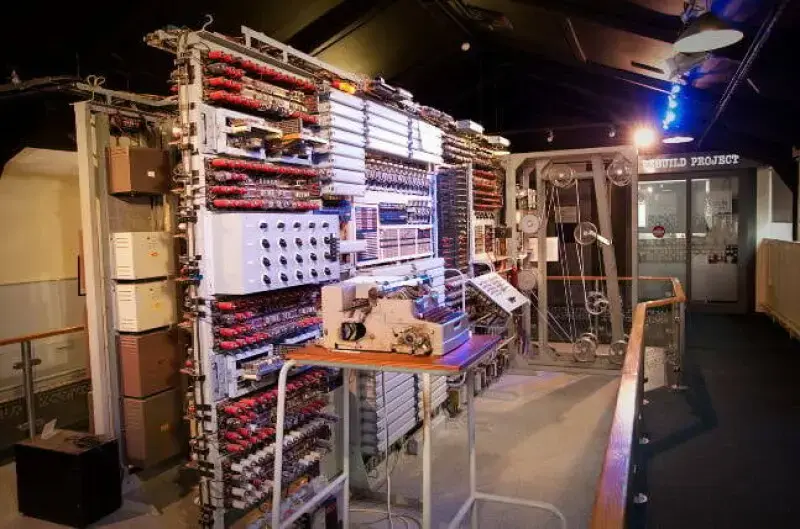
The National Museum of Computing at Bletchley Park is currently transforming digital archaeology through the integration of advanced AI coding assistants. By deploying sophisticated tools like Claude Code, researchers are finally decoding the complex, long-forgotten software architectures that powered Britain’s most iconic mid-century mainframes and early microprocessor systems.
Breaking news
 Canonical’s Web Presence Hit by Second DDoS Assault This Year
 Loops AI Secures $3.5 Million to Power a New AI Operating System for E‑Commerce
 Winverse AI Secures Tens of Millions in Seed Funding from DeepSeek and Long‑Z
 Google Adds Pixel 9 Series to Certified Refurbished Store
This initiative marks a significant shift in how historical machines are preserved for future generations. For years, experts struggled to document the intricate logic behind 1960s and 1970s computing systems. Manual reverse engineering was often slow, error-prone, and required specialized knowledge that is becoming increasingly rare among modern engineers.
The implementation of generative AI allows museum staff to interpret legacy codebases with unprecedented speed. These models can parse obsolete programming languages and explain their functions in plain, modern terminology. This breakthrough provides a vital bridge between the rigid, manual logic of the past and the fluid, automated capabilities of current technology.
Can Silicon Intelligence Save Our Digital Past?
Skeptics who previously doubted the utility of large language models in technical fields are now reconsidering their stance. The ability of AI to synthesize vast amounts of historical documentation and machine code has proven to be a game-changer. It turns what was once a tedious, decades-long project into a manageable digital workflow.
Preserving these machines is not just about keeping hardware running; it is about saving the foundational logic of the digital age. As these systems age, the risk of losing their operational history grows. AI tools act as a safeguard, ensuring that the knowledge embedded in these circuits remains accessible to researchers and historians.
Frequently Asked Questions
The success at Bletchley Park suggests that AI will play a permanent role in the future of archival science. By automating the translation of archaic code, museums can focus on the broader context of computing history. This ensures that the legacy of early pioneers remains a vibrant, understandable part of our collective technological journey.
What makes AI effective for digital archaeology? AI excels at pattern recognition and translating obsolete programming languages into modern formats. It quickly identifies logic structures that would take human researchers months to decipher manually.
Why is this work happening at Bletchley Park? Bletchley Park serves as the home of the National Museum of Computing. It houses a unique collection of landmark machines, including the historic Colossus, making it the ideal site for testing these preservation techniques.