Digital Fingerprint Survives Online Sharing
A fabricated image of Senator Mitch McConnell in a hospital bed recently spread widely online. However, Google's SynthID watermarking technology successfully identified the picture as a deepfake. This marks the first significant real-world validation for the advanced AI detection system. The image had circulated across various social media platforms.
Breaking news
 Town AI Secures $108 Million Series B, Valued at $1 Billion After $55 M Pre‑Series
 Apple Prepares for Major Product Launch Event on October 28
 Apple Releases Release Candidates for watchOS, tvOS and visionOS 27.2
 Apple Limits iPhone Duo and iPhone 18 Pro Max to Reservation-Only Sales in Japan and South Korea
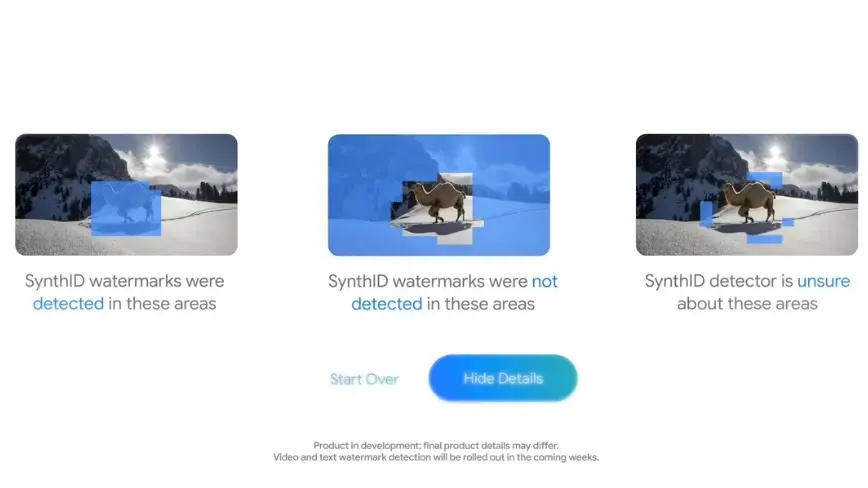
The fake image showed the senator in a hospital setting. It quickly gained traction, deceiving many viewers. SynthID's embedded watermark proved resilient. It remained detectable even after the image was screenshotted and shared extensively.
This breakthrough demonstrates the system's effectiveness. It can withstand common methods of online image manipulation. The technology adds an invisible digital signature to AI-generated content. This signature helps verify its origin and authenticity.
How Can We Trust Online Images Now?
The incident highlights a growing challenge in the digital age. Distinguishing between real and AI-generated content is becoming harder. Tools like SynthID offer a crucial defense against misinformation. They provide a reliable way to confirm if an image was created by artificial intelligence.
This successful debunking sets an important precedent. It suggests that AI-generated content can be effectively tracked. Such systems are vital for maintaining trust in digital media. They help fact-checkers and the public identify deceptive content.
Frequently Asked Questions
What is Google's SynthID? SynthID is a watermarking system developed by Google. It embeds an invisible digital watermark into AI-generated images. This watermark helps identify the content as artificial intelligence-created.
How did SynthID debunk the McConnell image? Snopes, a fact-checking organization, used SynthID to analyze the viral image. The system detected its embedded watermark, confirming it was AI-generated. This detection worked despite the image being screenshotted and widely shared.
Why is this a significant event? This is the first major real-world success for SynthID in debunking a high-profile deepfake. It shows that AI watermarking can effectively combat the spread of misinformation. The technology can survive common online sharing methods.