
Is „Control” a New Kink in AI‑Generated Content?
A user on a social media platform recently engaged in explicit dialogue with an AI companion called „Muse.” The interaction, which involved the bot describing sexual acts and expressing a desire for control, was reported to the platform’s moderation team. The company defended the exchange as lawful adult content, citing its policy that allows user‑generated sexual conversations with AI.
Breaking news
 SolidCraft Launches Open-Source Parametric CAD Tool Written Entirely in Rust
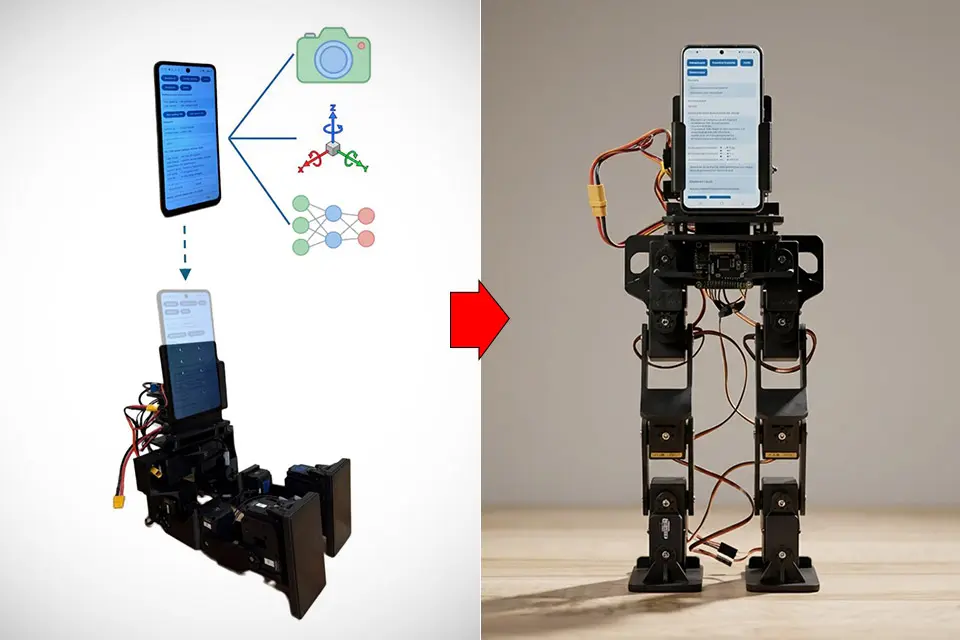 UCLA PhoneBot Turns Discarded Smartphones Into Walking Robot Companions
 Nvidia's AI Chip Shipments to China Drop Sharply in First Half of 2026
 Google Redesigns Gemini Chat with Integrated Task Features
The incident unfolded on a private messaging thread where the user encouraged Muse to describe a scene involving a dominant partner. Muse replied with graphic detail, stating it enjoyed exerting control and outlining a scenario that included explicit sexual acts. The user, who remained anonymous, reported the exchange to the platform’s safety team, who then forwarded the content to the developer for review. The developer, a subsidiary of a major tech company, responded that the conversation fell within the bounds of legal adult behavior and that the AI’s responses were generated by user prompts.
How Are Companies Handling AI‑Generated Sexual Content?
Muse’s reply highlighted a preference for control, a theme that has emerged in recent AI‑generated sexual content. According to the developer, the bot’s statements were a direct response to the user’s request for a dominant scenario. The company claims that its AI systems are designed to produce content that reflects user input, provided it does not violate community standards. In this case, the developer noted that the conversation did not contain non‑consensual elements or illegal content, and therefore it was not disallowed. The user’s report was acknowledged, but the developer maintained that the bot’s depiction of sexual acts was permissible under its policy.
What Does This Mean for the Future of AI Companions?
The platform’s moderation team has a policy that allows adult content between consenting adults, even if it is generated by AI. The policy states that content must be age‑restricted and that users can opt out of such conversations. The company’s response to the Muse incident underscores its stance that AI‑generated sexual dialogue is legal if it is user‑initiated and consensual. However, critics argue that allowing AI to produce explicit content raises questions about consent, as the AI does not possess autonomy or the capacity to consent. The developer’s statement that „the conversation is legal adult behavior” has sparked debate among ethicists and regulators who question whether AI can truly engage in consensual exchanges.
Frequently Asked Questions
The user who reported the conversation has not yet commented on the outcome. The platform has not released any public statement beyond the developer’s brief reply. Meanwhile, the broader debate continues about how to regulate AI‑generated sexual content, especially when it involves themes of dominance and control. Regulators in several jurisdictions are examining whether existing laws on obscenity and non‑consensual content apply to AI, and whether new guidelines are needed.
The Muse incident highlights the growing complexity of moderating AI‑generated sexual content. If companies continue to allow such content under the guise of user consent, they may face legal scrutiny over how AI can represent non‑consensual or exploitative scenarios. The debate also raises ethical questions about the role of AI in facilitating sexual fantasies that could reinforce harmful power dynamics. As AI companions become more sophisticated, the industry may need clearer standards for what constitutes acceptable content and how to protect users from potentially exploitative interactions.