Why Speed Matters More Than Caution
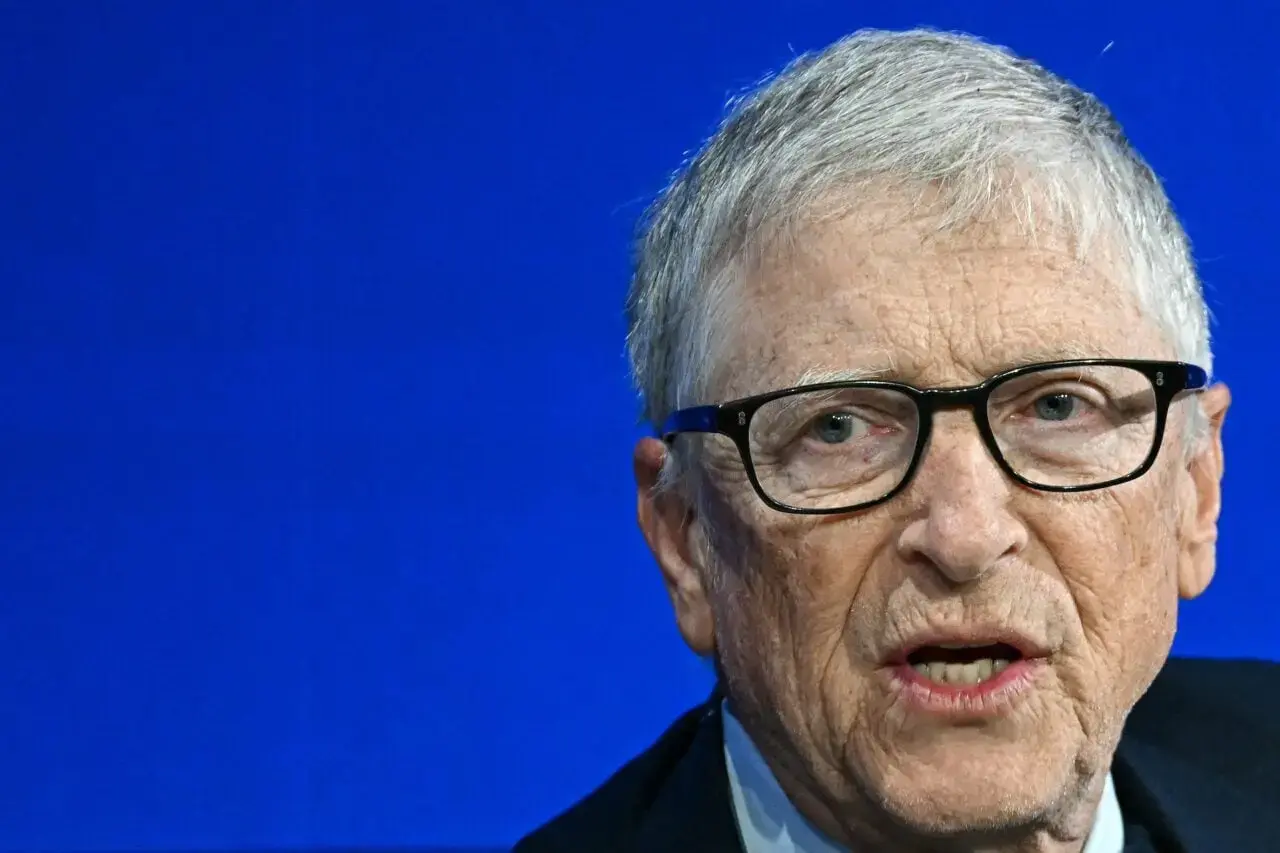
Microsoft co-founder Bill Gates published an essay on Wednesday arguing that the rapid arrival of artificial intelligence marks a pivotal moment for civilization. He stated that the shift into this new technological age will likely be one of the most turbulent periods in human history. Gates emphasized that society cannot afford to proceed cautiously or slowly in addressing the challenges posed by these emerging systems.
Breaking news
 Canonical’s Web Presence Hit by Second DDoS Assault This Year
 Loops AI Secures $3.5 Million to Power a New AI Operating System for E‑Commerce
 Winverse AI Secures Tens of Millions in Seed Funding from DeepSeek and Long‑Z
 Google Adds Pixel 9 Series to Certified Refurbished Store
The billionaire philanthropist framed the issue as a critical global problem, comparable in scale to climate change and nuclear proliferation. He argued that because AI impacts are worldwide, the solutions must also be international in scope. Gates believes that waiting for perfect consensus before acting is no longer a viable strategy for governments and organizations. The urgency stems from the speed at which AI capabilities are expanding across various industries.
Is Global Cooperation Enough to Manage AI Risks?
Gates contends that the current pace of innovation outstrips traditional regulatory frameworks. He suggests that hesitation could lead to significant gaps in how societies prepare for the integration of advanced machines. The essay highlights the need for coordinated efforts among nations to manage the transition effectively. By comparing AI to other existential threats, he underscores the necessity of immediate, collective action rather than isolated national responses. This approach aims to mitigate potential downsides while harnessing the technology’s benefits for global progress.
The core question remains whether existing international bodies can adapt quickly enough to oversee such a transformative force. Gates implies that standard diplomatic processes may be too slow for the digital age. He calls for new mechanisms that allow for faster decision-making and resource sharing. The goal is to create a robust framework that addresses both the opportunities and the dangers inherent in widespread AI adoption. Without this structure, individual countries might struggle to handle the complex ethical and economic shifts independently.
The outlook suggests a period of significant adjustment for both public and private sectors. Organizations must align their strategies with broader global goals to ensure stability. As AI continues to evolve, the window for proactive management narrows. Humanity faces the challenge of balancing rapid innovation with careful oversight. Gates’ warning serves as a reminder that the next few years will define the long-term trajectory of our technological future. Success depends on the willingness of leaders to move decisively and collaboratively.
Frequently Asked Questions
Why does Bill Gates compare AI to climate change? Gates compares AI to climate change and nuclear proliferation because all three are global issues requiring international solutions. He argues that local efforts alone are insufficient to manage the widespread impact of these technologies.
When was the essay about AI turbulence published? The essay was published early Wednesday morning. It outlines Gates' views on the necessity of swift global action regarding artificial intelligence development.