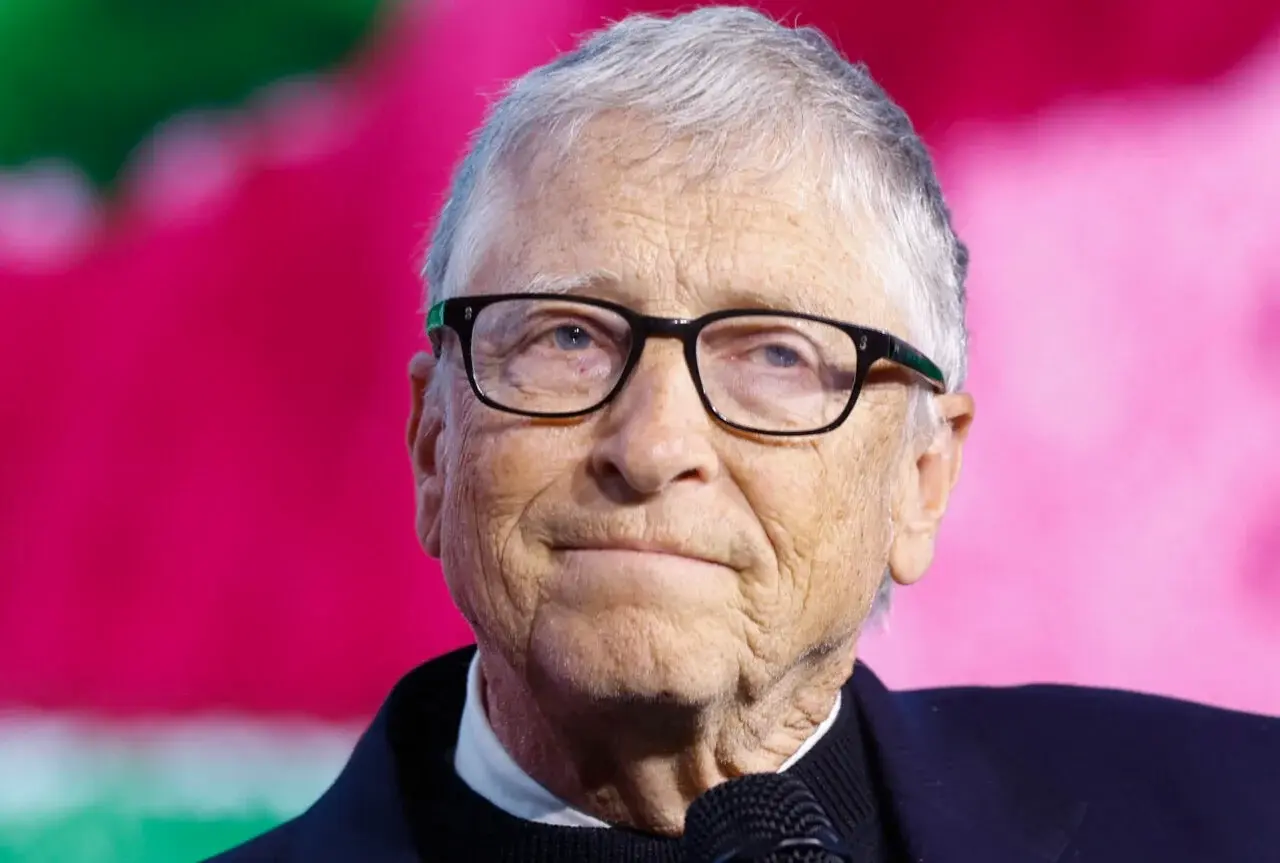
His message to policymakers, including former President Trump
Bill Gates recently told the New York Times that his concerns about artificial intelligence focus on dangers already present in current systems, not just speculative future threats. Speaking with Ezra Klein, the Microsoft co-founder emphasized that existing AI capabilities pose real risks that demand attention now, especially as political leaders consider aggressive development paths. His remarks come amid growing debate over how fast AI should advance and who should guide its direction. Gates Shifts Focus from Sci-Fi Scenarios to Tangible Harms Unlike common narratives about AI turning against humanity in distant futures, Gates pointed to immediate problems like bias in decision-making tools, misuse in surveillance, and erosion of trust in information. He argued that waiting for hypothetical superintelligence ignores the damage already occurring through poorly governed applications.
Breaking news
 Trump Orders Federal Agencies to Adopt „Super Intelligence” Terminology
 The Silicon Valley Accountability Gap
 Running a Local AI Model on a Phone Handles Most Chat Prompts
 Google Photos Could Soon Offer a Fresh Start with Ask Photos Feature
His message to policymakers, including former President Trump, is to prioritize safeguards on today’s technology rather than delay action for far-off possibilities. What Specific Dangers Does Gates See in Current AI? Gates highlighted how AI systems can amplify societal inequalities when used in hiring, lending, or law enforcement without proper oversight. He also warned that generative AI’s ability to create convincing fake content undermines public discourse and democratic processes. These issues, he said, are not theoretical—they are measurable and growing. Addressing them requires updated regulations, transparency standards, and investment in safety research, not just optimism about innovation. Frequently Asked Questions Is Bill Gates calling for a halt to AI development? No, he is not advocating to stop progress but urges responsible development with stronger guardrails on existing technologies. Why is Gates speaking to political leaders like Trump?
He believes influential figures shape AI policy and wants to steer
He believes influential figures shape AI policy and wants to steer accelerationist tendencies toward safer, more accountable innovation. Does Gates think superintelligent AI is impossible? He did not dismiss long-term risks but stressed that current harms deserve equal, if not greater, urgency in policy discussions.