Overcoming Testing Challenges
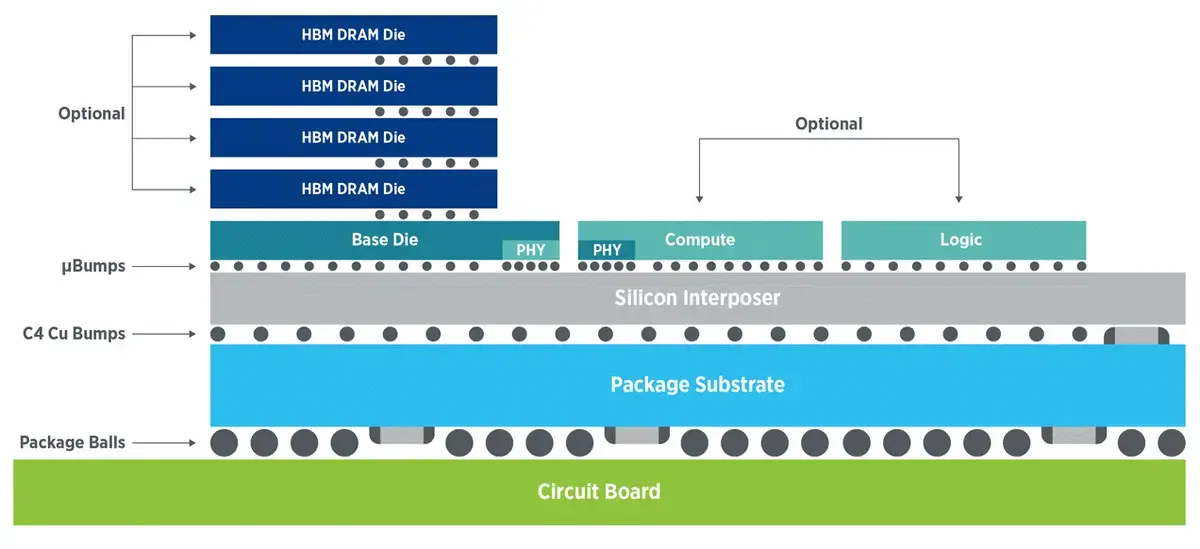
The growing complexity of multi-die assemblies is raising the stakes for testing and validation in the semiconductor industry. As AI accelerators become increasingly sophisticated, the need for robust testing and debugging capabilities is more pressing than ever.
Breaking news
 Canonical’s Web Presence Hit by Second DDoS Assault This Year
 Loops AI Secures $3.5 Million to Power a New AI Operating System for E‑Commerce
 Winverse AI Secures Tens of Millions in Seed Funding from DeepSeek and Long‑Z
 Google Adds Pixel 9 Series to Certified Refurbished Store
The integration of multiple dies into a single package is greatly increasing the number of potential failure points, making it more challenging to ensure that these complex systems function correctly. To address this issue, industry leaders are turning to innovative Design for Testability (DFT) solutions.
Can DFT Keep Pace with AI Complexity?
System-level testing is emerging as a critical component of the testing process, enabling the detection of marginal defects and rare errors such as silent data corruption. By catching these issues early, manufacturers can significantly improve yield and reduce the risk of downstream failures. A collaborative effort between Synopsys and TSMC has resulted in the development of a multi-die demo vehicle that showcases the potential of DFT innovations.
This demo vehicle is capable of full test, monitor, debug, and repair across the system's lifecycle, demonstrating the potential for significant improvements in yield and reliability. By integrating advanced I/O and lane repair capabilities, manufacturers can further enhance the robustness of their AI accelerators.
As AI accelerators continue to evolve, the demands on DFT solutions will only intensify. The ability to test and validate these complex systems will be crucial to their success. With the development of more sophisticated DFT solutions, the industry is well-positioned to meet the challenges posed by AI accelerators.
Frequently Asked Questions
The consequences of failing to address these testing challenges could be severe, with potential impacts on yield, reliability, and overall system performance. As the industry continues to push the boundaries of AI accelerator technology, the importance of DFT innovations will only continue to grow.
What is the main challenge facing AI accelerator testing? The main challenge is the increasing complexity of multi-die assemblies, which raises the number of potential failure points. How are industry leaders addressing this challenge? They are turning to innovative DFT solutions, including system-level testing and advanced I/O and lane repair capabilities. What is the potential benefit of these DFT innovations? They can significantly improve yield and reduce the risk of downstream failures, enabling the development of more reliable AI accelerators.