The central debate in computational creativity is
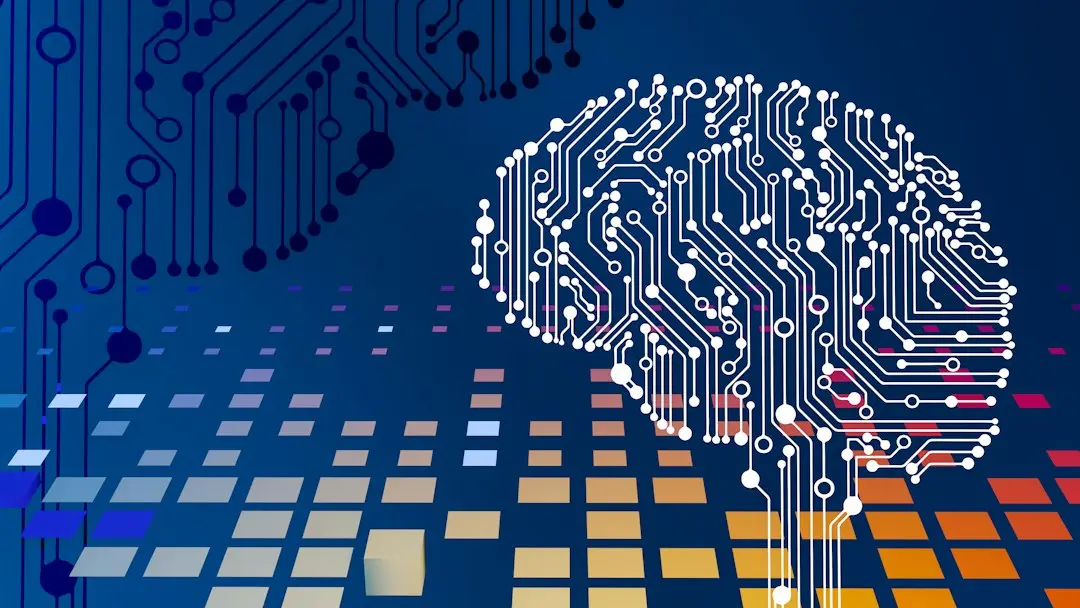
Artificial intelligence systems continue to expand into domains once thought exclusively human. This rapid technological evolution forces experts to reevaluate foundational concepts like creativity, unconscious cognition, and sudden insight. Researchers across multiple disciplines are currently debating whether a digital algorithm can ever achieve a genuine intuitive spark without relying on explicit logical deduction or conscious Dictionary definitions describe intuition as the sudden acquisition of knowledge without any need for conscious thought or explicit explanation. Human beings experience this phenomenon through gut feelings, inner sensing, and rapid pattern recognition rooted deep within the subconscious mind. Translating this complex psychological mechanism into lines of computer code remains one of the greatest challenges in modern computer science.
Breaking news
 Town AI Secures $108 Million Series B, Valued at $1 Billion After $55 M Pre‑Series
 Apple Prepares for Major Product Launch Event on October 28
 Apple Releases Release Candidates for watchOS, tvOS and visionOS 27.2
 Apple Limits iPhone Duo and iPhone 18 Pro Max to Reservation-Only Sales in Japan and South Korea
Defining the Boundaries of Machine Genius
The central debate in computational creativity is whether true originality can exist without lived experience. AI models process massive datasets at unprecedented speeds to generate outputs that mimic human art, writing, and problem-solving. Critics argue that these systems merely rearrange existing human knowledge rather than experiencing the sudden flashes of insight that define human intuition.
Future breakthroughs in technology will depend
Proponents of machine intelligence point out that human thought may also be heavily dependent on biological pattern matching. If the human brain relies on complex neural pathways to synthesize information unconsciously, advanced artificial neural networks might eventually replicate this exact process. The distinction between genuine understanding and sophisticated simulation becomes increasingly blurred as algorithms grow more autonomous.
Can Algorithms Truly Feel a Gut Reaction?
Future breakthroughs in technology will depend on whether scientists can decode the exact mechanics of human intuition. As machine learning models become more deeply integrated into daily life, society must decide how to value outputs generated without conscious intent. Ultimately, answering these deep philosophical questions will redefine our understanding of both human consciousness and machine capability.
