Why Human Trainers Matter More Than Ever
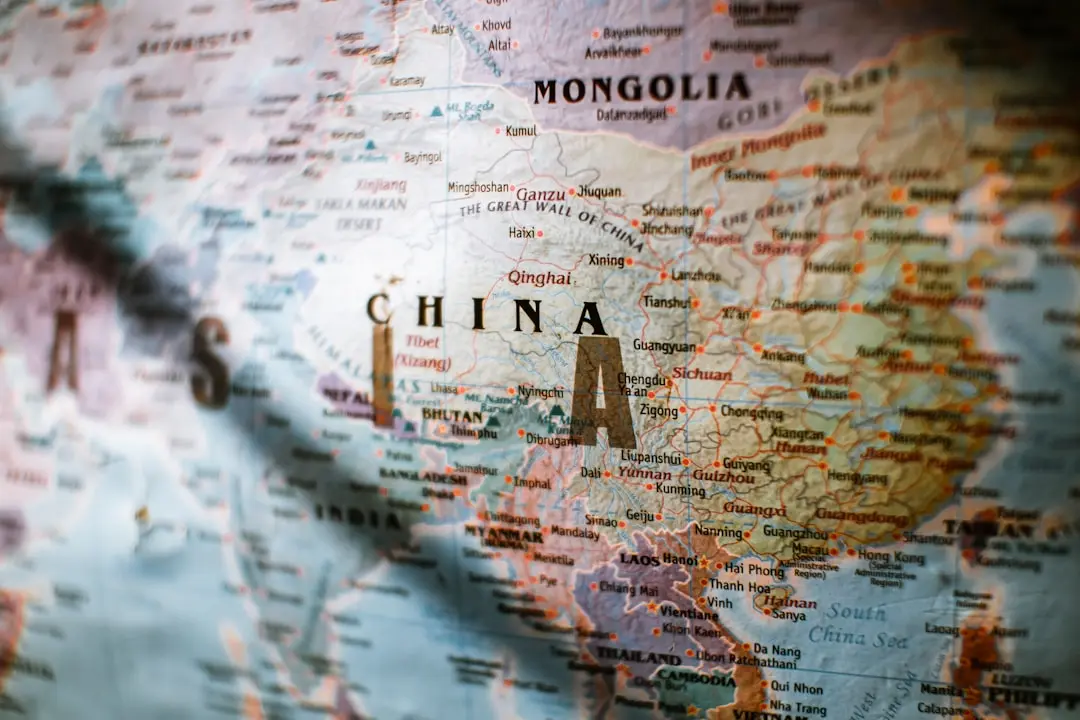
Beijing, September 10 — Major Chinese technology firms have begun hiring specialized AI trainers to create high‑quality training data for their generative models. The move mirrors similar hiring drives at U. S. companies such as Mercor, reflecting a global push to improve AI output through better data curation. Recruiters are targeting experts in linguistics, computer vision and domain‑specific knowledge to work on large‑scale datasets.
Breaking news
 Canonical’s Web Presence Hit by Second DDoS Assault This Year
 Loops AI Secures $3.5 Million to Power a New AI Operating System for E‑Commerce
 Winverse AI Secures Tens of Millions in Seed Funding from DeepSeek and Long‑Z
 Google Adds Pixel 9 Series to Certified Refurbished Store
The new roles focus on annotating, cleaning and refining data that feeds large language and image models. Companies say the scarcity of reliable, bias‑free data hampers model performance, prompting a shift from automated scraping to human‑in‑the‑loop processes. By employing professionals with subject‑matter expertise, firms hope to reduce hallucinations, improve factual accuracy and meet stricter regulatory expectations. The hiring wave follows recent government guidelines urging responsible AI development and comes as Chinese platforms race to match Western counterparts in generative AI capabilities.
Industry insiders explain that raw internet data often contains errors, outdated information and cultural biases. „A human eye can spot subtle inconsistencies that algorithms miss,” said a senior data scientist at a leading Chinese cloud provider, who asked to remain anonymous. The AI trainer role blends technical skill with editorial judgment, requiring workers to verify facts, label nuanced sentiment and flag potentially harmful content. Companies are offering competitive salaries and upskilling programs to attract talent from academia and the private sector. Early pilots suggest that models trained on curated datasets produce more coherent responses and fewer inappropriate outputs, a critical factor as regulators tighten oversight.
Will This Hiring Surge Close the Gap With U. S. AI Leaders?
Analysts question whether the influx of AI trainers can fully close the performance gap between Chinese and U. S. models. While better data can narrow differences, hardware capacity, research funding and algorithmic breakthroughs also play pivotal roles. Nonetheless, the focus on data quality signals a strategic pivot: rather than solely scaling model size, firms are investing in the „knowledge layer” that underpins reliable AI. If the trend continues, Chinese platforms may deliver products that are both competitive and compliant with emerging standards, reshaping the global AI landscape.
The hiring push underscores a broader industry realization that data quality is as crucial as compute power. As more specialists join the AI pipeline, expectations rise for safer, more accurate generative tools. The next few years will reveal whether this human‑centric approach can deliver the promised improvements and keep Chinese AI firms on par with their Western rivals.
Frequently Asked Questions
What exactly do AI trainers do? They annotate, verify and refine raw data, ensuring it is accurate, unbiased and suitable for training large models.
Why are Chinese companies emphasizing human trainers now? Regulatory pressure and competition with U. S. firms have highlighted the limits of automated data collection, prompting a shift toward curated, high‑quality datasets.
Will this hiring trend affect AI product pricing? Higher labor costs could raise development expenses, but improved model performance may offset costs by reducing errors and compliance penalties.

