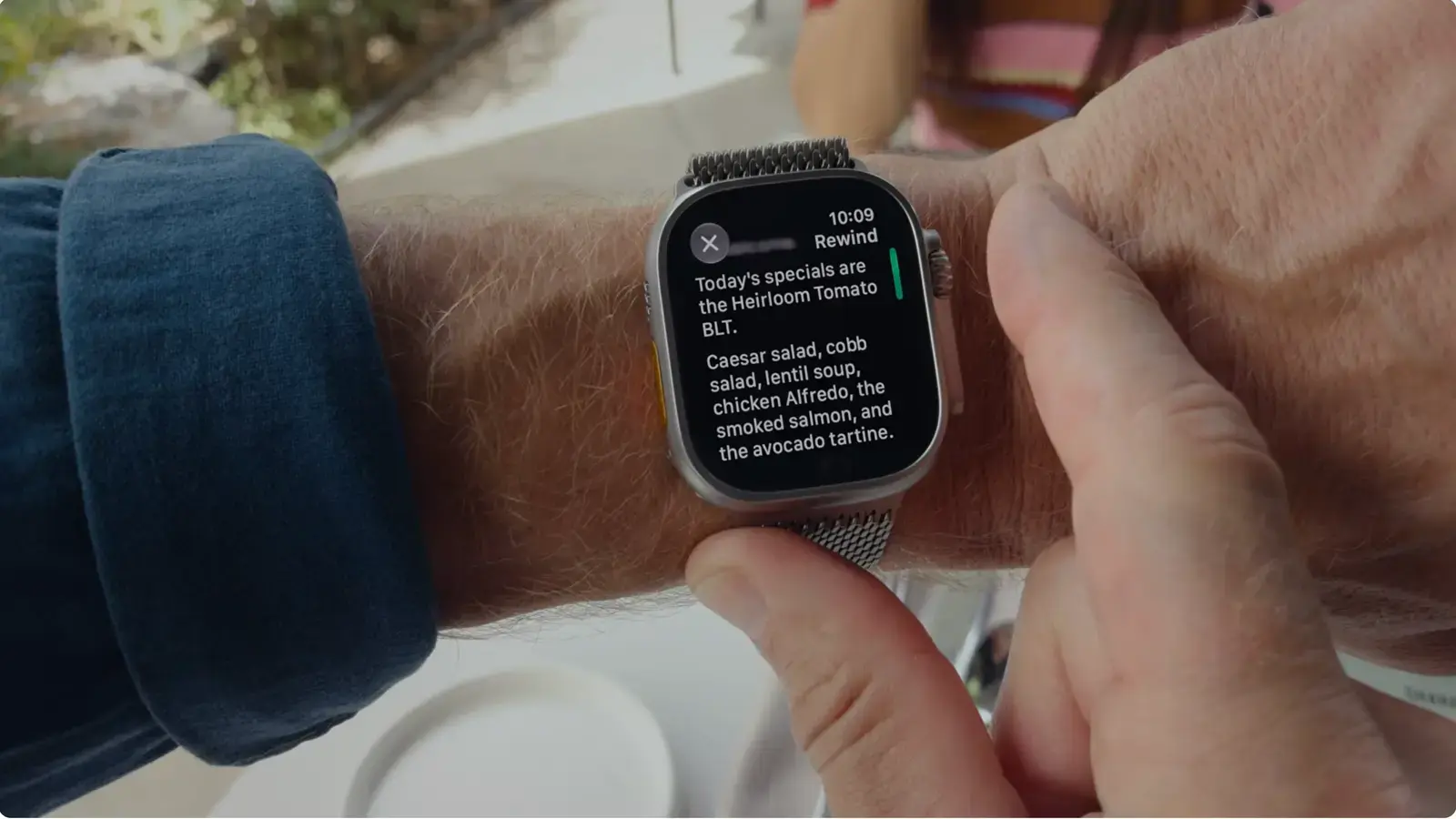
How Audio Memory Shapes Future Wearables
Apple has introduced new memory tools within its audio intelligence features, signaling a strategic shift toward more personalized AI experiences in wearable technology. These tools allow devices to better understand and retain context from user interactions, particularly in audio-based environments. The move reflects Apple’s broader effort to integrate artificial intelligence seamlessly into everyday accessories, with an eye toward future innovations like smart glasses.
Breaking news
 Canonical’s Web Presence Hit by Second DDoS Assault This Year
 Loops AI Secures $3.5 Million to Power a New AI Operating System for E‑Commerce
 Winverse AI Secures Tens of Millions in Seed Funding from DeepSeek and Long‑Z
 Google Adds Pixel 9 Series to Certified Refurbished Store
The development underscores how tech companies are advancing beyond basic voice assistants toward systems that learn from continuous, real-world input. By enhancing how devices remember conversations, preferences, and routines, Apple aims to create more intuitive and anticipatory user experiences. This approach relies on on-device processing to maintain privacy while improving responsiveness, a balance that could define the next generation of AI wearables.
What Role Will Glasses Play in This Evolution?
Apple’s audio intelligence isn’t just about recognizing speech—it’s about building a persistent awareness of user behavior over time. By storing and analyzing snippets of audio context locally, devices can adapt to individual habits without relying heavily on cloud computation. This capability could allow future wearables to prompt users with relevant information based on past interactions, such as reminding someone of a conversation topic or suggesting actions tied to recurring routines. Experts note that this level of contextual awareness is a critical step toward ambient computing, where technology fades into the background while remaining highly attuned to user needs.
Industry analysts speculate that Apple’s advancements in audio and memory-driven AI are laying the groundwork for augmented reality glasses. Such devices would depend heavily on real-time audio processing and contextual memory to deliver useful, unobtrusive assistance. If glasses can understand not just what a user says, but also the circumstances surrounding their words, they could offer timely, relevant support without constant user input. This progression suggests that Apple’s current audio features may be early prototypes of a more immersive, always-aware ecosystem.
How does Apple’s audio intelligence improve user experience? It enables devices to remember context from past interactions, allowing for more personalized and anticipatory responses based on user habits and routines.
Frequently Asked Questions
Why is on-device processing important for these features? On-device processing helps protect user privacy by keeping sensitive audio data local, while still enabling fast and responsive AI functionality.
Could these audio tools lead to Apple smart glasses? Yes, experts believe the advancements in contextual audio and memory are foundational steps toward developing augmented reality glasses that understand and respond to real-world situations intelligently.

