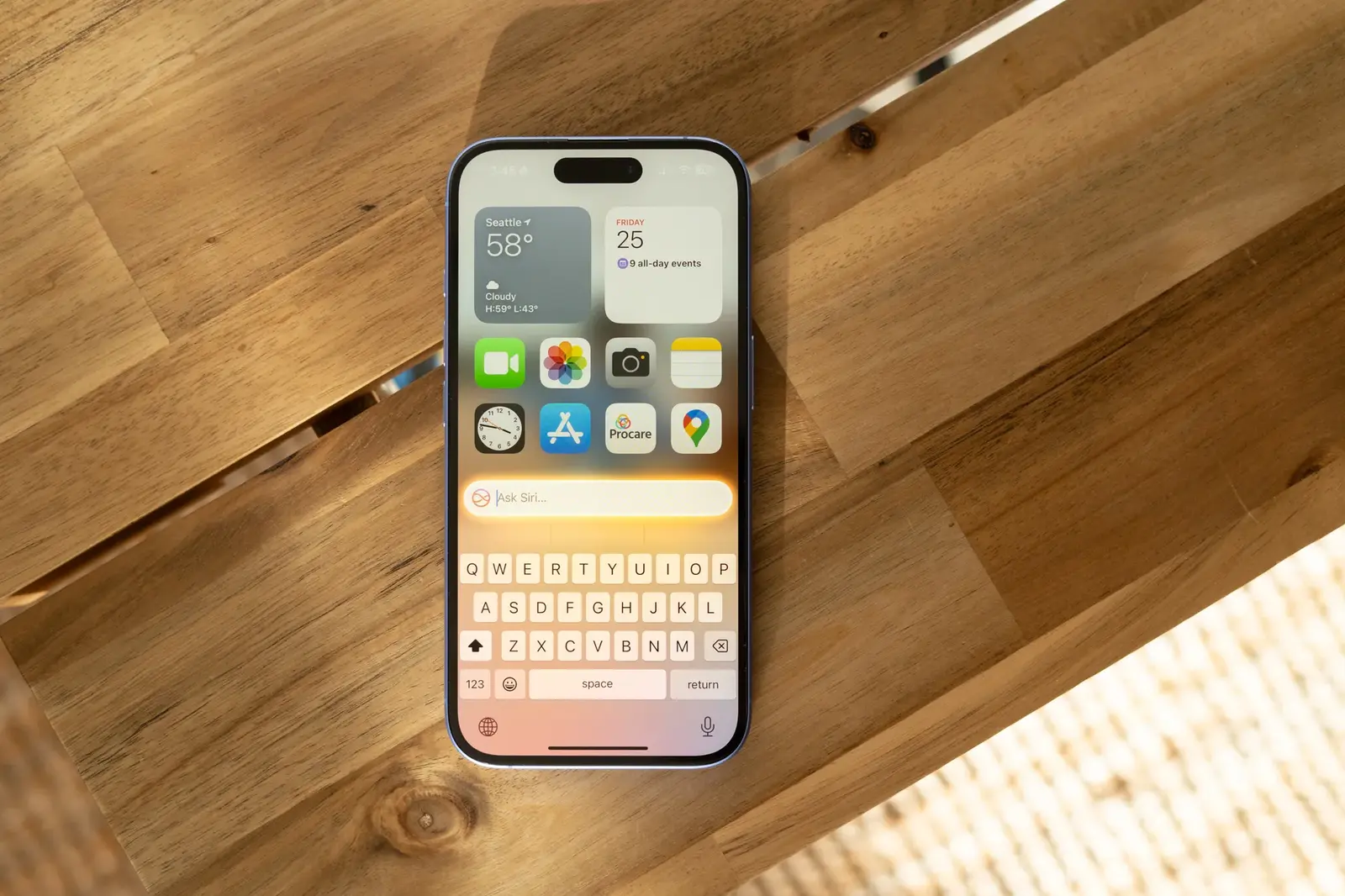
How Apple Intelligence Enhances Everyday Use in China
Apple announced that its new Apple Intelligence suite will debut in China as part of the iOS 27.3 beta, scheduled to become available on November 4. A full public release of iOS 27.3 is slated for December, marking the first time the AI‑driven features will be officially supported on Chinese i Phones.
Breaking news
 Tesla rolls out FSD v15 with major safety upgrade
 Open-Source Tools Challenge AI-Powered Development Platforms
 AI Infrastructure Bottlenecks: Why Release Pipelines Hold Back Fast Clusters
 Why Apple Vision Pro Never Took Off Like Meta's VR Headsets
The rollout follows months of speculation that Apple would delay its AI push in mainland China due to regulatory hurdles and local competition. By integrating Apple Intelligence into the upcoming iOS version, the company aims to bring on‑device machine learning tools—such as advanced photo editing, contextual suggestions, and voice‑activated shortcuts—to Chinese users. Apple’s Chinese newsroom confirmed the timeline, and industry observers expect the beta to be limited to developers before expanding to the broader market.
Apple Intelligence leverages a combination of on‑device neural processing and cloud‑based models to deliver real‑time assistance without compromising user privacy. In practice, the feature can suggest photo enhancements based on lighting conditions, auto‑complete text messages with contextual relevance, and provide personalized Siri responses that adapt to local dialects. Apple’s engineering team has reportedly fine‑tuned the models to comply with China’s data‑security regulations, ensuring that personal data remains within the device unless users opt‑in to cloud services. Analysts believe this approach could give Apple a competitive edge against domestic rivals that rely heavily on server‑side AI.
Will Apple Intelligence Face Regulatory Scrutiny in China?
Regulators in China have tightened oversight of AI applications, especially those that process personal data. Apple’s decision to launch the technology through an iOS beta suggests a cautious rollout, allowing the company to gather feedback and address compliance issues before the December release. Industry insiders note that Apple has previously adjusted features—such as limiting certain Siri capabilities—to meet local standards. If the beta proceeds smoothly, Apple may use the data to refine its AI models, potentially expanding functionality in future updates while staying within the legal framework.
The introduction of Apple Intelligence could reshape how Chinese consumers interact with their devices, offering a more seamless and personalized experience. It also signals Apple’s commitment to the Chinese market despite geopolitical tensions. As the beta period unfolds, developers and users will test the limits of the new AI tools, setting the stage for broader adoption later this year.
Frequently Asked Questions
When can Chinese users expect the full Apple Intelligence experience? The beta begins on November 4, with a complete iOS 27.3 release—including Apple Intelligence—planned for December.
Will Apple Intelligence work offline on Chinese i Phones? Core features run on‑device, allowing basic AI functions without an internet connection; advanced capabilities may still require cloud access if users enable it.
How does Apple ensure privacy with its new AI tools in China? Apple emphasizes on‑device processing and gives users control over data sharing, aligning with local data‑protection rules while minimizing cloud reliance.