Broadening the Horizon for Smart Assistants
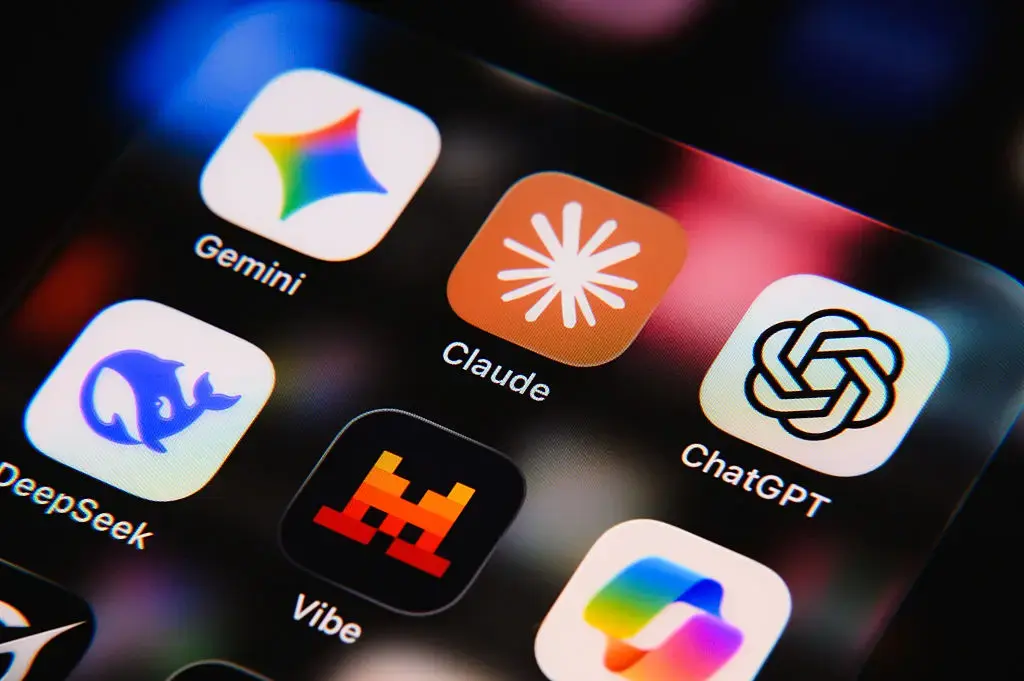
Google Home is significantly updating its smart home platform to support diverse artificial intelligence models. Users can now integrate advanced AI agents like Claude and OpenClaw directly into their home automation routines. This shift marks a major departure from the company’s previous reliance on its own proprietary voice assistant software.
Breaking news
 Canonical’s Web Presence Hit by Second DDoS Assault This Year
 Loops AI Secures $3.5 Million to Power a New AI Operating System for E‑Commerce
 Winverse AI Secures Tens of Millions in Seed Funding from DeepSeek and Long‑Z
 Google Adds Pixel 9 Series to Certified Refurbished Store
The update provides users with more flexibility in how they manage connected devices. By allowing third-party AI agents to operate within the Google Home environment, the company aims to improve natural language processing and task execution. This move signals a broader industry trend toward interoperability among competing AI developers and smart home hardware manufacturers.
Integrating external AI models allows for more complex interactions within the home. These agents can handle nuanced requests that traditional voice assistants might struggle to interpret. Users gain the ability to select the specific intelligence model that best fits their daily needs or technical preferences.
Will This Change How We Control Our Homes?
This transition relies on updated developer tools designed to bridge the gap between Google’s infrastructure and external AI services. By opening its ecosystem, Google is positioning its hardware as a central hub for various AI technologies. The strategy focuses on utility, ensuring that smart devices remain relevant as AI capabilities evolve rapidly.
The integration of advanced models like Claude suggests a future where smart homes are more conversational and proactive. Instead of rigid commands, users may soon experience intuitive assistance that learns from diverse AI inputs. This shift could redefine the standard for home automation, moving beyond simple timers and light switches.
Frequently Asked Questions
However, the success of this initiative depends on how well these third-party agents integrate with existing security and privacy protocols. As more models enter the ecosystem, maintaining consistent user experience and data protection will remain a primary challenge for Google. The long-term outlook suggests a more fragmented yet powerful landscape for consumers.
Can I use multiple AI models at the same time? The current update focuses on allowing users to choose and invoke specific agents for their smart home tasks. You can switch between supported models to find the best tool for your specific requirements.
Does this update affect my existing smart home devices? Your current hardware remains compatible with the Google Home platform. The new integration simply expands the software options available to control those devices through your preferred AI interface.

