How local processing changes smart home performance
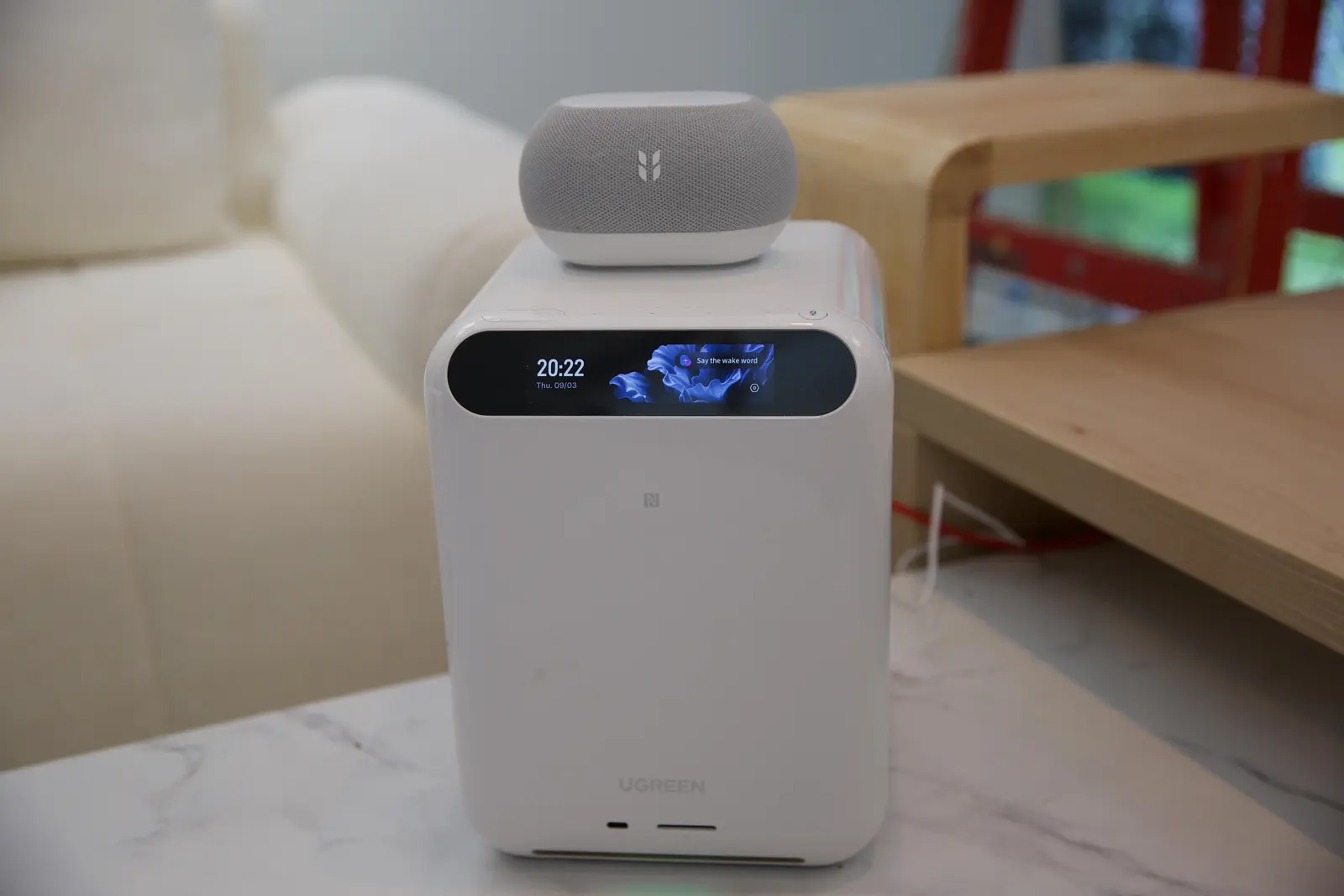
Ugreen, a company recognized for its mobile charging accessories and network-attached storage devices, is broadening its product strategy to include local smart home management. The move leverages its existing NAS technology to serve as a central hub for connected home devices, aiming to provide users with greater control and data privacy by processing information locally rather than relying on cloud services. This shift reflects a growing consumer preference for on-premise solutions that reduce dependency on third-party platforms.
Breaking news
 Otter.ai Secures $320M to Scale Enterprise AI Meeting Tools
 Asymptote Labs Raises $5.5M to Monitor AI Agent Behavior
 Waymo Accelerates Robotaxi Expansion to Reach 20,000 Vehicles by 2027
 OpenAI Quietly Drops Push for China Chip Export Controls
The company plans to enhance its NAS units with built-in smart home controllers capable of managing lighting, security cameras, climate systems, and voice assistants through local network protocols. By integrating these functions directly into storage hardware, Ugreen seeks to eliminate latency and improve reliability compared to cloud-dependent alternatives. The approach also strengthens data security, as sensitive home automation data remains within the user’s premises. Early adopters have reported faster response times and improved system stability during testing phases.
Can a NAS truly replace dedicated smart home hubs?
Running smart home operations on a NAS device allows for real-time automation without internet reliance. For example, motion-triggered lights or door locks can respond instantly even during network outages. Ugreen emphasizes that its system supports popular standards like Matter and Zigbee, ensuring compatibility with a wide range of third-party devices. Users can configure routines through a unified interface that consolidates storage management and home control in one dashboard.
While traditional hubs like Samsung SmartThings or Hubitat focus exclusively on automation, Ugreen’s dual-function device offers added value by combining storage, media serving, and home control. This consolidation may appeal to tech-savvy users seeking to minimize hardware clutter. However, critics note that NAS systems typically consume more power than low-energy hubs and may require more technical setup. Ugreen addresses this by simplifying its mobile app and providing guided setup wizards for non-experts.
What advantages does local processing offer over cloud-based smart home systems? Local processing reduces latency, enhances privacy by keeping data on-site, and ensures continued operation during internet disruptions. It also eliminates recurring subscription fees associated with some cloud platforms.
Frequently Asked Questions
Is Ugreen’s smart home NAS compatible with existing devices like Alexa or Google Home? Yes, the system supports voice assistant integration through local APIs, allowing users to control lights, locks, and thermostats via Alexa or Google Assistant without sending voice data to external servers.
Do users need technical expertise to set up and manage the system? Ugreen has designed the interface to be accessible, with step-by-step setup guides and automated device discovery. While advanced customization options exist for experienced users, basic functions can be managed through intuitive mobile and web applications.